
Close Menu
  • Home
  • Education
  • Health
  • National News
  • Politics
  • Relationship & Wellness
  • World News
What's Hot

Dalal Street watch: What to expect on Monday as Trump raises tariffs to 15% – The Times of India

February 22, 2026

‘You perform and we will be quiet’: Shahid Afridi’s advice to Shadab Khan over beating India in World Cup comment

February 22, 2026

'Gandi aur nangi rajneeti': PM Modi blasts Congress after youth wing's 'shirtless' protest at AI Summit | India News – The Times of India

February 22, 2026
Facebook X (Twitter) Instagram
Global News Bulletin
SUBSCRIBE
  • Home
  • Education
  • Health
  • National News
  • Politics
  • Relationship & Wellness
  • World News
Global News Bulletin
Home»Business»2,000 years ago, people in Vietnam used iron to permanently blacken their teeth | World News – The Times of India
Business

2,000 years ago, people in Vietnam used iron to permanently blacken their teeth | World News – The Times of India

editorialBy editorialFebruary 22, 2026No Comments3 Mins Read
Facebook Twitter Pinterest LinkedIn Tumblr Email Telegram Copy Link
2,000 years ago, people in Vietnam used iron to permanently blacken their teeth | World News – The Times of India
Share
Facebook Twitter LinkedIn Pinterest Email Copy Link
2,000 years ago, people in Vietnam used iron to permanently blacken their teeth
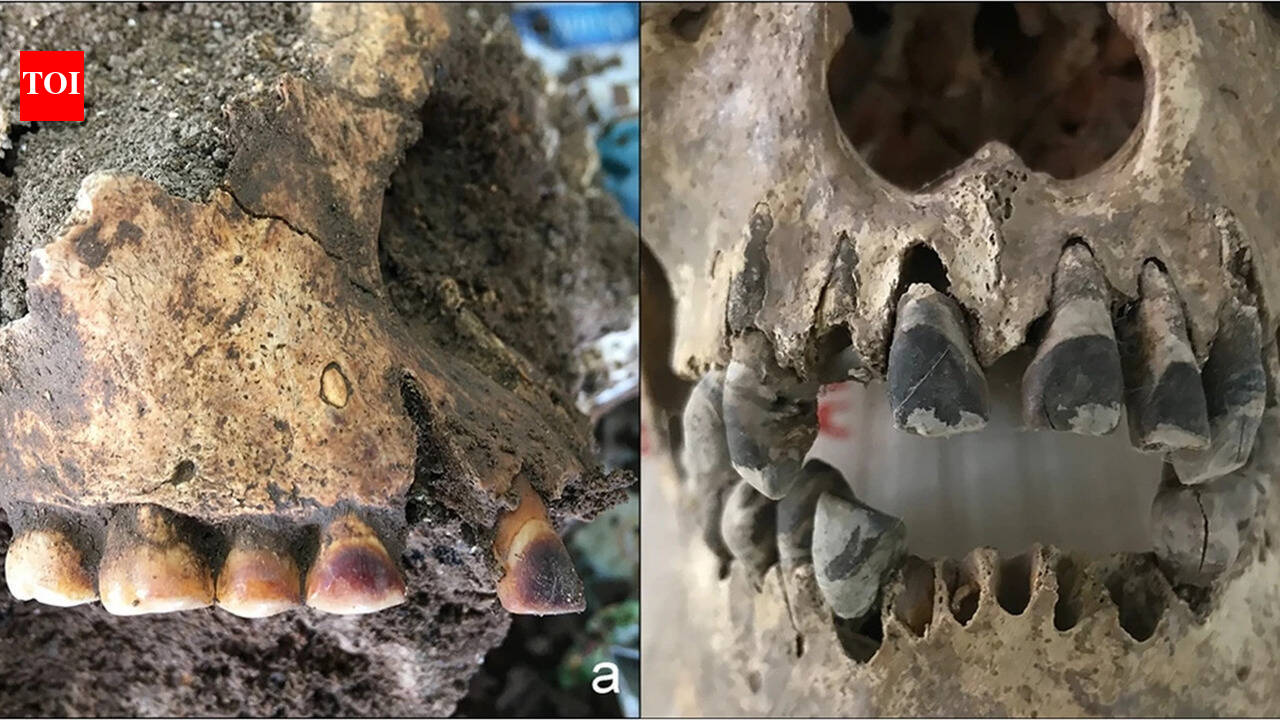
2,000 years ago, people in Vietnam used iron to permanently blacken their teeth (Image Source – Springer Nature)

Archaeologists working in northern Vietnam have found chemical evidence that people were permanently blackening their teeth around 2,000 years ago. The study focused on human remains from the Dong Xa site, dated to the Iron Age and linked to the wider Dong Son cultural sphere. By analysing the surface of ancient enamel, researchers identified traces of iron compounds consistent with deliberate cosmetic treatment rather than natural staining. The results offer the first clear scientific confirmation that tooth blackening was already established in Vietnam two millennia ago. The findings also suggest that the technique relied on iron salts, likely mixed with plant materials rich in tannins, to create a deep, glossy black surface that altered the appearance of the teeth.

Study confirms tooth blackening was practiced in Vietnam 2,000 years ago

The research team used microscopic and chemical methods to examine enamel from several skulls. Most of the mineral content matched normal tooth composition, including calcium and phosphorus. What stood out was the repeated presence of iron and sulphur in the outer enamel layers.Iron oxide was detected at levels unlikely to be caused by soil contamination. The pattern was consistent across samples, strengthening the case for intentional treatment. One fragmentary specimen showed weaker signals, but this was thought to be due to preservation issues rather than a different practice.Taken together, the data indicate that iron-based mixtures were applied to teeth in a controlled way. The likely addition of tannin-rich plant substances would have helped fix the colour and produce the distinctive black sheen recorded in later historical accounts.

Historical records link practice to early Vietnamese societies

Written sources from Chinese dynastic histories mention communities in what is now Vietnam whose people blackened their teeth. References date back to the Eastern Han period. Later texts describe the custom as a clear marker of regional identity.Archaeological finds from later centuries also include burials with blackened teeth. The new chemical evidence from Dong Xa bridges the gap between texts and material remains, suggesting continuity of the practice from the Iron Age onwards.The timing coincides with broader changes in northern Vietnam. Around 2,500 to 2,000 years ago, ironworking became widespread. Exchange networks with southern China expanded, and social structures grew more complex. Tooth blackening may have developed within this shifting landscape of identity and contact.
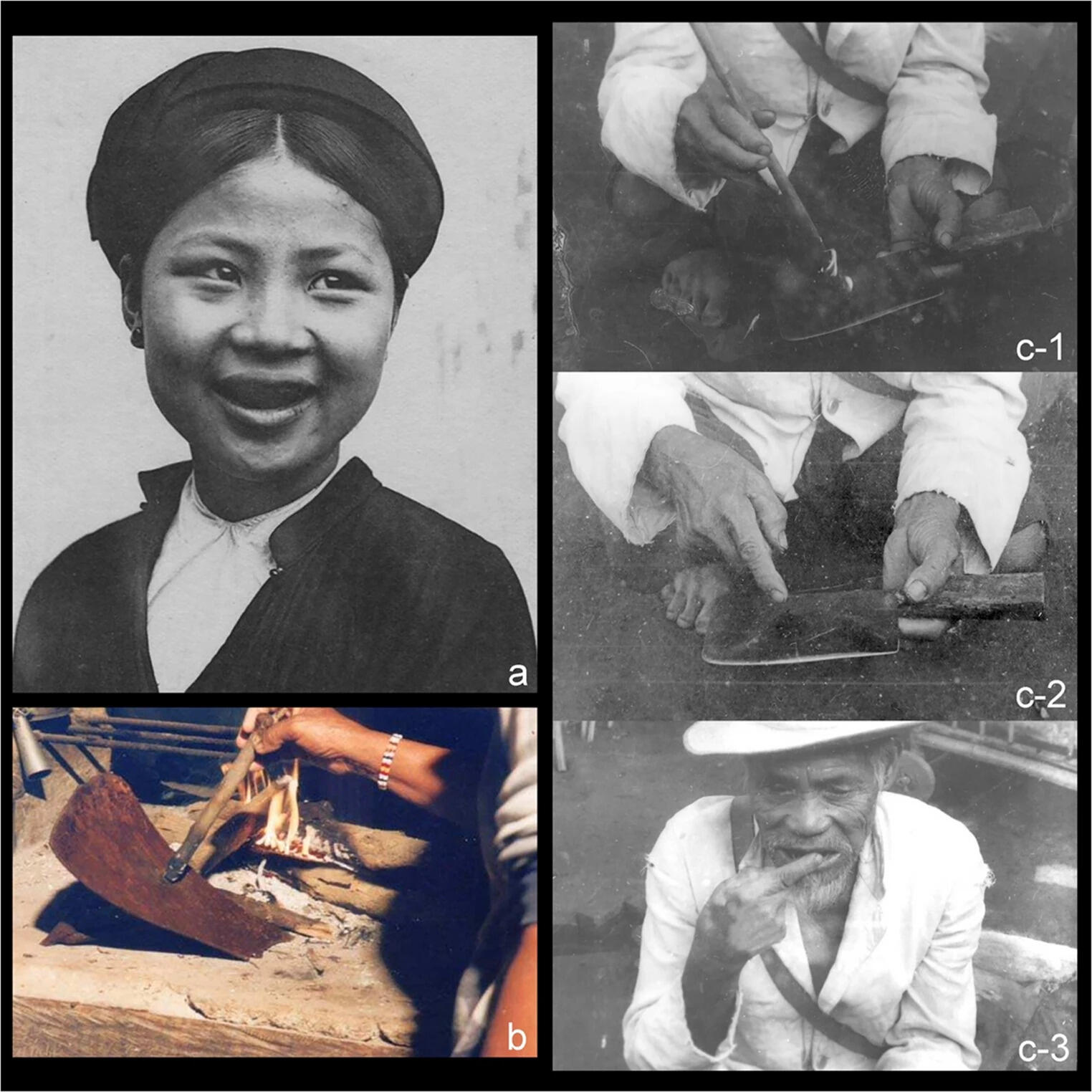
Study confirms tooth blackening was practiced in Vietnam 2,000 years ago (Image Source - Springer Nature)

Study confirms tooth blackening was practiced in Vietnam 2,000 years ago (Image Source – Springer Nature)

Tooth blackening expressed identity and cultural boundaries

Ethnographic accounts from the nineteenth and early twentieth centuries describe tooth blackening as common across many Vietnamese communities. It was associated with maturity, beauty and belonging. In some traditions, blackened teeth distinguished humans from spirits or outsiders.The Vietnamese method appears to have been particularly elaborate, involving preparation of the teeth and application of layered pastes. This differs from incidental staining caused by chewing betel or other plants.The Dong Xa findings show that this aesthetic choice has deep roots. What might appear unusual by modern standards was, for centuries, an embedded expression of identity. The enamel still carries the trace.

Follow on Google News Follow on Flipboard
Share. Facebook Twitter Pinterest LinkedIn Tumblr Email
Previous ArticleFor Pakistan, more friends abroad, more fires at home. For New Delhi, a problem. Here’s why
Next Article Kennedy movie review: Anurag Kashyap’s fury-fuelled noir drowns in its own darkness
editorial
  • Website

Related Posts

Dalal Street watch: What to expect on Monday as Trump raises tariffs to 15% – The Times of India

February 22, 2026

'Gandi aur nangi rajneeti': PM Modi blasts Congress after youth wing's 'shirtless' protest at AI Summit | India News – The Times of India

February 22, 2026

'Dangerous tactic': Former India cricketer questions Suryakumar Yadav's slow scoring rate in T20 World Cup | Cricket News – The Times of India

February 22, 2026

RBI’s new data centre far from seismic risks and cross-border threats — where is it? – The Times of India

February 22, 2026

Ex-CIA agent claims US has decided on imminent strike against Iran – The Times of India

February 22, 2026

'Abki baar Trump se haar': Congress targets Centre over Trump tariffs; slams India-US trade deal | India News – The Times of India

February 22, 2026
Add A Comment
Leave A Reply Cancel Reply

Economy News

Dalal Street watch: What to expect on Monday as Trump raises tariffs to 15% – The Times of India

By editorialFebruary 22, 2026

Dalal Street is poised to open Monday amid fresh uncertainity after US President Donald Trump…

‘You perform and we will be quiet’: Shahid Afridi’s advice to Shadab Khan over beating India in World Cup comment

February 22, 2026

'Gandi aur nangi rajneeti': PM Modi blasts Congress after youth wing's 'shirtless' protest at AI Summit | India News – The Times of India

February 22, 2026
Top Trending

Dalal Street watch: What to expect on Monday as Trump raises tariffs to 15% – The Times of India

By editorialFebruary 22, 2026

Dalal Street is poised to open Monday amid fresh uncertainity after US…

‘You perform and we will be quiet’: Shahid Afridi’s advice to Shadab Khan over beating India in World Cup comment

By editorialFebruary 22, 2026

3 min readFeb 20, 2026 03:41 PM IST Former Pakistan captain Shahid…

'Gandi aur nangi rajneeti': PM Modi blasts Congress after youth wing's 'shirtless' protest at AI Summit | India News – The Times of India

By editorialFebruary 22, 2026

PM Modi NEW DELHI: Prime Minister Narendra Modi on Sunday joined the…

Subscribe to News

Get the latest sports news from NewsSite about world, sports and politics.

Facebook X (Twitter) Pinterest Vimeo WhatsApp TikTok Instagram

News

  • Education
  • Health
  • National News
  • Relationship & Wellness
  • World News
  • Politics

Company

  • Information
  • Advertising
  • Classified Ads
  • Contact Info
  • Do Not Sell Data
  • GDPR Policy
  • Media Kits

Services

  • Subscriptions
  • Customer Support
  • Bulk Packages
  • Newsletters
  • Sponsored News
  • Work With Us

Subscribe to Updates

Get the latest creative news from FooBar about art, design and business.

© Copyright Global News Bulletin.
  • Privacy Policy
  • Terms
  • Accessibility
  • Website Developed by Digital Strikers

Type above and press Enter to search. Press Esc to cancel.