

3 min readMar 5, 2026 08:41 PM IST
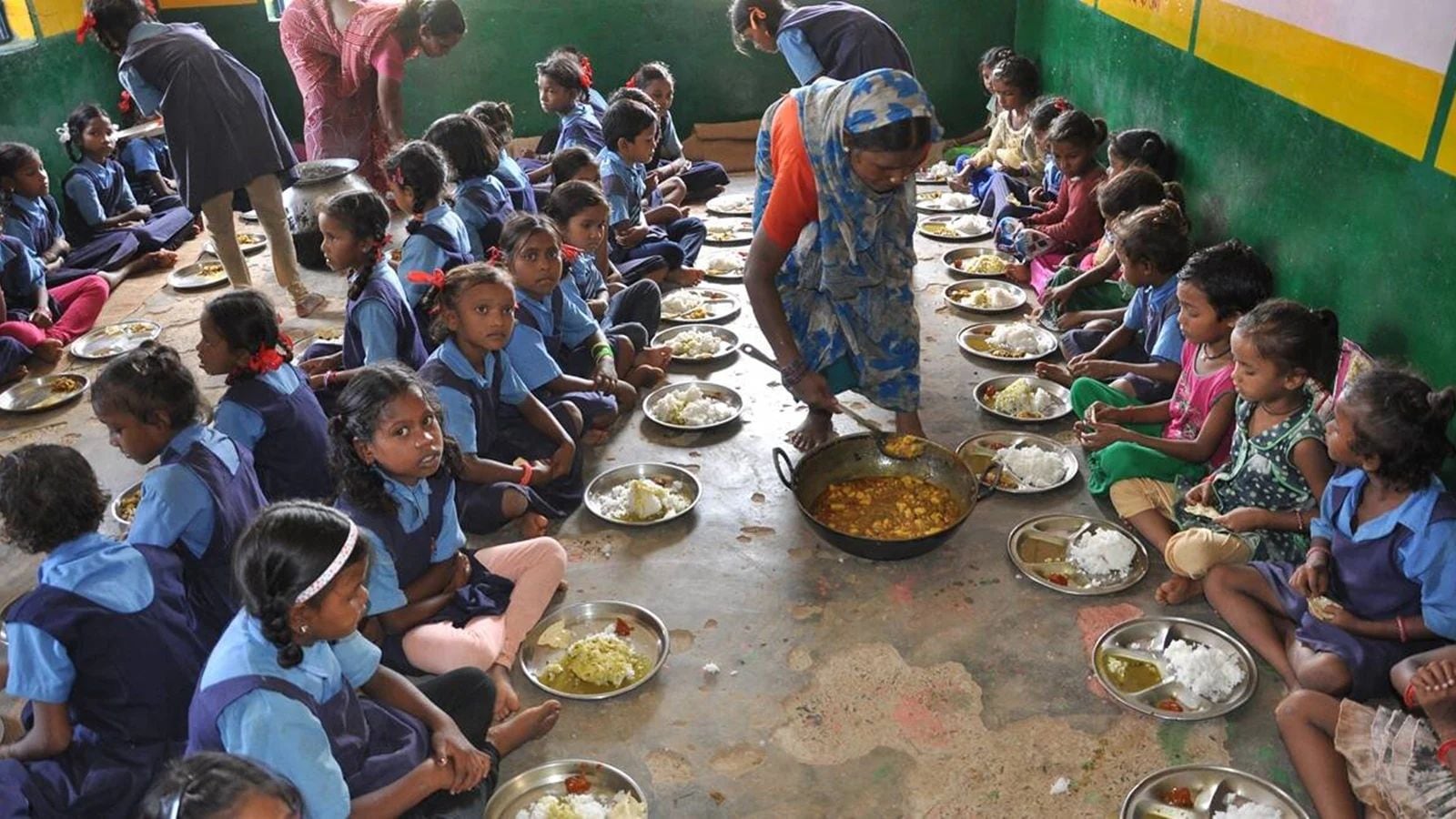
As many as 4,325 schools across Maharashtra — about five per cent of the total — will undergo a social audit of the midday meal scheme under the Pradhan Mantri Poshan Shakti Nirman programme, according to a Government Resolution issued on March 2. The audit will cover five per cent of schools in each district, and the state government has approved a budget of Rs 2.42 crore for the exercise.
Social audits are an integral component of the midday meal scheme under the Planning Commission’s 12th Five-Year Plan. Guidelines issued in 2014 by the then Union Human Resource Development Ministry describe social audit as a democratic process that ensures public accountability of implementing agencies through community participation in programmes that have already been carried out. Earlier, a social audit of the scheme was conducted by the Indian Institute of Education, Pune.

The audit will be conducted by the Maharashtra State Society for Social Audit and Transparency, Mumbai. In each district, one taluka will be selected where the audit will cover schools equivalent to five per cent of the district’s total. While selecting the taluka, authorities have been asked to ensure representation from rural, urban, semi-urban and tribal areas.
Various agencies will be required to provide documents for the audit, including the Midday Meal Cell at the Directorate of Primary Education in Pune, the respective Zila Parishads and the concerned schools.
Before the audit begins, taluka-level meetings will be held with headmasters of the selected schools, Block Education Officers, supervisors of the midday meal scheme, Panchayat Samiti officials and other implementing authorities.
The first stage of the audit will involve meetings between state-level authorities, social auditors and scheme officials. The second stage will include community-level verification of the scheme, examining the regular supply of meals to students, the quality and quantity of food, nutritional value of meals, availability of kitchen facilities, food grain storage and related aspects. School-level meetings of parents and implementing agencies will also be held during this stage.
Public hearings
The social audit process will also include public hearings open to all citizens. These will be held at the taluka or cluster level and attended by state-level implementing agencies and district-level representatives of the midday meal scheme.
Story continues below this ad
Participants will be encouraged to present their views, and the relevant authorities will be expected to respond with explanations on why certain actions were or were not taken.
