

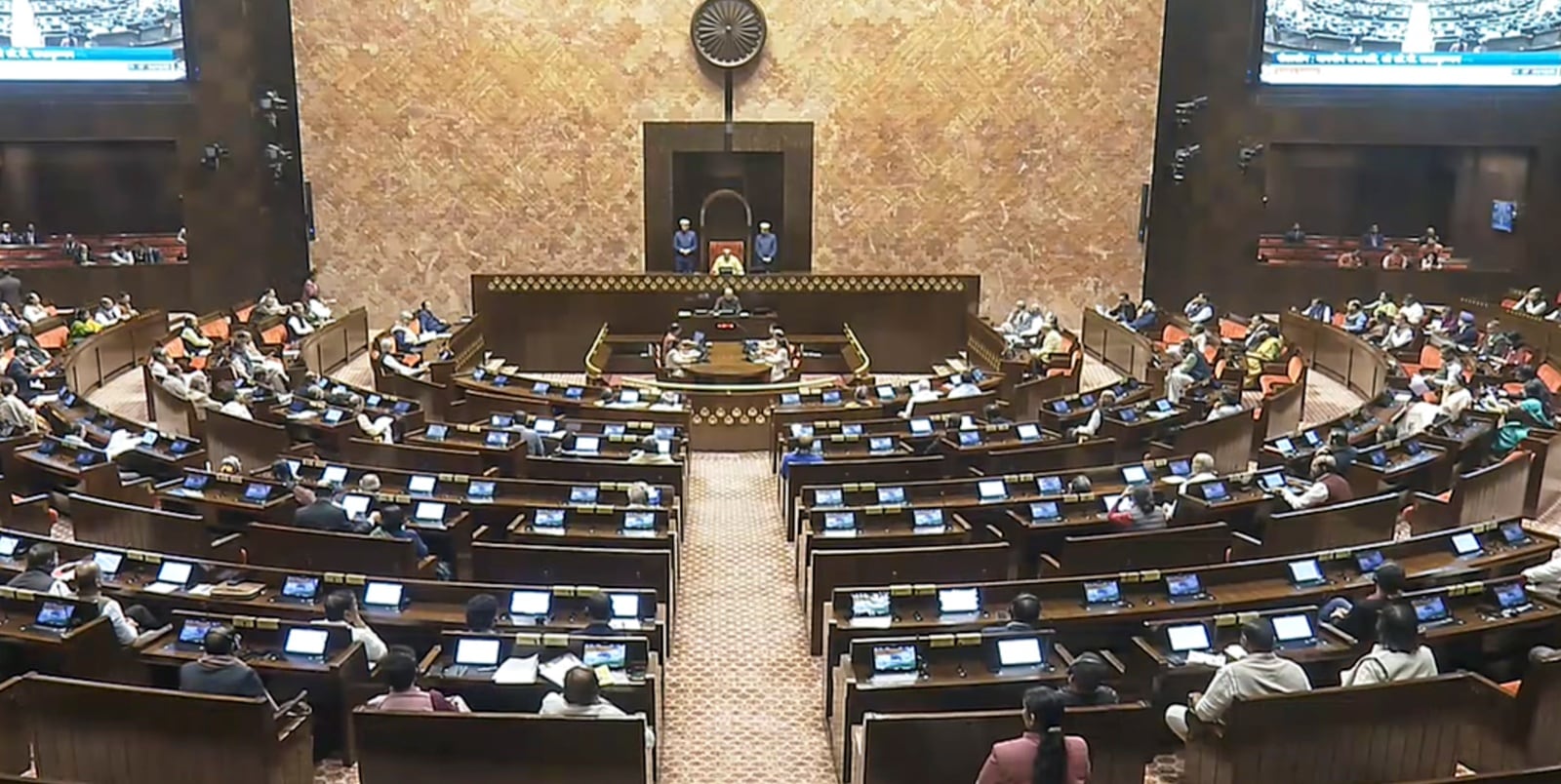
Parliament on Thursday approved the Central Excise (Amendment) Bill, 2025 that will levy higher excise duty on tobacco products once the GST compensation cess ends, with the Rajya Sabha returning the legislation to the Lok Sabha.
The Lok Sabha passed the Bill on Wednesday.

During a discussion, many Opposition members said that revenue collected from the cess is unlikely to be shared equally and transparently with the states. Union Finance Minister Nirmala Sitharaman replied that the current discussion was on excise duty that would be shared with the states as per the recommendation of the Finance Commission.
“This is excise duty, not cess, we will talk about cess tomorrow or day after whenever it comes. This excise duty by its very nature will join the taxable pool and will be devolved per Finance Commission’s recommendations to the states,” she said.
Opposition members opposed the Bill saying that the increase in tax on beedis will affect the poor and vulnerable beedi rollers the most.
Sitharaman said the government, through various schemes, has encouraged farmers and bidi makers to move away from tobacco and grow other cash crops. She said a crop diversification scheme has been done in 10 states with the highest tobacco cultivation—Andhra Pradesh, Bihar, Gujarat, Karnataka, Maharashtra, Odisha, Tamil Nadu, Telangana, Uttar Pradesh, and West Bengal. In these states, 1.12 lakh acres of land has moved away from tobacco.
Defending the Bill, TDP MP Masthan Rao Yadav Beedha said by keeping tobacco expensive, government is directly contributing to reduction of non-communicable diseases and promoting a healthy population.
He said the Bill ensures fiscal stability and preserves revenue networks for both the Centre and states. “Tobacco taxation is and must be a tool for protecting public health.”
Story continues below this ad
BJP MP Madan Rathore said it is a “worrisome” situation that 41% of the population frequently use tobacco. “It is important to increase the excise duty on tobacco.” BJP MP Dr Ajeet Madhavrao Gopchade said the Bill is a strong effort to stop the vicious cycle of use of tobacco, which causes several types of cancer.
Outlining government schemes to benefit farmers, Gopchade said efforts are being made to reduce dependence of farmers on tobacco farming without reducing their income.
BJP MP Seema Dwivedi suggested two ways to reduce tobacco use— public awareness and expensive product.
She criticised the Opposition’s argument that the government’s aim is to increase revenue from tobacco only to earn money and added that the revenue will be used on pro-poor and pro-farmer welfare work.
Story continues below this ad
BJP MP Amar Pal Maurya alleged that Opposition is misleading people as the Bill will tax consumers and not farmers. “Tobacco is not a habit, it is a slow poison,” Maurya said.
During the discussion, Congress MP Pramod Tiwari said: “The current amendment is not related to health, but they don’t want states to get the money… the money collected should go towards helping those affected. This should not be a way for government to earn money.” He said that the excise duty reduces the economic power of the states and drives up retail prices.
TMC MP Sagarika Ghose said higher taxes in the absence of health awareness is unlikely to reduce tobacco consumption. Moreover, she said, there were questions about distribution of various cess to states in the past. NCP-SCP MP Dr Fauzia Khan said, “This (the Bill) will leave manufacturers dealing with two tax audits, two valuation regimes, doubling filings and the risk of all excise disputes. The Bill… doesn’t clarify whether dual systems will coordinate or share data, nor do they address the audit compliance burden.”
