

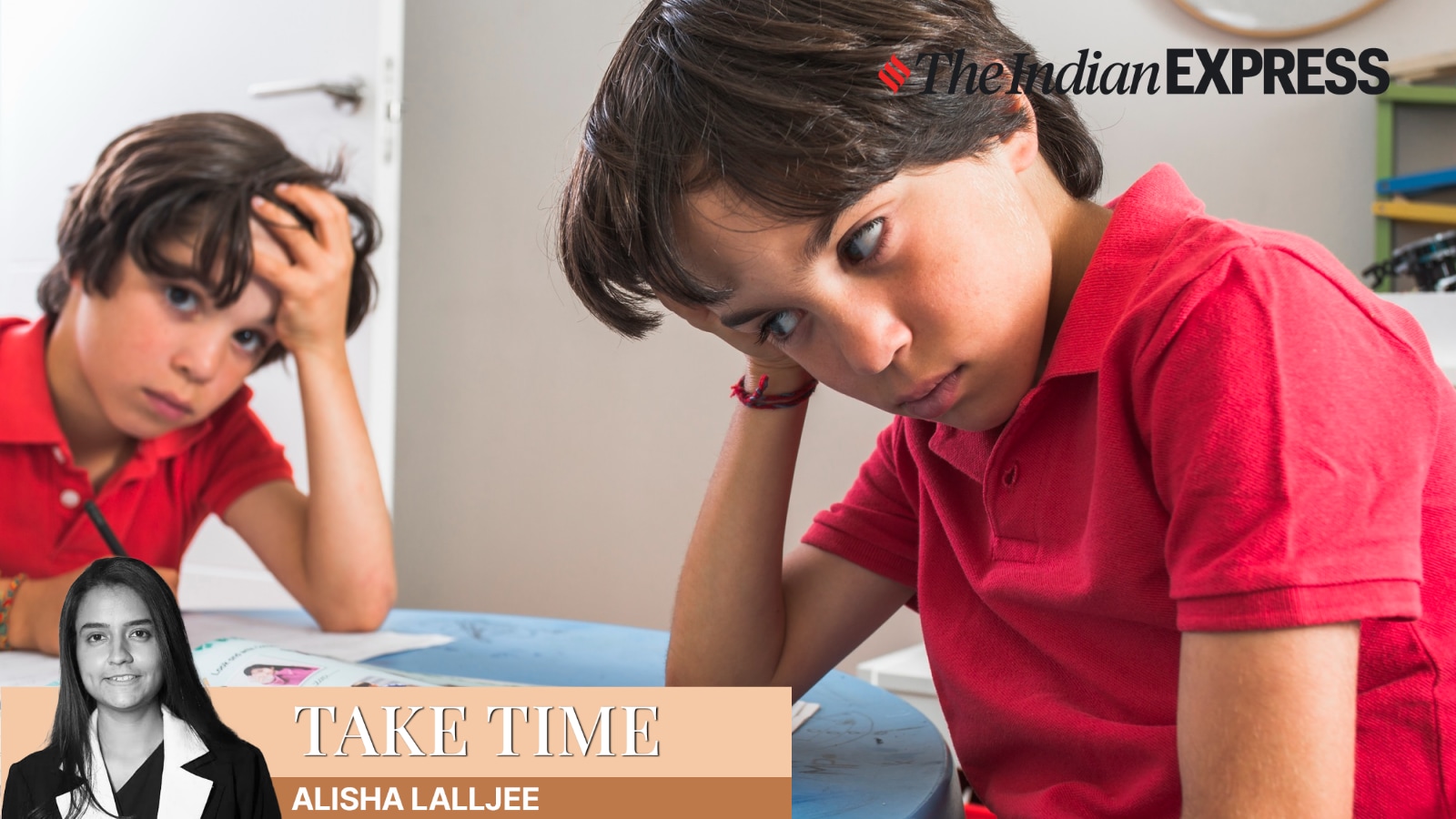
Raising emotionally literate children has become a defining goal for many modern Indian parents, yet it often begins with a quiet irony. They are trying to teach their children a language they themselves were never taught. They want their kids to express what hurts, what scares them, what excites them, and what overwhelms them. But they grew up in homes where emotions were rarely named and often quietly swallowed.
In many households across India, love was present in full measure, but emotional vocabulary was almost absent. Parents provided safety, food, education, routine, and structure. What they didn’t provide, often because they themselves had never received it, was space for feelings.

Many of today’s parents grew up hearing familiar lines. Don’t cry. You’re overreacting. Don’t talk back. Or the quiet but final, ‘bas, forget it’. These words were not born out of cruelty. They came from a culture where emotional endurance was considered strength, where silence meant respect, and where vulnerability rarely had a place.
Children learned early that expressing discomfort might be seen as complaining, and sadness might attract irritation instead of comfort. They learned to move on quickly and quietly. And now, as adults raising a new generation, they find themselves longing to offer their children something gentler. Something more open. A kind of emotional ease they never experienced themselves.
This creates a unique challenge. How do you break a pattern you have lived inside for decades? How do you nurture emotional fluency when your own relationship with emotions feels hesitant or unfinished? The answer begins with self-compassion. Many parents believe they should already know how to model emotional awareness, but the truth is simple. Nobody taught them. And what no one teaches you, you cannot magically embody. So, the work begins with acknowledging the gap without shame. You are not flawed for not knowing. You are brave for trying.
Parents often assume they must appear calm and perfect for their children. But what children truly need is not perfection. It’s visibility. When a parent says, I am feeling overwhelmed, give me a moment to breathe, they are doing something revolutionary. They are showing a child that emotions are not dangerous. They are simply signals. They are demonstrating that adults, too, feel frustrated or tired and that it is completely okay to pause rather than react. This kind of emotional modelling is powerful because children absorb emotional behaviour not through formal lessons but by watching the grown-ups around them.
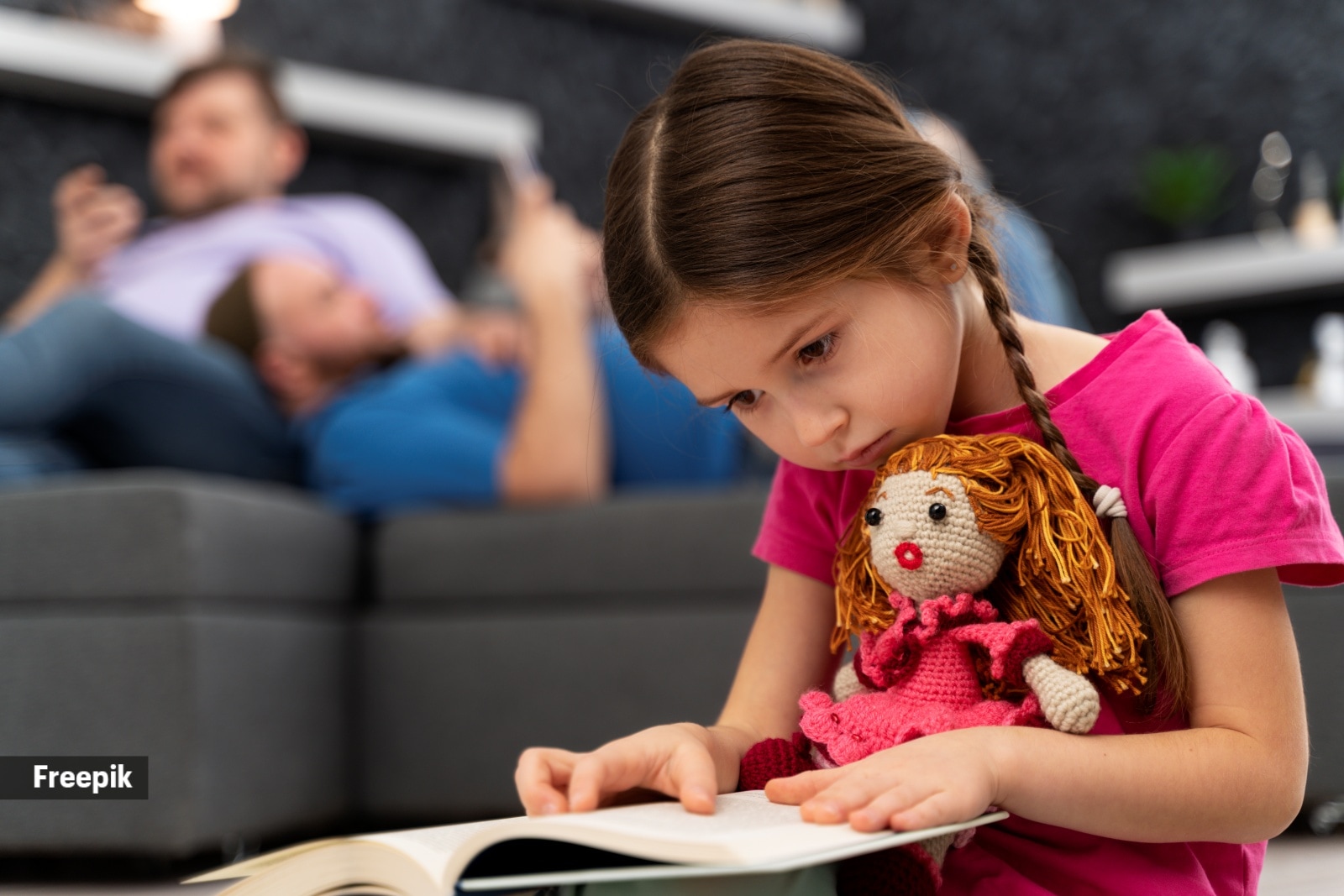 Representational photo (Source: Freepik)
For a child, emotions live first in the body before they make their way to words. A tantrum is often unprocessed frustration. Withdrawal is unspoken fear. Irritability is hidden sadness. When parents gently notice these cues and offer words for them, something begins to shift. You look upset. This feels like a hard day. Something about this seems to be bothering you. These small sentences offer children emotional clarity. They begin to understand that their inner world can be spoken, not just felt.
Story continues below this ad
What many adults had to learn in adulthood, children begin to grasp through everyday conversation. That emotions make sense. That they are not shameful. That they do not need to be hidden. Tears are often the moment where this generational divide becomes clearest.
Many adults remember being told not to cry because it was seen as a sign of weakness or defiance. But children cry not to manipulate but because crying is their first language. It is what they do when their nervous systems feel flooded.
When words fail. Meeting tears with patience instead of dismissal is an invitation. A parent doesn’t need to fix everything. They just need to stay close. Sit beside. Say, I am here. I see you. That simple act teaches a child something most adults are still trying to believe. That their sadness is not too much. That their emotions are safe to bring into the room.
And just as powerful as emotional validation is the act of repair. Many of us grew up in homes where, after a conflict, everyone pretended nothing had happened. Apologies were rare. Adults remained unquestioned. Children were expected to move on without clarity. And so many parents today still carry the unease of unresolved tension.
But when a parent today says to their child, I lost my temper. I am sorry. That was not okay. Let us try again. They are doing more than apologising. They are showing that love can include imperfection. That relationships can survive missteps. That emotional honesty builds safety more than emotional control ever could.
Story continues below this ad
This work does not require grand conversations. It lives in the quiet, daily moments. Asking your child what they liked about their day. Noticing when they go quiet and softly checking in. Listening without interruption. Letting them take their time. Creating a home where feelings are allowed to exist without having to justify themselves. A home where joy and tears both belong.
Where a child learns that all parts of themselves are welcome. As children grow, emotional literacy needs to go beyond naming emotions. It must also include learning what to do with them. Many adults today can say they feel anxious or angry, but do not know how to manage those emotions in a healthy way. Because nobody taught them how. This is where emotional literacy becomes resilience. A child who learns to take a breath when angry or to go for a walk when overwhelmed or to draw when words are too hard is not just emotionally aware. They are emotionally capable. And that is what we ultimately want for our children. Not to avoid difficult emotions but to be able to live with them, respond to them, and move through them with confidence.
The most powerful part of all this is that parents and children can learn together. There is no need to have it all figured out. Saying to your child, I did not grow up talking about emotions, but I am learning now, is a gift. It shows them that growth never stops. That even adults are still becoming. That families can evolve. Slowly, awkwardly, imperfectly — but beautifully.
And maybe that is the most hopeful part. That the cycle does not have to continue. That in a home where feelings were once silenced, they can now be spoken. That emotional literacy is not a trait but a practice. And that every time a parent chooses to sit with a crying child, or names their own frustration calmly, or simply says I understand, they are changing the story for the next generation.
