


December 11, 2025 09:35 AM IST
First published on: Dec 11, 2025 at 06:15 AM IST
There are certain instances when poems or songs transcend their immediate contexts and become slogans. They represent public sentiment, face censorship and political contestations, and carry memories of multiple renditions. For colonial and post-colonial India, Bankim Chandra Chattopadhyay’s ‘Vande Mataram’, first written and published in Bangadarshan in 1875, later included in his novel Anandamath, and turned into a song by Rabindranath Tagore, is one such. So, when both Houses of Parliament spent hours debating the poem’s journey, it was inevitable that there would be omissions, misinterpretations, anachronisms and ahistorical spinning of facts, tuned to contemporary ideological tensions.
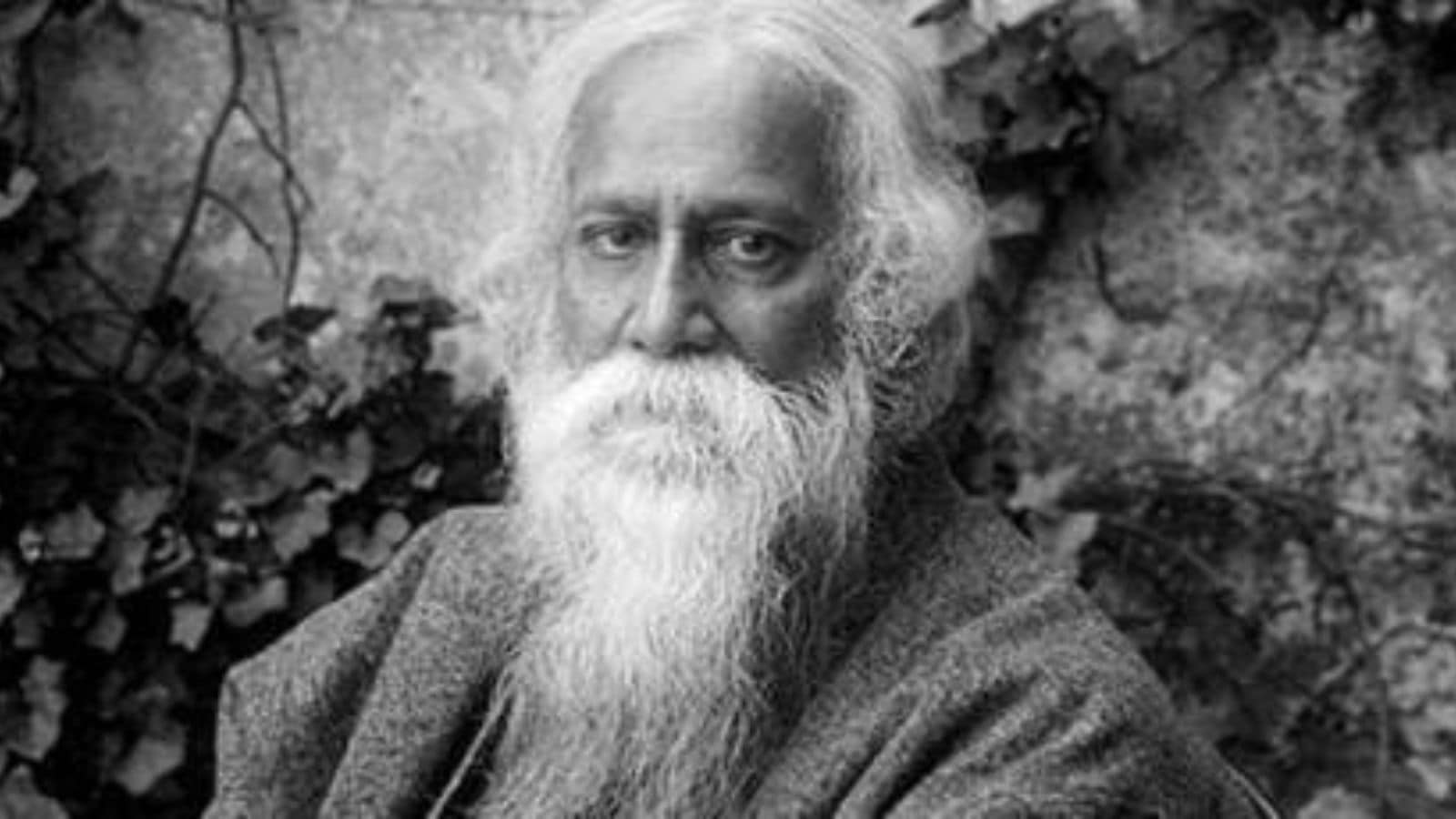
In the debate, however, conspicuously missing was the story of another ‘Vande Mataram’, or ‘Bande Mataram’ as it is pronounced in Bengali, a song written and composed by Tagore. It was used as a slogan of unity on the streets of undivided Bengal when Lord Curzon announced Bengal’s partition in 1905. Far from the religious invocation of Chattopadhyay’s ‘Vande Mataram’, Tagore’s song was a message of togetherness: “Ek-i sutre bandhi achi sahasra-ti man, Ek-i kaje sanmpiyachi sahasra jivan, bande mataram (We have stitched a thousand minds together in a single thread. We have devoted a thousand lives to a single (common) task. Bande mataram).” This song, along with others by Tagore such as ‘Banglar mati, Banglar jol’, ‘Amar sonar Bangla’, were reportedly sung in rallies against partition. On Rakshabandhan, Tagore himself led a procession of unity, and Hindus and Muslims tied rakhis on each other, upholding Bengal’s syncretic values.

It was different from ‘Vande Mataram’ on two grounds. First, according to Sudipta Kaviraj, Chattopadhyay’s poem brought together three prevalent literary strands — “discourses which celebrated the beauty of nature”, “religious traditions of worship of the figure of Shakti”, and “purely mundane terms of desa or ksetra, which referred emotionlessly to physical space or territory”. Shaping the land’s bountifulness in the language of motherhood, Chattopadhyay took a literary leap. Tagore, on the contrary, emphasised the tie that binds people of the land together; the task of anti-colonial consolidation that makes them fearless; and the determination not to let any force divide them. This is a tactical shift from cultural religiosity towards political nationalism. Second, while ‘Vande Mataram’ was used as a slogan during Hindu-Muslim riots in the 1930s, as documented by scholar Sabyasachi Bhattacharya in his book Vande Mataram: The Biography of a Song, ‘Bande Mataram’ was used to protest against the partition of Bengal.
It is not clear why Tagore composed a separate ‘Bande Mataram’ when he himself endorsed ‘Vande Mataram’ in Congress’s 1896 session. His communication with Jawaharlal Nehru shows that in 1937, when Congress adopted it as the national song, he was sceptical about the later stanzas — those have become the central point of the current debate. Histories are multi-layered and multifaceted. Our political classes should leave it to the historians, while both versions of the song continue transcending the narrow boundaries that try to limit their imaginations.
The writer is senior assistant editor, The Indian Express abhik.bhattacharya@expressindia.com
