

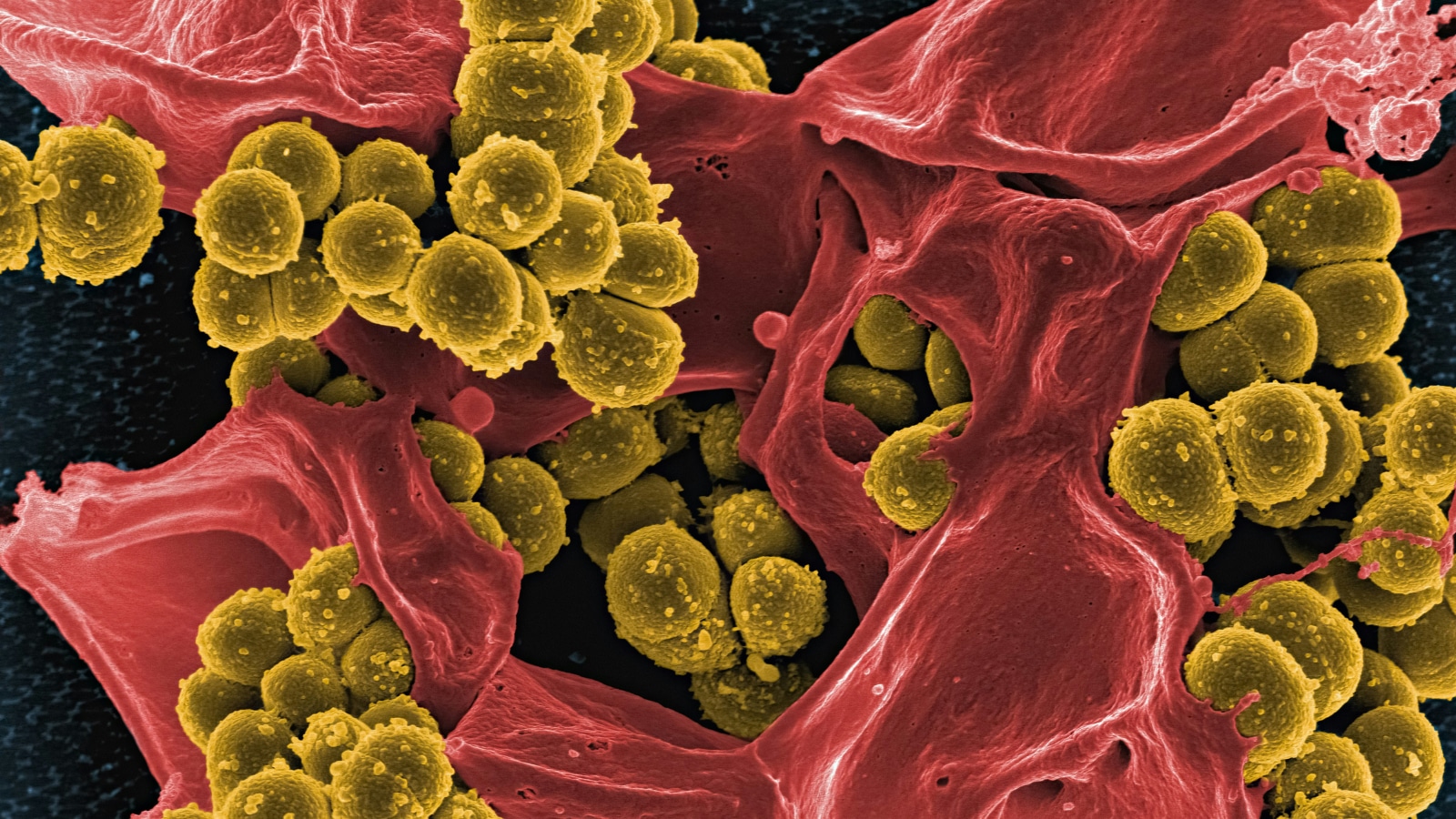
Is Delhi becoming the hotbed of antibiotic-resistant bacteria? Researchers from the School of Environmental Sciences, Jawaharlal Nehru University, collected air samples from parts of Delhi and found high levels of antibiotic-resistant staphylococci in both the indoor and outdoor environment. Notably, the bacteria load peaked in winter months, explaining why people are more vulnerable to falling sick and developing respiratory infections during this time of the year.
“Of the 100 isolates (single pure strains of bacteria separated from a mixed pool), 73 per cent were single drug-resistant while 36 per cent were multi-drug resistant,” says corresponding author Madhuri Singh, School of Environmental Sciences, Jawaharlal Nehru University. The findings have been published in the scientific journal Nature. Excerpts:

ALSO READ | India one of the biggest contributors to the deadly global ‘superbug’ crisis
What are staphylococci?
Staphylococci are spherical bacteria, commonly called “staph.” They exist in clusters and are found on skin and mucous membranes, inside our nasal cavities for example. They can cause infections, ranging from minor skin issues (boils, pimples) to severe illnesses like pneumonia, sepsis, or MRSA (methicillin-resistant Staphylococcus aureus, methicillin being an antibiotic from the penicillin family). They can cause wound infection, soft skin tissue infection, styes, aggravate burns, trigger endocarditis (inflammation of the heart’s inner lining) and septicaemia.
They enter the body, often through wounds or contaminated items, with transmission through direct contact or shared items. The most alarming bit about the study is that we are breathing many kinds of staphylococci, particularly in crowded areas, slum clusters, densely populated areas and around some hospitals. It is found in both animals and humans and we release them into the air when we breathe or cough. The higher the particulate matter (PM2.5, PM10), the higher the number of bacteria that sticks to them. The particles act as carriers for bacteria, facilitating their transport in the atmosphere, enhancing their toxicity or ability to invade host cells and triggering respiratory infections.
ALSO READ | Is paracetamol making you antibiotic-resistant? A new study sheds light on use of OTC drugs
What did the study reveal?
This study is the first of its kind in Delhi, revealing a significantly high staphylococcal load in both indoor and outdoor air samples of the urban environment, exceeding 16,000 CFU/m3, which is well above the WHO-recommended limit of 1000 CFU/m3 for microbial exposure. Seasonal variations revealed a peak in winter and a trough in outdoor concentrations during the monsoon while still posing a threat indoors.
Story continues below this ad
Eight staphylococcal species were identified, with Staphylococcus epidermidis and Staphylococcus arlettae being the most prevalent human- and animal-associated species. They become antibiotic-resistant rapidly, limiting treatment options.
Who is most vulnerable to these bacteria?
The elderly, those with compromised immunity, cancer survivors and children. That is why they are prescribed hygiene, advised protection for outdoors and a controlled, breathable environment during these months.
What were the localities chosen and which had the highest bacterial load?
Story continues below this ad
We studied samples from Vasant Vihar Urban Slum (VVUS), Munirka market complex, Munirka Apartment, and the Sewage Treatment Plant (STP) at Jawaharlal Nehru University (STP, JNU). The JNU site had the least load because of the lesser number of people inhabiting there. The highest loads were found in crowded places like the Munirka market complex and the slum clusters next to Vasant Vihar.
What is the cautionary advice for antimicrobial resistance?
The study highlights the critical need for comprehensive monitoring and reporting on environmental AMR, including both antibiotic-resistant bacteria and their associated genetic markers. This way we can accurately map the AMR threat and work on integrated action plans to counter it in urban settings.
While we talk of appropriate antibiotic use (have it as per the prescription of a doctor, complete the dose without giving up midway, limit their prophylactic use and OTC availability, do not repeat them even if you have similar symptoms without consulting a doctor), we also have to talk about the right way to dispose antibiotics. Improper disposal of antibiotics (like flushing them down or tossing them in the trash can) releases them into soil and water, creating a low-dose, continuous antibiotic environment where bacteria are exposed, survive, adjust and mutate, developing resistance genes. These resistant bacteria then spread in ecosystems and can transfer their resistance genes to other microbes. In the end, all of them form a formidable army that dominates food chains or water supplies, making human infections harder to treat.
ALSO READ | Falling sick in Brazil showed me what India gets wrong about antibiotics
Story continues below this ad
In fact, we found such bacteria in hospital settings because of unwise disposal methods. In the absence of a drug collection and disposal strategy, hospitals have their own methods. The water near hospitals often has a high dose of antibiotics. Usually manufacturing companies have a take-back policy and neutralise the active ingredients of their pills.
To sterilise the air of such bacteria, professional systems often employ ultraviolet (UV) light irradiation, ionisation or use high-efficiency air filtration (HEPA). Everybody must be made aware of AMR.
