

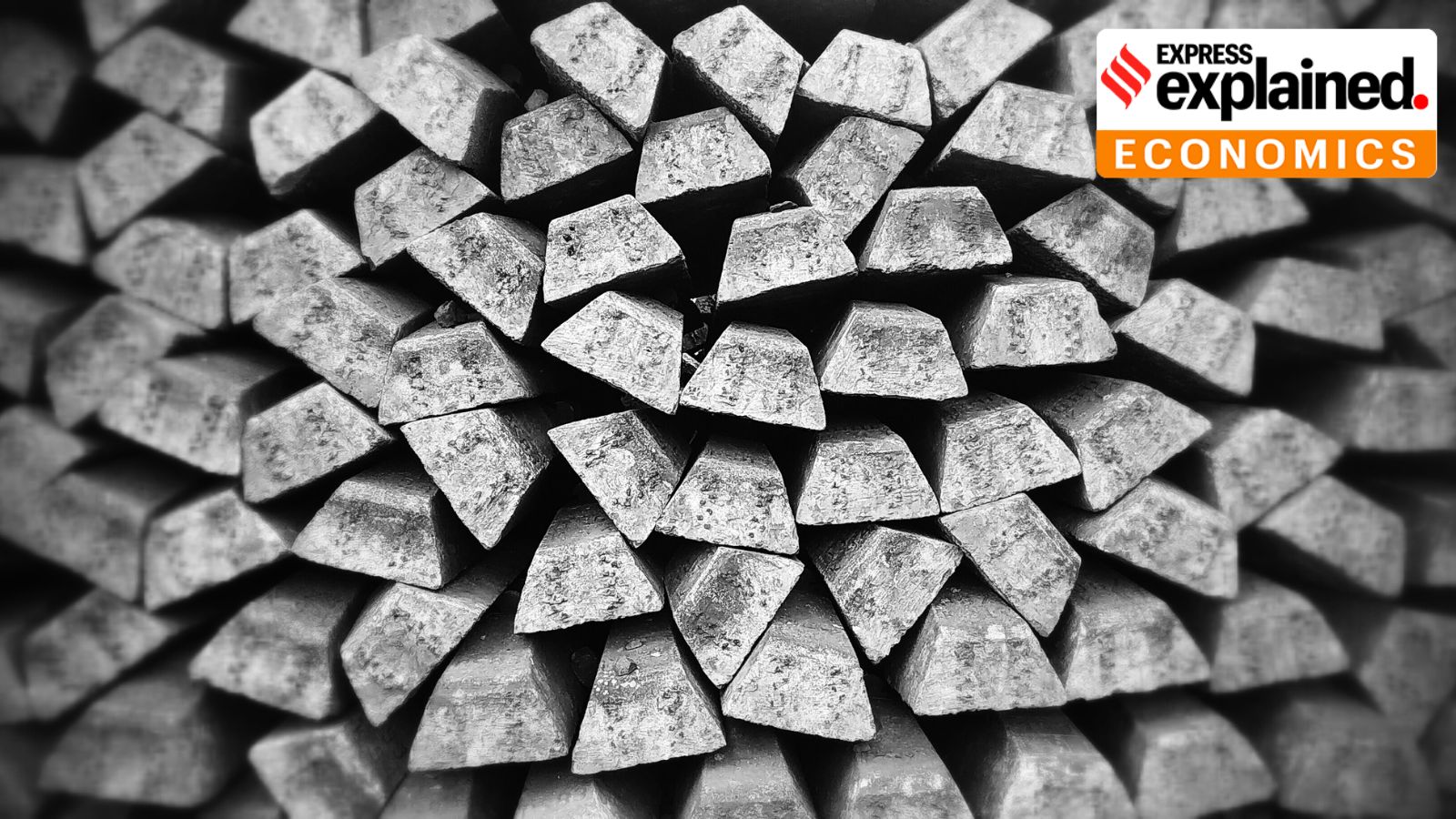
On Monday, the price of silver fell nearly 10 per cent, marking its largest one-day decline in years. But it didn’t really matter, for prices rose again on Tuesday, taking the gain for December to more than 30 per cent, and for the whole of 2025 to more than 160 per cent.
Gold has always been the darling of those looking for a safe bet; 2025 was no different, with global trade tensions denting investor confidence and continued easing of interest rates by the US Federal Reserve making the yellow metal increasingly attractive and pushing it to record highs. The reasons behind silver‘s rise are similar, but also different.
Unlike gold, which is primarily purchased by households and central banks as a store of value and investment, silver actually has inherent physical properties that make it a key component in the manufacture of items, from batteries to solar panels. These sectors are not only in vogue now but will be crucial to the future of humanity. Then there is the market for silver because of its looks: jewelry and coins. Altogether, the buyers and their reasons to purchase silver are more varied than that of gold.
The supply of silver is also markedly different from gold. Primarily a byproduct when other minerals are mined, silver’s supply has not moved to match the increase in demand from various quarters, including industry, for several years.
More proximate supply-side reasons for the jump in price of silver include the metal’s inclusion in certain ‘lists’. In November, the US added silver to its list of critical minerals. Revised every three years by the US Geological Survey (USGS), the list is key to deciding government financing for projects as well as the minerals that may become a part of the Donald Trump administration’s Section 232 tariff review. In addition to silver, nine others were added to the list in November, taking the total number to 60.
“New data and the updated methodology have provided a more refined analysis of criticality. The updated methodology incorporates potential economic impacts of supply chain disruptions and examines over 1,200 potential disruption scenarios. Those refinements led to the USGS recommending the addition of ten minerals to the List,” the USGS said in early November.
Even before the addition of silver to the critical minerals list, stockpiles of the metal in the US were spiralling to unprecedented levels on tariff fears. As per the CME Group’s Commodity Exchange, the inventory of silver had shot up to 531 million ounces in late September, up 74 per cent from a year ago. Even now, the stockpile is at 449 million ounces, triple the usual levels. (One ounce is equal to 28 grams).
Story continues below this ad
Then there is China’s new rare metals export restrictions covering the next two years that come into force on Thursday. Silver being part of the list has caused concern among its users, with Tesla chief Elon Musk commenting on X on December 27 that “This is not good. Silver is needed in many industrial processes.”
Fear of Missing Out
The stockpiling in the US also created supply mismatches in key markets such as London, where the global price of the metal is decided. Shortage of actual, physical silver in London by October — around Diwali — led to prices skyrocketing.
When it comes to gold, India is usually the reason for big price movements. However, in 2025, silver was dragged into the craze too. As Switzerland-based Bank for International Settlements, an organisation of central banks from around the world, noted in early December, “trend-chasing investors – notably retail – might have sought to capitalise on gold’s momentum by engaging in speculative behaviour.”
Indians’ investments in gold and silver exchange traded funds (ETFs) — mutual funds that invest in these commodities — have indeed been on the rise. Data from the Association of Mutual Funds in India (AMFI) shows that inflows into just silver ETFs in September stood at Rs 5,342 crore. A year earlier, the inflows were likely much smaller considering AMFI didn’t even disclose the number back then. But to put the rise in perspective, inflows into gold ETFs – a far more popular category – in September 2024 was just Rs 1,233 crore.
Story continues below this ad
“Gold and Silver ETFs together constitute 71.9 per cent of the total passive fund flow, highlighting investors’ growing preference for precious metals as a portfolio diversifier amid global market volatility,” AMFI had said in its monthly note for September.
When new ETF units are created by mutual fund houses, they must buy physical silver. What ensues is a self-fulfilling prophecy of sorts: shortage of silver — in London as well as in India — led prices to rise, which made people want to buy more of the metal as they feared missing out on the opportunity, which made prices rise further. Some mutual funds decided the price risk was not worth it and stopped accepting fresh investments.
“Due to an acute shortage of physical silver, domestic prices are now trading at a 5-12 per cent premium to international benchmarks. In effect, Indian investors are currently paying significantly more than global fair value because of supply constraints in the local market,” Varun Gupta, Chief Executive Officer at Groww Mutual Fund, wrote on LinkedIn in mid-October.
“Continuing to accept new lumpsum investments at this stage would mean deploying fresh inflows at temporarily elevated prices, which could correct once the premium normalises,” Gupta said, adding that Groww had decided to temporarily pause new lumpsum investments in its silver ETF Fund of Fund “to protect investors’ interests”.
Story continues below this ad
Money flowing into silver ETFs did decline in October (Rs 3,412 crore) and November (Rs 2,154 crore), as per AMFI.
Commodities on the rise
Gold and silver are not the only metals to have risen in 2025. Copper, too, surged and crossed the $12,000-a-tonne mark for the first time last week due to the same concerns as those faced by silver: US tariffs and shortages. The weakening of the US dollar — set to end 10 per cent lower in 2025 — has also led to the adoption of the so-called ‘debasement trade’, which involves buying assets such as gold, silver, bitcoin, and industrial metals in the expectation that they will become dearer and provide insulation from falling currencies.
According to ANZ, “the bullish case remains intact for gold and silver” in the first half of 2026. “Easing monetary policy, fiscal concerns, geopolitical risk and waning trust in US assets continue to support investment in real assets,” commodity strategists Soni Kumari and Daniel Hynes wrote in a December 15 note, although they warned that “volatility is expected to remain high following this year’s price surge”.
