

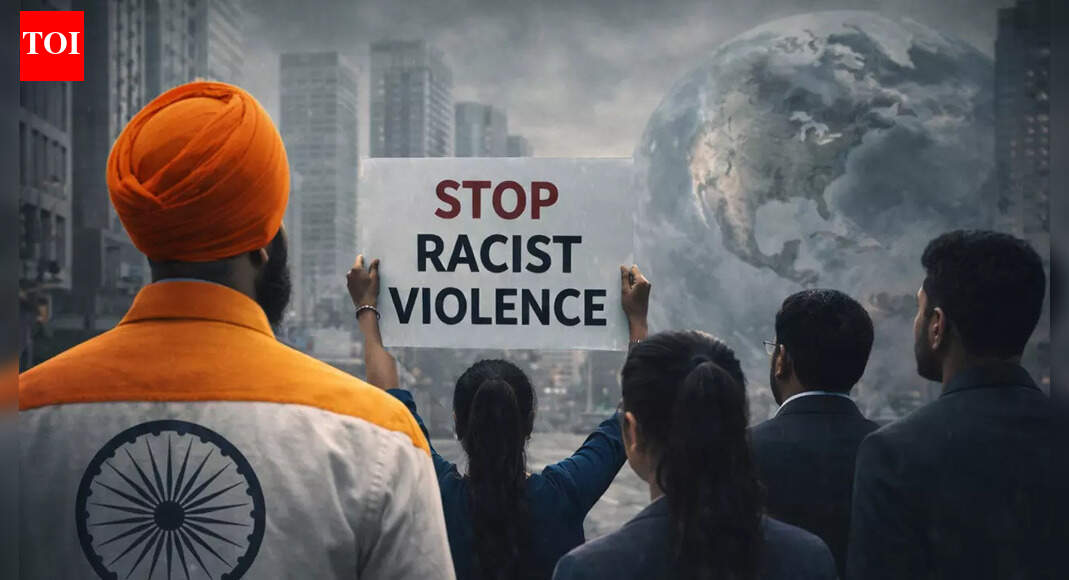

- An Indian man was beheaded in the US last year.
- Two elderly Sikh men were attacked outside a railway station in the UK.
- A group of teenagers assaulted an Indian man and a six-year old Indian in Ireland, telling them to ‘go back home’.
- In Canada, a doctoral student from India was shot dead near University of Toronto Scarborough campus.
Sounds scary, right? These are not isolated incidents. They reflect a stark reality faced by Indians abroad today — one marked by rising hate crimes, racial hostility and targeted attacks.
As India marks Pravasi Bharatiya Divas on January 9, celebrating the success of its global diaspora, recent incidents have raised an unsettling question — how safe are Indians beyond New Delhi’s borders?
Significance of Non-Resident Indian (NRI) Day
Pravasi Bharatiya Divas commemorates the return of Mahatma Gandhi from South Africa to India in 1915. It honours the role of the global Indian community in nation-building.
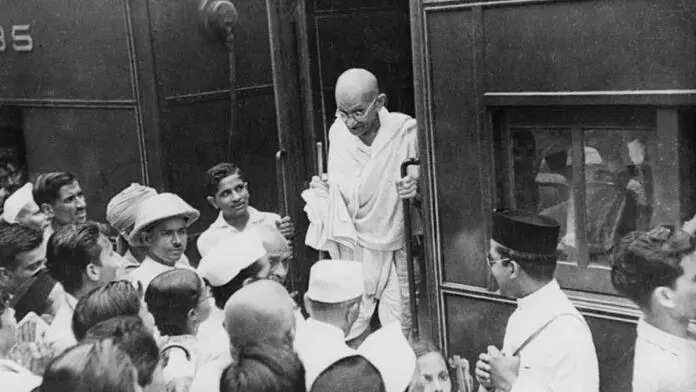
Since its inception in 2003, the event has highlighted the achievements of Indians abroad, ranging from medicine and science to entrepreneurship and public service.The flip side for Indians living and working across continents is that mobility has brought vulnerability. From violent attacks and racial targeting to exploitation and intimidation, many find themselves exposed to risks that go far beyond geography.
A disturbing pattern of racial violence
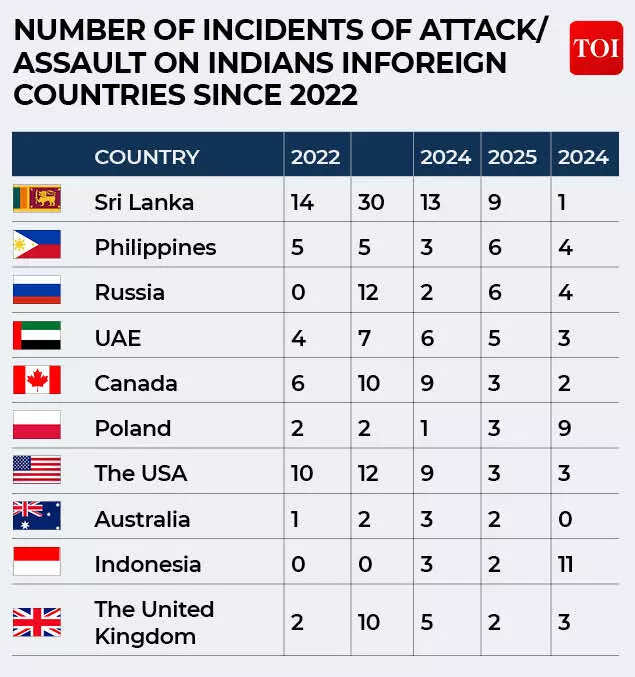
Ireland has long been seen as a safe and welcoming home for immigrants. But in recent months, the European country has witnessed a sharp rise in atrocities against Indians. Last year, a group of teenagers accosted an Indian man, beat him, and partially stripped him. He was left staggering and bleeding, while someone filmed the ordeal, the Guardian reported. In north Dublin’s Ballymun, two male passengers turned on an Indian taxi driver. They struck him across the face with a bottle, shouting: “Go back to your country.”Days later, in a County Waterford housing estate, a six-year-old Indian girl was targeted. Boys allegedly punched her in the face, hit her with a bicycle, and told her: “Go back to India.”In Canada, 20-year-old Shivank Avasthi, a doctoral student at the University of Toronto Scarborough, was shot dead near campus. Thousands of kilometres away in the United Kingdom, two elderly Sikh men were attacked outside a railway station in Wolverhampton. According to reports, three teenagers forcibly removed their turbans and assaulted them. Meanwhile, Vijay Kumar Sheoran, a former Indian government officer pursuing higher education, was stabbed to death on an isolated road in England.Vijay Kumar, a student from Haryana, was returning home when he was stabbed multiple times on an isolated stretch of Barbourne Road last year, leaving him dead.Across the Atlantic, in Texas, 26-year-old Chandrashekar Pole, who had completed his Masters just six months earlier, was shot while working part-time at a gas station. Meanwhile, Chandra Nagamallaiah, a 50-year-old man originally from Karnataka, was attacked by his employee after an argument over a broken washing machine.These cases together paint a sobering picture: while Indians continue to seek education and opportunities abroad, many face risks that go beyond the challenges of settling in a new country.
.
While recent cases have drawn attention, violence against Indians abroad is not a new phenomenon.In the late 1980s, the Indian community in Jersey City, New Jersey, faced a wave of targeted attacks that left lasting scars. A loosely organised group of attackers sought to intimidate Indian residents through repeated assaults.In 1987, Navroze Mody, an Indian immigrant, was attacked while walking home with a friend. His friend was unharmed. Mody died days later. In the same period, several other Indians were beaten in separate incidents.Many of these attacks were carried out by the “Dotbusters,” a group of assailants, according to the news website northjersey.
What data reveals?
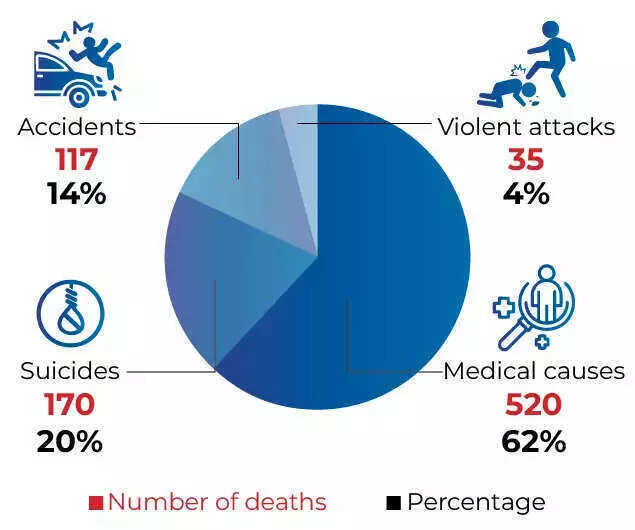
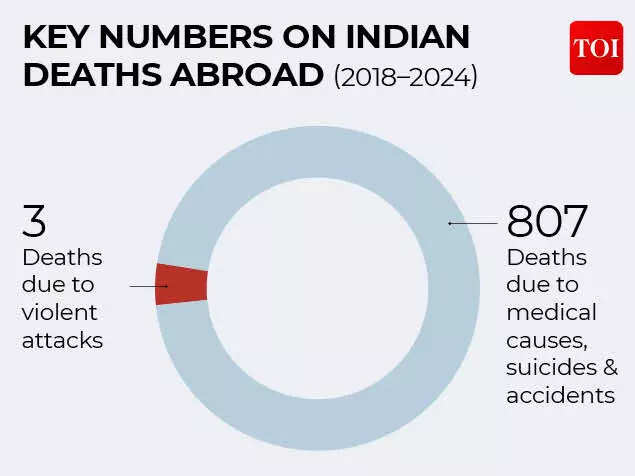
According to data shared by the ministry of external affairs (MEA) in Parliament, 842 Indian students died abroad between 2018 and 2024. According to the analysis of the data:
- Around 96% of deaths were due to medical conditions, suicides, accidents or other non-violent causes
- Roughly 4% resulted from violent crimes
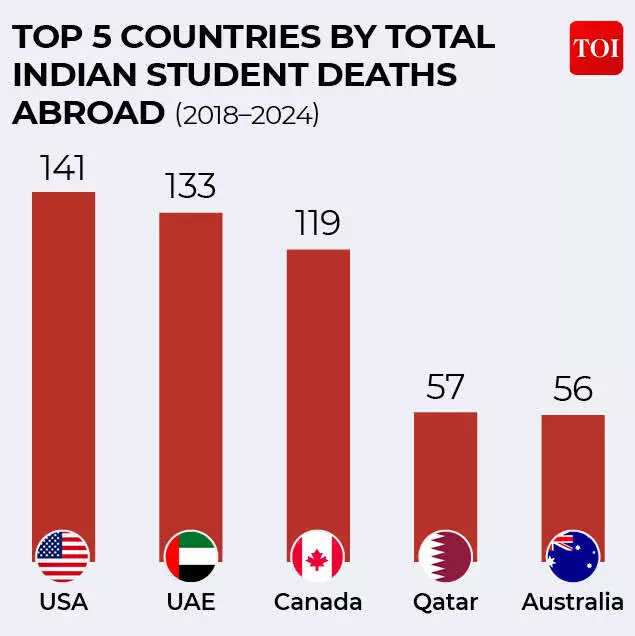
The United States recorded the highest number of Indian student deaths, followed by the UAE and Canada.
.
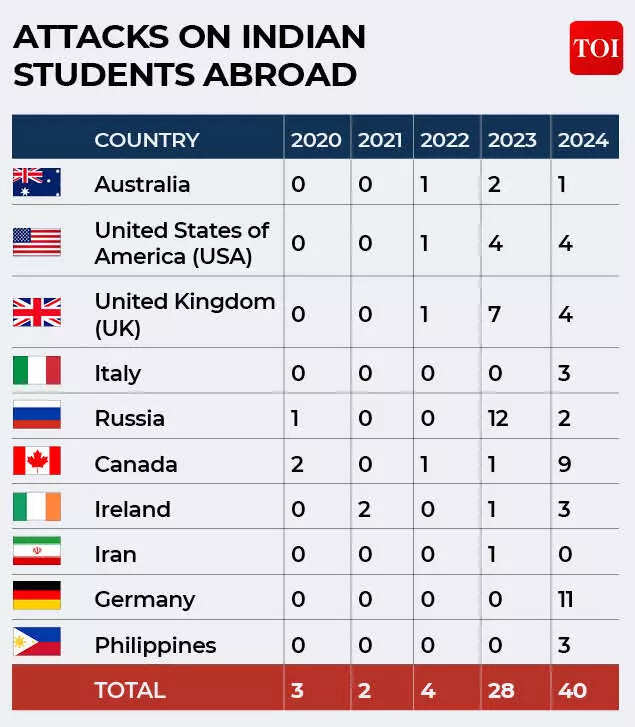
The data reveal an important truth: while violent crimes may appear small in proportion, mental health struggles, unsafe working conditions and lack of support systems pose even greater risks. Financial pressure often forces students into late-night jobs, increasing exposure to danger.OSINT data from 2020 to 2024 shows a worrying rise in violent attacks against Indian students abroad. In 2020, there were 3 reported incidents, but by 2024, the number had jumped to 40.
.
Countries like the United Kingdom, the United States, Canada, Ireland and Germany recorded multiple attacks, including stabbings, assaults and other targeted violence. Even nations traditionally considered safe for students, such as Ireland and Italy, saw a sharp rise.
From offline to online: The digital layer of hate
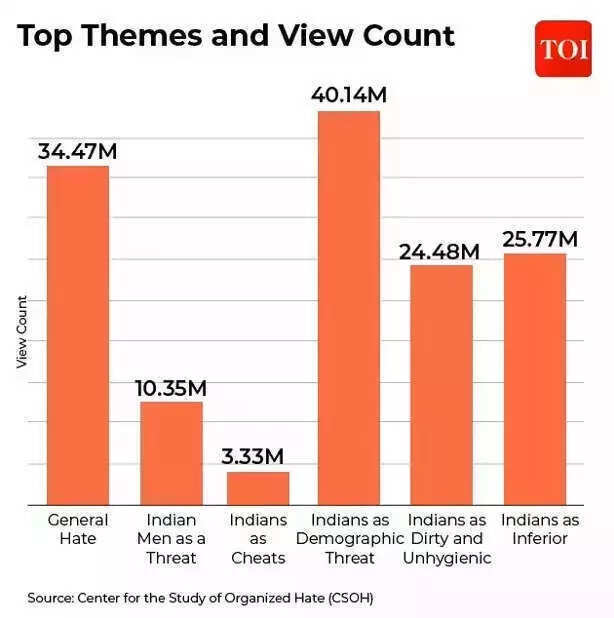
Beyond physical threats, Indians also face online hostilities. Research by the Centre for the Study of Organized Hate (CSOH) tracked 128 high-engagement posts targeting Indians on X between December 22, 2024 and January 3, 2025.
.
Together, these posts reached millions of viewers, spreading stereotypes about Indians as job-stealers, opportunists, or culturally incompatible.Alongside this runs the colonial narrative: stereotypes about hygiene, food, poverty, accents and cows. Accusations of cheating, hacking the system, or “taking jobs from locals” reinforce a reflexive suspicion toward Indian success.
.
Families often face delayed reporting, bureaucratic hurdles and logistical challenges when tragedies strike abroad. Moreover, financial pressures frequently push students into high-risk environments. Many others juggle jobs, study and living costs, increasing exposure to accidents or attacks.
.
Not a new fear
Academic research suggests that the vulnerability Indians face abroad today is rooted in older patterns of racial suspicion. In his 2008 study, 9/11 and the Indian Diaspora, published in the Journal of Intercultural Studies, psychologist Sunil Bhatia examined how Indians living in Western countries experienced a sudden shift in public perception after the September 11 attacks in the United States. Despite having no connection to the terror attack, many Indians found themselves viewed through the lens of fear — questioned about their loyalty, religion and place in society. Bhatia’s research showed how physical and cultural differences: skin colour, accents, names and religious attire had collapsed diverse Indian identities into a single, foreign category.
MEA on the safety of Indians abroad
In response to growing concerns over the safety of Indians abroad, the MEA has repeatedly maintained that the welfare of Indian nationals overseas remains a priority. In Parliament and official briefings, the government has said it takes incidents of violence against Indians “very seriously” and raises such cases with host governments through diplomatic channels.The government has also stressed that crimes committed abroad fall under the jurisdiction of the host country. Investigations, arrests and prosecutions are carried out in accordance with local laws. While Indian authorities can seek updates and press for action, they cannot directly intervene in judicial processes overseas.At the same time, the MEA has acknowledged the emotional challenges faced by families back home. In several responses, it has said that missions assist with documentation, repatriation of mortal remains and communication with foreign authorities, particularly in cases involving students and workers.
- Indian Missions and Consulates act as the first point of contact, coordinating with local authorities and providing consular assistance.
- 24×7 helplines and emergency contact numbers have been set up by embassies in countries with large Indian populations.
- Community welfare wings in missions monitor incidents involving Indian nationals and students.
- Student support mechanisms, including outreach to Indian student associations, are used to disseminate safety advisories.
- Diplomatic representations are made to host governments in serious cases, urging thorough investigations and accountability.
- Consular Services Management System (MADAD) and online grievance portals allow overseas Indians to report distress and seek help.
Conclusion
The tragic death of Chandra Nagamallaiah in the United States and the assault on the Sikh men in the United Kingdom are not new or exceptional in themselves. Many similar incidents involving Indians abroad never make headlines and often go unreported.This Pravasi Bharatiya Divas, as India reflects on the achievements of its global community, these incidents serve as a reminder that mobility is not only about opportunity, but also about navigating racism, stereotypes and the risk of hate-fuelled hostility.
.
At the same time, government responses underline an effort to address these challenges within the limits of international jurisdiction.For a diaspora that continues to build lives across continents, the question is not only one of opportunity, but of assurance: that their presence abroad is met not just with acceptance, but with protection.
