

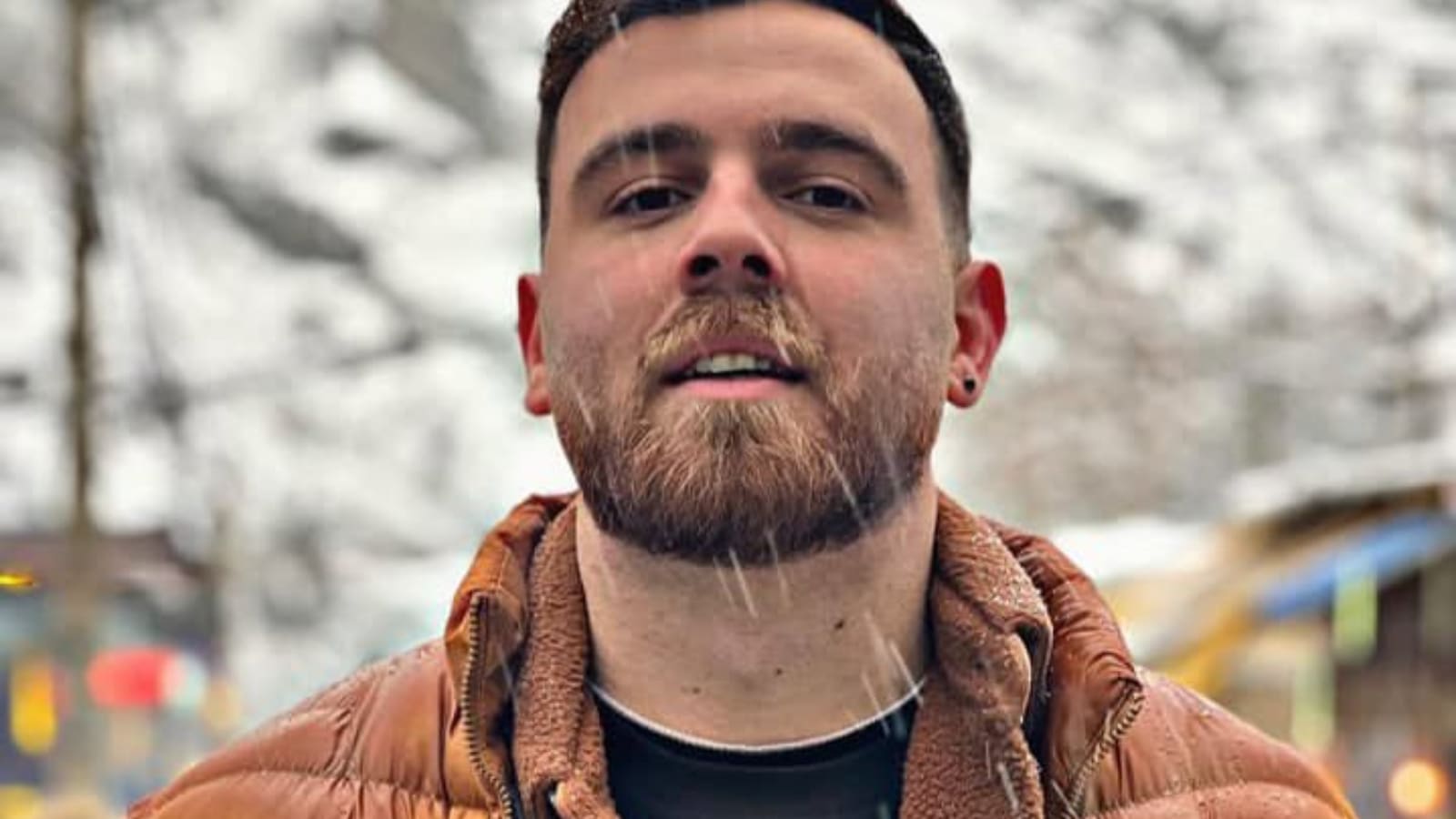
 Erfan Soltani’s family said there was no trail or hearing for him. (Photo: IranHR)
 Iran is set to carry out the first execution in connection with the ongoing anti-government protests that have entered their third week. According to exiled activists and human rights groups in Iran, Erfan Soltani, a protester who was arrested last week, could be executed as early as Wednesday, January 14.
Iran to carry out first execution
According to Iran Human Rights, 26-year-old Soltani was arrested in the city of Fardis, in Karaj district of Iran’s Alborz province, on January 8 for participating in the ongoing protests. IHRNGO, citing sources close to his family, on January 12, “his family were informed that he had been sentenced to death and that the sentence is due to be carried out on 14 January.”

The Islamic Republic is set to execute Erfan Soltani this Wednesday.
He was arrested last week during Iran’s 2026 uprising.
His only crime is calling for freedom for Iran.
Be his voice, save Erfan Soltani. pic.twitter.com/mVeUNZcCXk
— National Union for Democracy in Iran (@NUFDIran) January 12, 2026
The rights group added that Soltani did not have access to a lawyer, and as far as his family is aware, there was no trial on hearing in his case.
Since his arrest, the family said, Soltani was allowed to meet them only once, for just 10 minutes.
Iran cracks down on protests
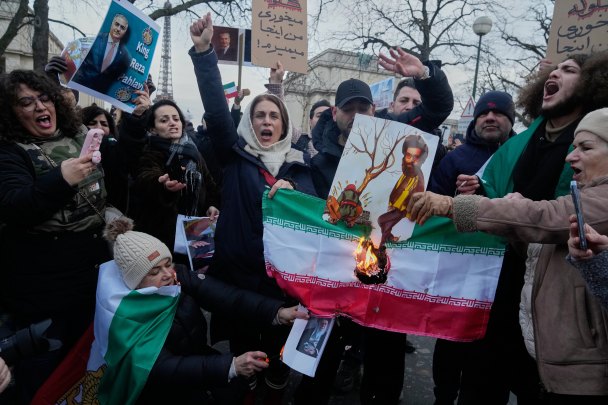
This comes as the authorities are continuing with their brutal crackdown on the protests that have gripped Iran. With the internet and other communication still heavily restricted, the exact number of those killed across the country is nearly impossible to verify.
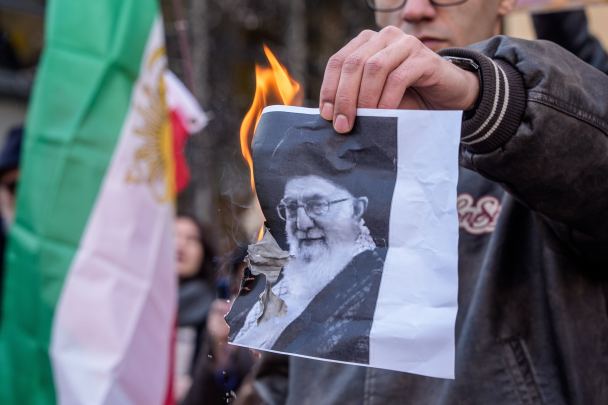
Mounting death toll in Iran
While IHRNGO said at least 648 protesters, including nine children under the age of 18, have been killed, others say the toll could be as high as 12,000.
Story continues below this ad
Over 10,000 protesters are also believed to have been arrested in the past few days.
“The widespread killing of civilian protesters in recent days by the Islamic Republic is reminiscent of the regime’s crimes in the 1980s, which have been recognised as crimes against humanity. The risk of mass and extrajudicial executions of protesters is extremely serious. Under the Responsibility to Protect, the international community has a duty to protect civilian protesters against mass killings by the Islamic Republic and its Islamic Revolutionary Guard Corps,” IHRNGO Director, Mahmood Amiry-Moghaddam, said in a statement.
The Iranian government, which had initially allowed the protests to happen, when it began on December 28 hardened its stand last week, with Supreme Leader Ayatollah Ali Khamenei saying “rioters must be put in their place and Attorney General Mohammad Movahedi Azad warning that anyone participating in demonstrations will be considered an “enemy of God”.
“Prosecutors must carefully and without delay, by issuing indictments, prepare the grounds for the trial and decisive confrontation with those who, by betraying the nation and creating insecurity, seek foreign domination over the country,” Azad said in a statement, reported by Iranian state television. “Proceedings must be conducted without leniency, compassion, or indulgence.”
