


Riteish and Genelia Deshmukh are one of the most loved couples of Bollywood. Even though the two hail from different cultures and backgrounds, their marriage is deemed as one of the most successful in the film industry. Recently, the duo opened up about their family dynamics in a candid chat on Rahul Mahajan’s podcast, Masala Chai with Rahul Mahajan. Long before their marriage, Riteish recalls, “Ye shadi ke bahut saal pehle the. Hum log shooting kar rahe the aur Genelia ghar pe aati thi… mere bhai the, kuch dost the.” (This was long before we got married. We were shooting together and Genelia came to our home. My brothers and friends were also there)
When Mahajan asked the couple if she was ever scared or nervous of entering such a powerful political family, Riteish noted, “Humari ye dharna hoti hai ki hum log apne pitaji ko is tarah dekhte hain ki wo shayad strict hain (We come from a viewpoint that our father is very strict)… But she just made it very lively. It was a new way of dealing with things.”

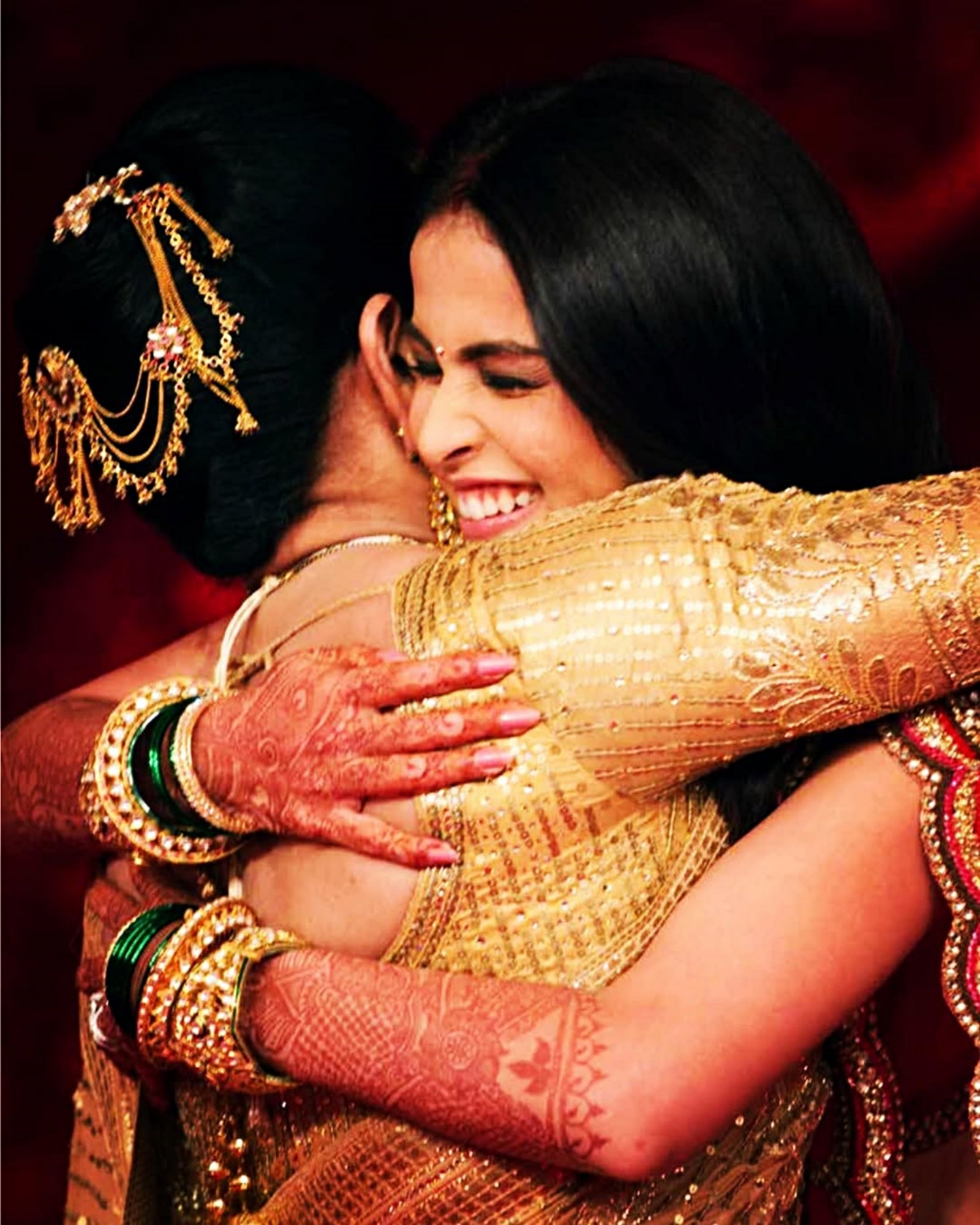 Genelia and her mother-in-law Vaishali Deshmukh share a very close bond (Image: Instagram/Genelia Deshmukh)
Genelia, further revealed,“Ritesh’s family is very easy. They are very respectful.. I mean, till today, with Ritesh’s mom, I am extremely close. She’s like my best friend.” Ritesh couldn’t help but laugh at the dynamic: “Genelia and my mother, they are more closer than what me and my mother are.”
Psychiatrist’s Perspective: When the “Strict” Soften
Dr Druhin Grover, Consultant Psychiatrist at Yashoda Medicity, explains that authority figures, like Ritesh’s father, are often perceived as strict or emotionally distant and unapproachable because their roles demand composure and control. “Yet, when they interact with someone who is naturally warm or emotionally open, a quieter transformation unfolds—a gentler, more relaxed side emerges, one that even close family may rarely see,” he says.
Psychologically, this reveals that perceived rigidity is often a role-based behavior, not absence of feeling. Warm, lively individuals like Genelia create emotional safety and offer acceptance without expectation, allowing the other person to express a side usually held back. “Without demanding closeness or performance, they create emotional permission, a space where the other person does not need to uphold a role.” Clarifying, Dr Grover notes, “What surfaces in these moments is not a new personality, but a hidden one, qualities long held back by circumstance rather than absence.”
When a daughter-in-law becomes a best friend
The Deshmukh household also highlights an interesting trend in emotional dynamics within families. Dr Grover observes, “A daughter-in-law may relate to her mother-in-law not just through roles, but as one adult to another. When a mother-in-law feels emotionally safe and respected, closeness can grow naturally, sometimes into friendship.”
In many households, sons often share bonds with parents built more on duty than emotional conversation. Genelia’s openness allowed her to form a relationship with Ritesh’s mother that transcends traditional roles. “Emotional safety matters more than who is ‘supposed’ to be closer,” Dr. Grover adds.
For the Deshmukhs, this means that warmth and openness—not hierarchy—define their family ties. “These connections flourish most in families that are emotionally open. Homes that value acceptance over hierarchy, and dialogue over control, make space for relationships to find their own rhythm. Emotional safety matters more than who is “supposed” to be closer,” the psychiatrist further adds, while concluding that when kindness and openness lead the way, relationships often surprise us—in ways that quietly strengthen family life.
Story continues below this ad
DISCLAIMER:This article is based on information from the public domain and/or the experts we spoke to.
