

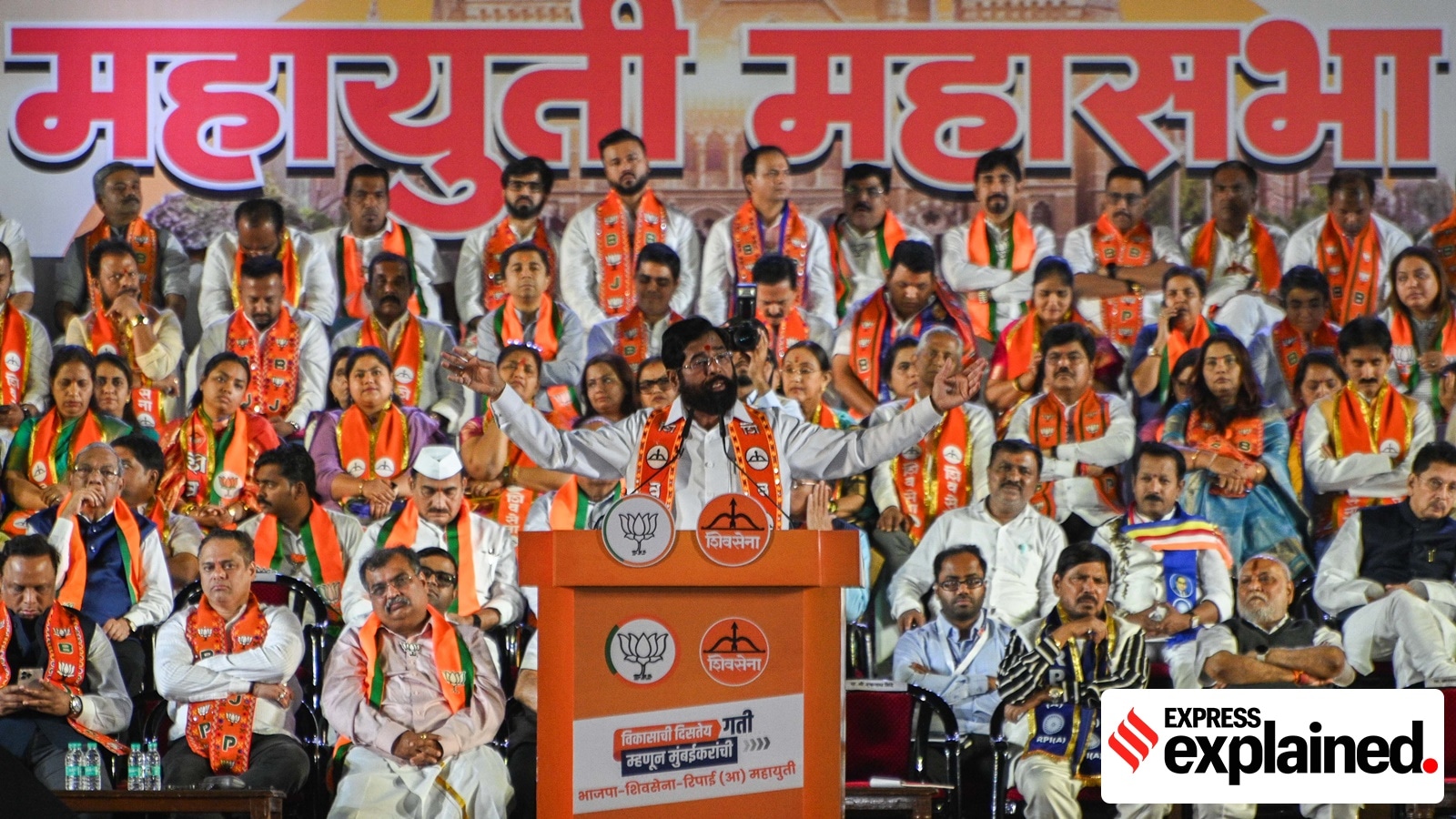
Mumbai Mayor Election Process Explained: The much-watched elections to Mumbai’s municipal corporation are over, but the city will not get a mayor immediately. This is not just because the winning Mahayuti alliance partners, the BJP and the Eknath Shinde-led Shiv Sena, are locked in a tussle over who will get the prized post. It is because the mayor’s election is governed by a separate legal process that begins only after the new House is formally constituted.
Unlike ward results, which are decided directly by voters, the mayor is elected by corporators, and the post is subject to reservation by rotation. Until this reservation is decided through a draw of lots and officially notified, political parties cannot name their candidates, making it unlikely that Mumbai will get a mayor this week.

What is the reservation system for the mayor’s post?
Under the law for most Urban Local Bodies across the country, the mayor’s post must be reserved by rotation for Scheduled Castes, Scheduled Tribes, Other Backward Classes and women. This reservation is not fixed in advance. Instead, it is decided through a draw of lots conducted by the Urban Development Department. Only after this lottery is held and the category is officially announced can the process of electing the mayor begin.
Why is the post reserved by rotation?
The system of reserving the mayor’s post flows from the 74th Constitutional Amendment, which gave constitutional status to urban local bodies and mandated reservation for SCs, STs and women in leadership positions. In Maharashtra, this is implemented through the Municipal Corporations Act, which extends reservation to OBCs as well. To ensure fairness, the law requires that the mayor’s post rotate among these categories over successive terms.
Why is a lottery used to decide reservations?
The draw of lots is meant to keep the process neutral. By using a lottery, authorities avoid accusations that political parties or governments are fixing the reservation to suit their interests. Rotation through a random draw also ensures that different social groups get a chance to occupy the mayor’s chair over time, rather than one category benefiting repeatedly.
How is the lottery conducted?
The process begins with the Urban Development Department issuing a notification to conduct the lottery. Based on past terms, officials prepare a rotation list of eligible categories. A public draw is then held. Once a chit is drawn, the reservation category is finalised and formally notified.
Only after this step can the BMC convene a special meeting of corporators to elect the mayor from among members belonging to the reserved category or the open category as per the lottery. The mayor is chosen by a simple majority, which in Mumbai means the support of more than 114 corporators in the 227-member House. The last two mayors of Mumbai as per the reservation lottery were from the open general category.
Story continues below this ad
What powers does the Mumbai mayor actually have?
As per the Constitution and the Mumbai Municipal Corporation Act, the mayor is the ceremonial head of the Brihanmumbai Municipal Corporation. The mayor is elected by corporators from among themselves for a term of two-and-a-half years. The role mainly involves presiding over meetings of the general body, maintaining order during debates, and using a casting vote if there is a tie.
The mayor also represents Mumbai at official functions as the city’s first citizen and acts as a bridge between elected representatives and the administration. However, the mayor does not control civic departments or finances. These powers rest with the Municipal Commissioner, an IAS officer appointed by the state government.

© The Indian Express Pvt Ltd
