


People usually think of anxiety as being caused by emotional or psychological factors, but health experts are now pointing to physical causes, especially lack of vitamin D. Since many of us spend long hours indoors, use screens more, and get less sun, vitamin D deficiency is becoming common, and its effect on mental health is getting more attention.
According to Dr Rituja Ugalmugle, Consultant in Internal Medicine at Wockhardt Hospitals, Mumbai Central, “Low vitamin D does not typically cause anxiety, but it can make the mind more sensitive to stress, lowering emotional resilience.” She added that vitamin D helps regulate mood, inflammation, and stress hormones—so when levels dip, people may feel more tense, fatigued, or emotionally off-balance.

While in psychologist Priyanka Bhosale’s opinion, “Biological deficiencies often act like amplifiers—if someone already has anxiety, low vitamin D magnifies emotional reactivity and reduces the ability to cope.”
So, does deficiency directly trigger anxiety, or does it merely worsen existing symptoms?
Dr Ugalmugle explained, “If their levels drop too low, one may feel emotionally off-kilter or mentally exhausted. Those already suffering from anxiety will feel symptoms weigh heavily.”
She suggested that Vitamin D plays a crucial role in:
- Serotonin production (a key mood regulator)
- Neural protection and anti-inflammatory pathways
- Stress-hormone regulation through the HPA axis
Signs that anxiety may be linked to Vitamin D deficiency
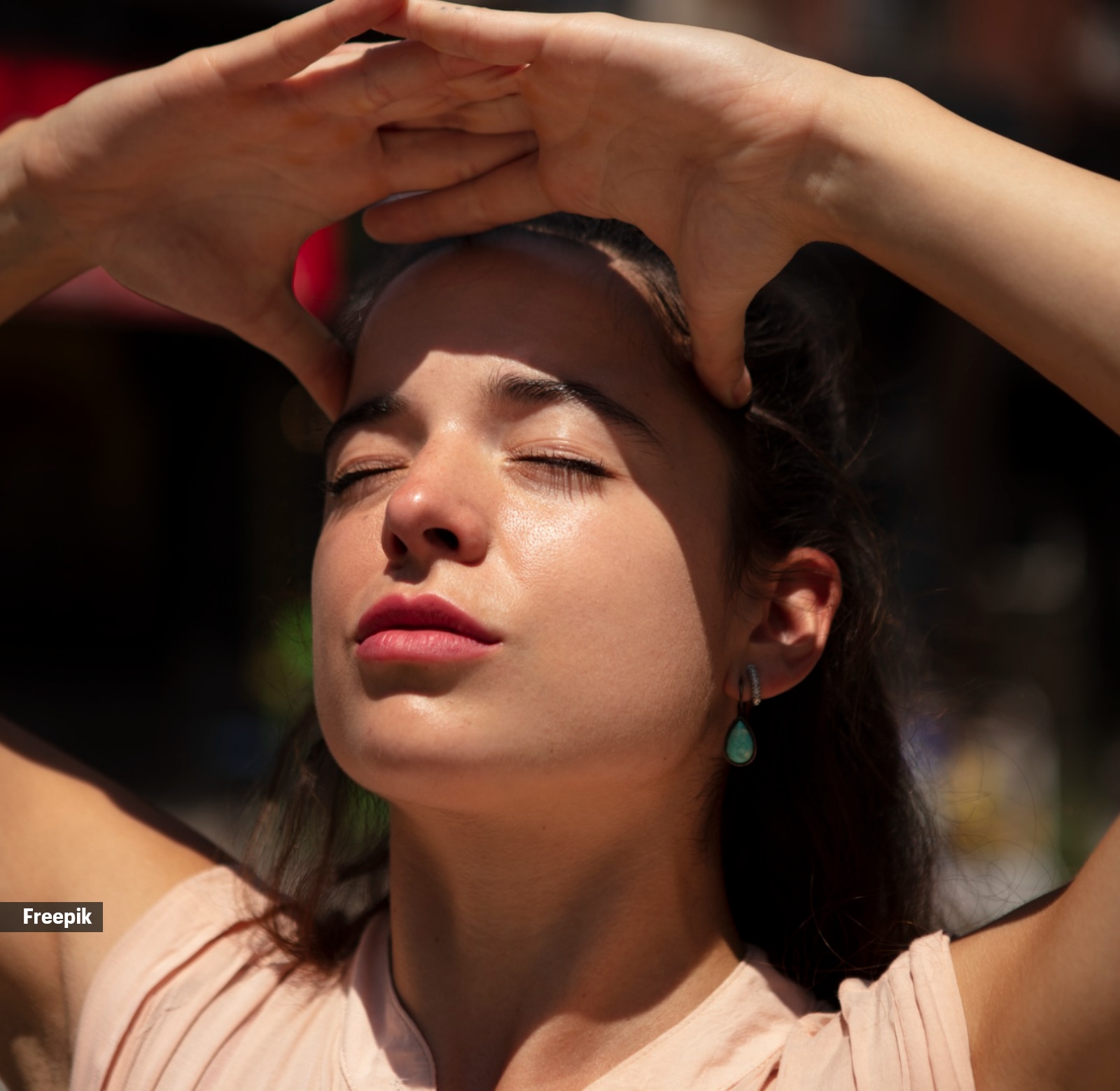 Representational photo (Photo: Freepik)
Dr Ugalmugle elaborated that there isn’t one sign that points solely to vitamin D, but many people notice a combination of body and mood changes.
“Fatigue, muscle aches, frequent infections, low motivation, and an unexplained sense of restlessness are common. If the anxiety started after long periods indoors, during winter months, or after lifestyle changes that cut down on sunlight, vitamin D becomes a suspect,” she added.
How much Vitamin D do adults need?
Most adults require around 600-800 IU per day, although the dosage may be higher when deficiencies need to be rectified, said Dr Ugalmugle. “Supplements help restore this balance, and once normalised, they often support improved mood, sleep, and energy. It works best with healthy habits instead of being a single fix.”
Story continues below this ad
And who is more vulnerable to Vitamin-D-related anxiety?
According to psychologist Bhosale, “Certain groups are more prone to deficiency—and therefore more likely to experience mood changes.”
High-risk groups include:
- Women (due to hormonal fluctuations and higher deficiency rates)
- Indoor workers (corporate employees, students, IT professionals)
- People with darker skin
- Individuals who cover their skin for cultural or religious reasons
- Older adults
- People with obesity
- Individuals with limited mobility or chronic illness
“These groups are not automatically anxious,” she noted. “But low vitamin D lowers emotional resilience, making stress feel heavier and harder to manage.”
Adding to it, Dr Ugalmugle explained, “Restoring vitamin D levels won’t magically erase anxiety, but it often helps people feel more grounded, stable, and emotionally balanced.”
DISCLAIMER:This article is based on information from the public domain and/or the experts we spoke to. Always consult your health practitioner before starting any routine.
