

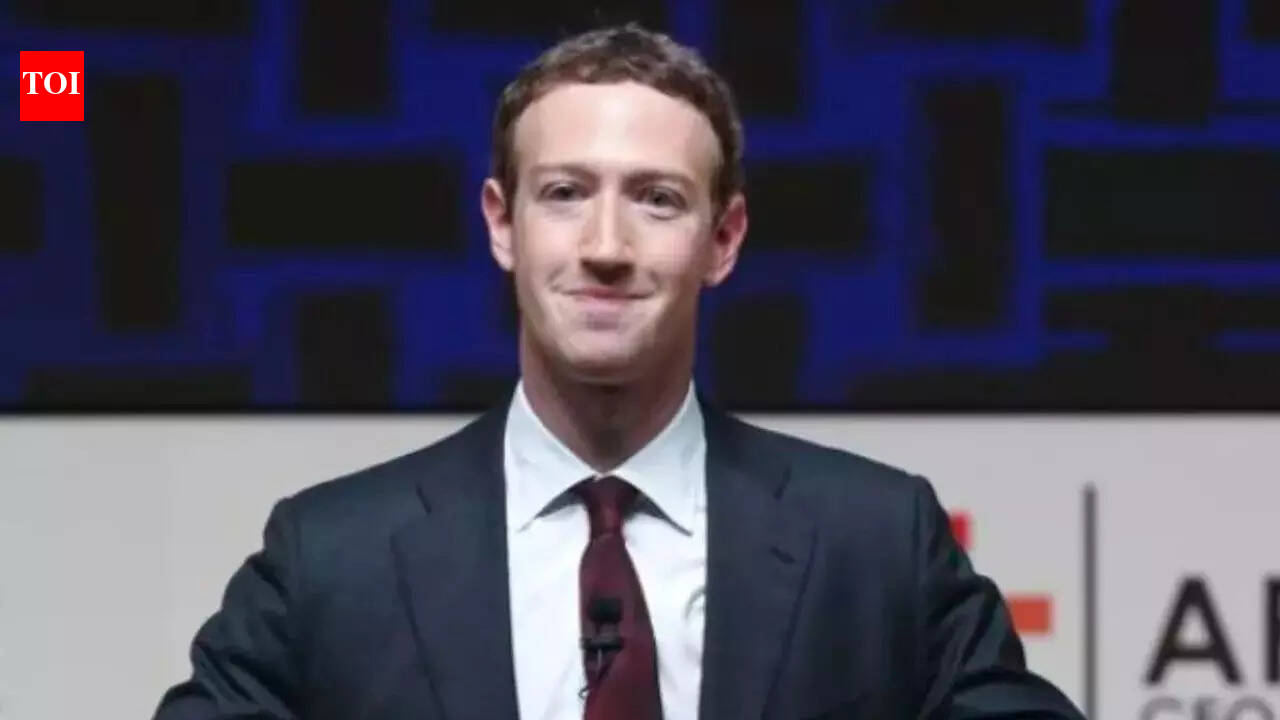
Anthropic CEO Dario Amodei didn’t name Mark Zuckerberg. He didn’t have to. Speaking at the World Economic Forum in Davos last week, Amodei drew a pointed contrast between AI companies led by scientists and those run by “the generation of entrepreneurs that did social media.” The timing was impossible to ignore—just weeks after Yann LeCun, the Turing Award-winning godfather of deep learning, walked out of Meta following reported clashes with Zuckerberg over the company’s AI direction.“There’s a long tradition of scientists thinking about the effects of the technology they built, of thinking of themselves as having responsibility for the technology they built. Not ducking responsibility,” Amodei said during the session titled “The Day After AGI.”He went further: “The way they interacted, you could say manipulated consumers is very different. I think that leads to different attitudes.”The implication was clear. Scientist-founders like himself and Google DeepMind’s Demis Hassabis build with caution. Social media entrepreneurs chase scale and sort out the damage later.
LeCun’s exit followed tensions over research priorities and a 28-year-old becoming his boss
LeCun spent over a decade building Meta’s AI research lab FAIR. But his vision for “world models”—AI that understands physical reality, not just text—clashed with Zuckerberg’s aggressive push toward large language models. When Meta’s Llama 4 flopped in April 2025 amid accusations of benchmark manipulation, Zuckerberg lost confidence in the team.He brought in Alexandr Wang, the 28-year-old Scale AI co-founder, through a $15 billion deal. Wang became LeCun’s manager.“You don’t tell a researcher what to do. You certainly don’t tell a researcher like me what to do,” LeCun told the Financial Times after leaving in November.He has since launched AMI Labs in Paris, pursuing open-source world model research with backing from European investors eager for a credible alternative to US and Chinese AI giants.Amodei’s Davos remarks carried a quiet verdict. Meta let one of AI’s founding minds slip away. That, he seemed to suggest, is exactly the kind of mistake a scientist would never make.
