

6 min readUpdated: Feb 5, 2026 08:07 PM IST
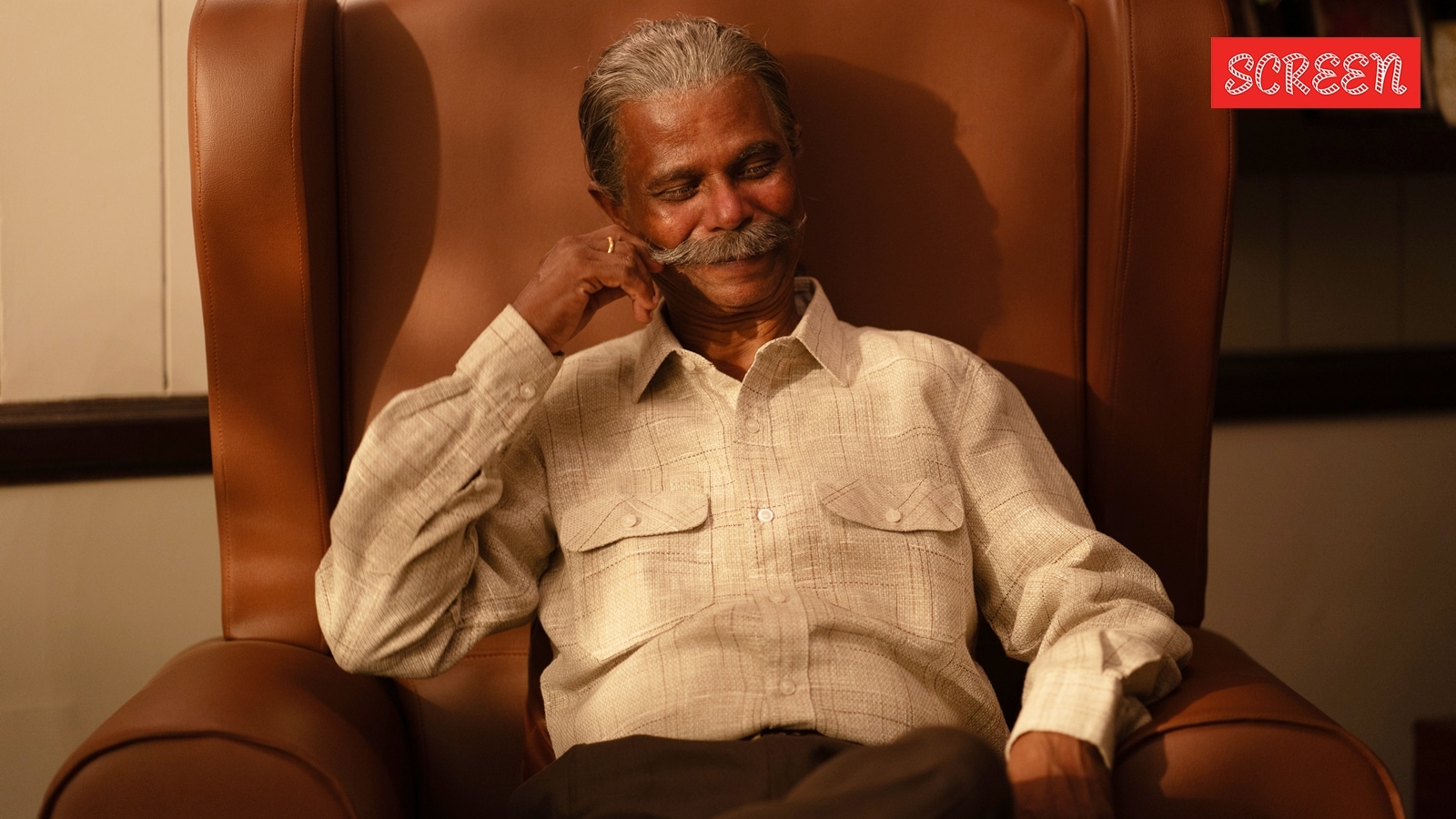
Aashaan movie review: How far would one go to prove their love for their favourite actor? Well, Aashaan (Indrans) might be undergoing a long dialysis treatment for his kidney issue, but his mind has refused to relent until his screen idol Kamal Haasan’s blood hasn’t been transfused into him. He will borrow money if need be, bribe middlemen, and in general, take many painstaking efforts to get the job done.
The same kind of effort also goes into realising another dream of his: of acting in a movie at least once in life. So, when the desperate Anandan (Joemon Jyothir) knocks on his door asking for permission to use his intriguingly designed apartment for a movie shoot, Aashaan’s eyes gleam up in hope. Why Anandan needs that specific Kochi building for the shoot is a story of its own. Turns out, the only way he can score the role of an assistant director under famed filmmaker K.R. Shajahan (or KRS, played by Shobi Thilakan) is by fulfilling a singular demand: finding an apartment that has a well inside it! Aashaan’s rotunda interiors offer that well-like look for the period horror-drama in the works, and he agrees to Anandan’s request for the bargain of a role in the film.

Johnpaul George’s Aashaan is the story of two wide-eyed dreamers existing in two starkly different phases of life. Anandan’s perspiring desperation stems from the fact that he has left home for a goal that doesn’t have many buyers. He might have nothing to lose as a young man, but to go up the rungs in an industry that comes with no free favours, he knows he ought to grab whatever comes his way. If that involves exploiting a fellow man, so be it, says Anandan.
In contrast, Aashaan has just the perfect life: post-retirement comfort, the love and respect of neighbours, and an overall goodwill that shouldn’t be jeopardised. Yet, his dreams beckon him like never before when a massive film crew lands at his apartment and dispenses the moviemaking magic that has always eluded him. KRS agrees to give him a minor role, that of a postman with a solitary dialogue, and the very dream comes to be within arm’s reach for Aashaan. Or does it really?
Aashaan is a meta exercise about the many vibrant aspects that go into the making of a movie. An entitled male superstar (played by Bibin Perumbilli) refuses to take off his wig. A perennially irate sound designer finds the acoustics of the apartment unfitting. A team of assistants scampers feverishly from one task to another, without getting any fair chance to learn the craft. A director has pledged his house as a last resort to save his waning reputation. Aside from Aashaan and Anandan, the film offers a fun albeit tender insight into the collective life of a movie set, one that banks on chance and chaos so much that all notions of glamour and bravado are fully thrown out of the window.
The first half, in particular, is effervescent and high on humour. Scenes showcasing the behind-the-scenes action of filmmaking are efficient in maintaining a good rhythm, while the interpersonal dynamics of the crew involved test morals and loyalties. Aashaan’s amiability being constantly exploited is overlooked by him only in the hopes of bagging the acting opportunity that he was deceptively promised by Anandan. The latter, in return, struggles to keep his sanity and temperament in check as pressures increase around him. Johnpaul George is mindful of treading a lighthearted path despite having an emotional core that boasts poignancy, yet one senses that something will give sooner than later. Comically so, that moment occurs in the form of Aashaan’s performance that doesn’t fare the way he always imagined.
Story continues below this ad
And this particular portion of canning that innocuous scene becomes the film’s highlight. From Aashaan incessantly practising the lone dialogue, “It was raining outside”, to the superstar actor feeling insecure about his popularity among the apartment residents, a sense of something dramatic swirls in the air. It helps that a comedic talent like Indrans knows exactly how to communicate the woes of a non-professional actor, without ever caricaturing the character. Indrans’ empathetic portrayal becomes the fulcrum of the film, which fittingly wants to underline the importance of sincerity and innocence in the process of creation.
At the same time, the writing fails to fully capitalise on its many exciting ideas. A significant turn of events during the interval block nudges the second half in a rather enterprising direction, forcing Anandan and Aashaan to come together to make a film of their own. The whys and hows behind this new direction form the crux of the story, but it comes with promise nevertheless to make a strong case for the underdog. Yet, the potential behind it all feels a tad unrealised when the writing starts to outline its core themes, instead of exploring them to some depth.
Consequently, the last stretch of the film is left way overcooked, even while coming across as earnest. As things finally align for the two protagonists, Johnpaul’s own ambition starts to grow unchecked. A major chunk of the second half traces the film put together by the two men, and as much as the efforts, shown elaborately as the film (within the film) about a Kathakali dancer’s fateful life, impress us, the question of convenience comes begging; Was it so easy, after all, for Anandan to make a film worthy of film festival screening? Aashaan, ultimately, is a good-natured film that rarely lets us down, and it brims with heartfelt moments from start to finish. It tugs at our heartstrings without trying too hard, but in that pursuit, it unfortunately also lets go of a stronger, more meaningful story.
