

4 min readUpdated: Feb 9, 2026 07:46 PM IST
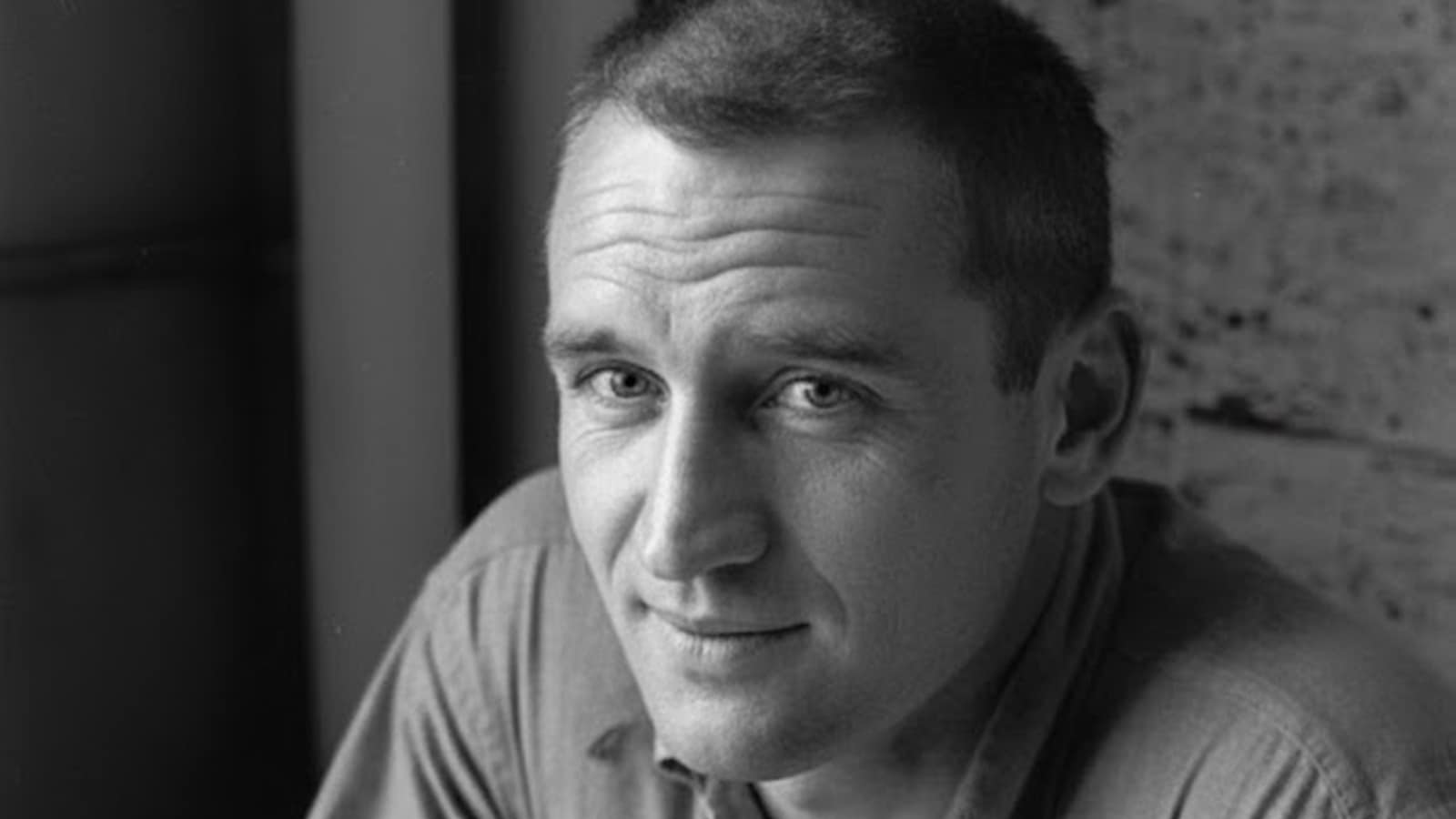
On February 8, Neal Cassady would have turned 100. His name rarely appears alone on book spines, yet his presence runs through some of the most influential writing of the 20th century. Cassady mattered because of how he lived – which is at full speed – and because that way of living reshaped the work of the writers around him.
He was a muse to Jack Kerouac and Allen Ginsberg, pioneers of the Beat Generation. He showed them what it looked like to think, feel and move without restraint. Kerouac immortalised him asDean Moriarty, the kinetic heart of On the Road. To Ginsberg, he was a lover and a muse, later named the “secret hero” of Howl.

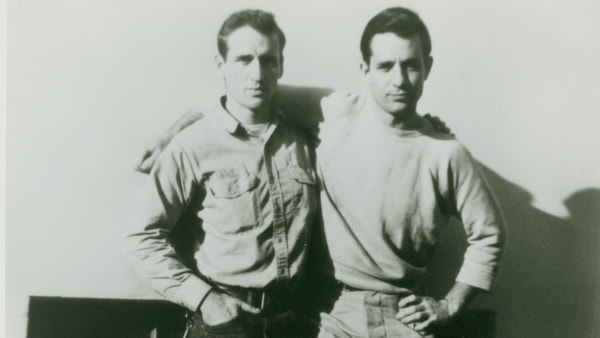 Neal Cassady and Jack Kerouac. (Photo credit: Instagram/@kerouacestate)
A life in flux
Born in 1926 in Salt Lake City, Cassady entered a life already in flux. His family was traveling when he was born, and movement remained a constant. His mother died when he was 10. His father drank heavily and they drifted through the American West, poor and unstable. Cassady learned early how to survive through energy and charm. He was bright, athletic and curious, with a hunger for books that matched his appetite for experience.
As a teenager in Denver, he lived fast. He stole cars, landed in reform school and spent time in jail. At the same time, he read widely and taught himself to write. His prose was rapid, intimate, and emotionally exposed. He trusted momentum more than revision, believing that truth appeared when language kept moving.
That quality electrified the writers he met in New York City in 1946. Cassady talked endlessly, confessed freely and listened closely. His letters arrived in torrents. One long letter he sent Kerouac in 1950 had a lasting effect. Kerouac later described it as a revelation, proof that prose could flow like thought itself. The letter helped unlock what Kerouac would call “spontaneous prose,” a style that shaped a generation.
Cassady, meanwhile, struggled to shape a life as fluid as his language. He married more than once and had children he cared about deeply, even as he drifted away from them again and again. He wanted freedom and also wanted stability. He worked for years on the railroad, talked about settling down and then felt the pull of movement return. The tension between those desires followed him everywhere.
Cost of living on the road
Beat mythology often celebrates the road as liberation. Cassady lived the cost of that ideal. While he drove across the country and vanished for long stretches, others created the homes he returned to. His second wife, Carolyn Cassady, built a domestic life that made his wandering possible. The freedom he embodied rested on forms of care that remained largely invisible in the stories told later.
Story continues below this ad
By the late 1950s, Cassady was a drug-user and spent time in prison. Friends watched him exhaust himself, chasing intensity while searching for something steadier beneath it. When the counterculture of the 1960s took shape, Cassady joined Ken Kesey and the Merry Pranksters, driving the bus called Further across the country. Once again, he animated the journey through talk, laughter and speed.
In February 1968, in San Miguel de Allende, Mexico, Cassady attended a party, drank heavily and wandered into the night. He was found hours later near railroad tracks, unconscious, and died later that day. He was 41.
After his death, pieces of his writing finally appeared in print, most notably in The First Third. The pages reveal a sharp eye, emotional daring and a natural sense of rhythm. They also show a man who wrote as he lived, always pushing forward, rarely looking back.

© IE Online Media Services Pvt Ltd
