

4 min readUpdated: Feb 11, 2026 10:35 PM IST
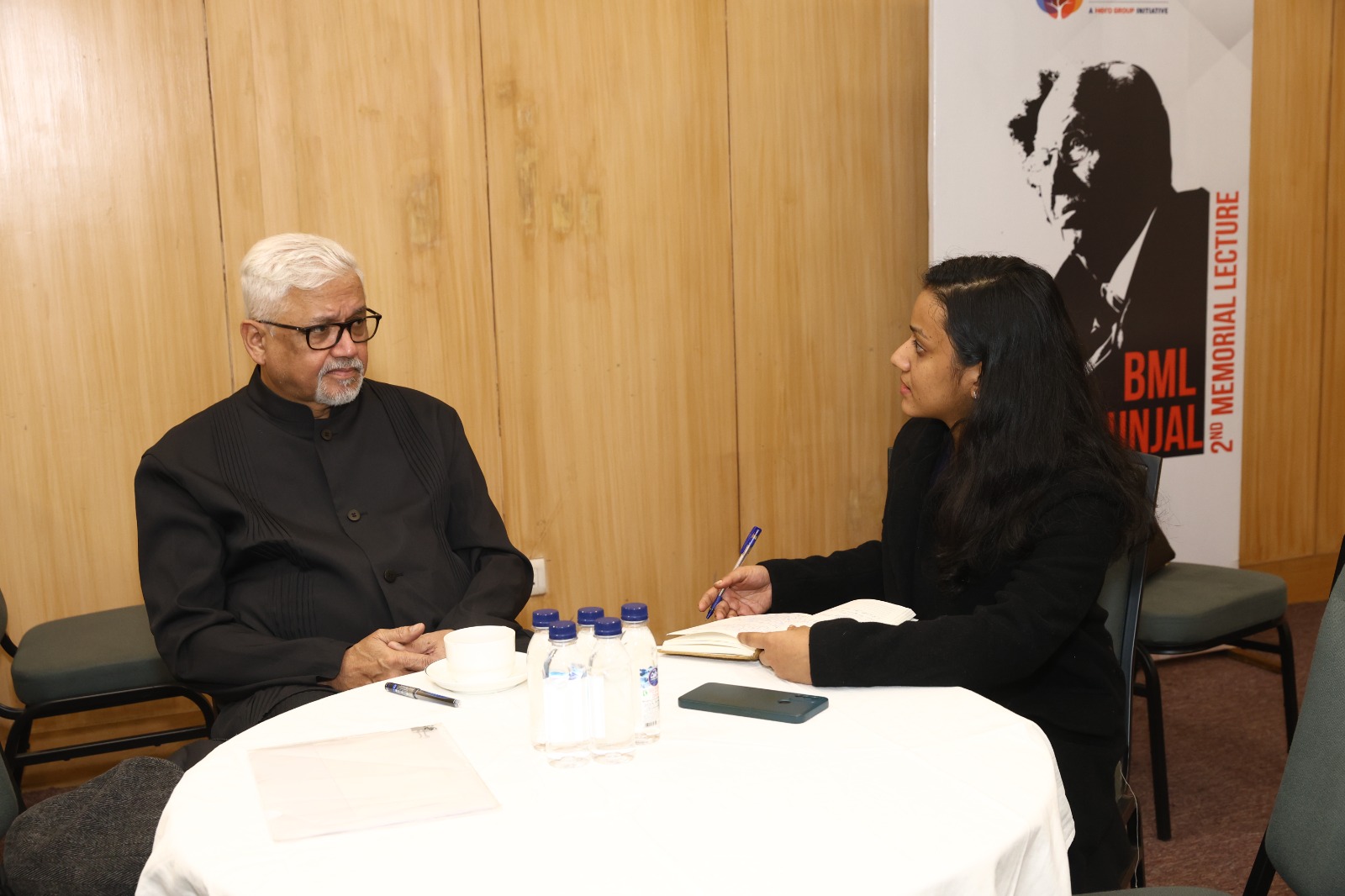
As the Air Quality Index in New Delhi continued to be in the “poor category” last week and hospitals in the capital reported a spike in respiratory issues, novelist and essayist Amitav Ghosh sat down with The Indian Express Online for a conversation on the climate crisis, his latest novel Ghost-Eye, and the glaring economic disparity in society.
Calling the pollution in Delhi “worse than US tariffs,” Ghosh sought equity and treatment of the climate crisis as a matter of justice. The conversation was held on the sidelines of the second edition of the BML Memorial Lecture at India International Centre, New Delhi.

The US had stepped out of the Paris Accord, and those in Western developed nations live without suffering the adversities of the climate crisis compared to those living on the streets of India. What is your view on this disparity?
Ghosh: The climate crisis, in the first instance, is a crisis of justice. The developed nations got rich by poisoning the atmosphere. And now we are doing it ourselves—perhaps on an even larger scale—but we are also paying the price. The worst affected, even within a country, tend to be the poor and vulnerable. As long as some sort of equity is not introduced into the whole picture, I think it will be hard to change the dynamic.
It is a cause for despair. Obviously, the people who are building giant skyscrapers have to work under terrible conditions. It is very hard on them, and it is, fundamentally, a question of justice.
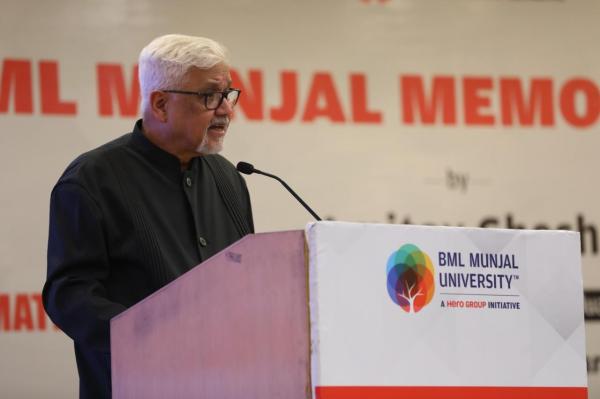 Amitav Ghosh at the second edition of the BML Memorial Lecture at India International Centre, New Delhi.
You have lived in Sri Lanka, Bangladesh, New York, and India. How well do you think people are sensitised to the climate crisis in those countries?
It is not right to say there is a ‘climate crisis.’ That is to reduce a very complex phenomenon to just one vector of the problem. Just as bad as the climate crisis, there is an interlinked crisis of biodiversity loss and species extinction. There are many crises.
Especially in countries like Sri Lanka and Bangladesh, people are much more sensitised to the climate crisis than we are in India. This is certainly the case in Bangladesh, where the government itself is very forward-leaning on sensitising the people to the climate crisis.
Story continues below this ad
This is especially true of Sri Lanka. Sri Lanka just had its devastating floods. Simply owing to their geography, certain countries are surrounded by the ocean and suffer from natural disasters; they become vulnerable. Italy, for example, which is a long peninsula, has been significantly affected by the climate crisis.
You have returned to fiction with Ghost-Eye, which blends themes of cultural amnesia, ecological concerns, and the conflict between rootedness and migration – themes you have explored in your earlier work.
Ghosh: I have always thought of myself primarily as a writer of fiction. Writing the was a calling. I had all the material on this. Apart from that, I felt I had a duty to do it. I don’t think anyone else really has as much material as I have on this topic, especially on opium history. Also, a lot of work went into The Nutmeg’s Curse, so I felt I had to write it. I was waiting to come back to writing fiction. It has been such a pleasure to be doing that again.

© IE Online Media Services Pvt Ltd
