

4 min readPuneFeb 10, 2026 10:26 PM IST
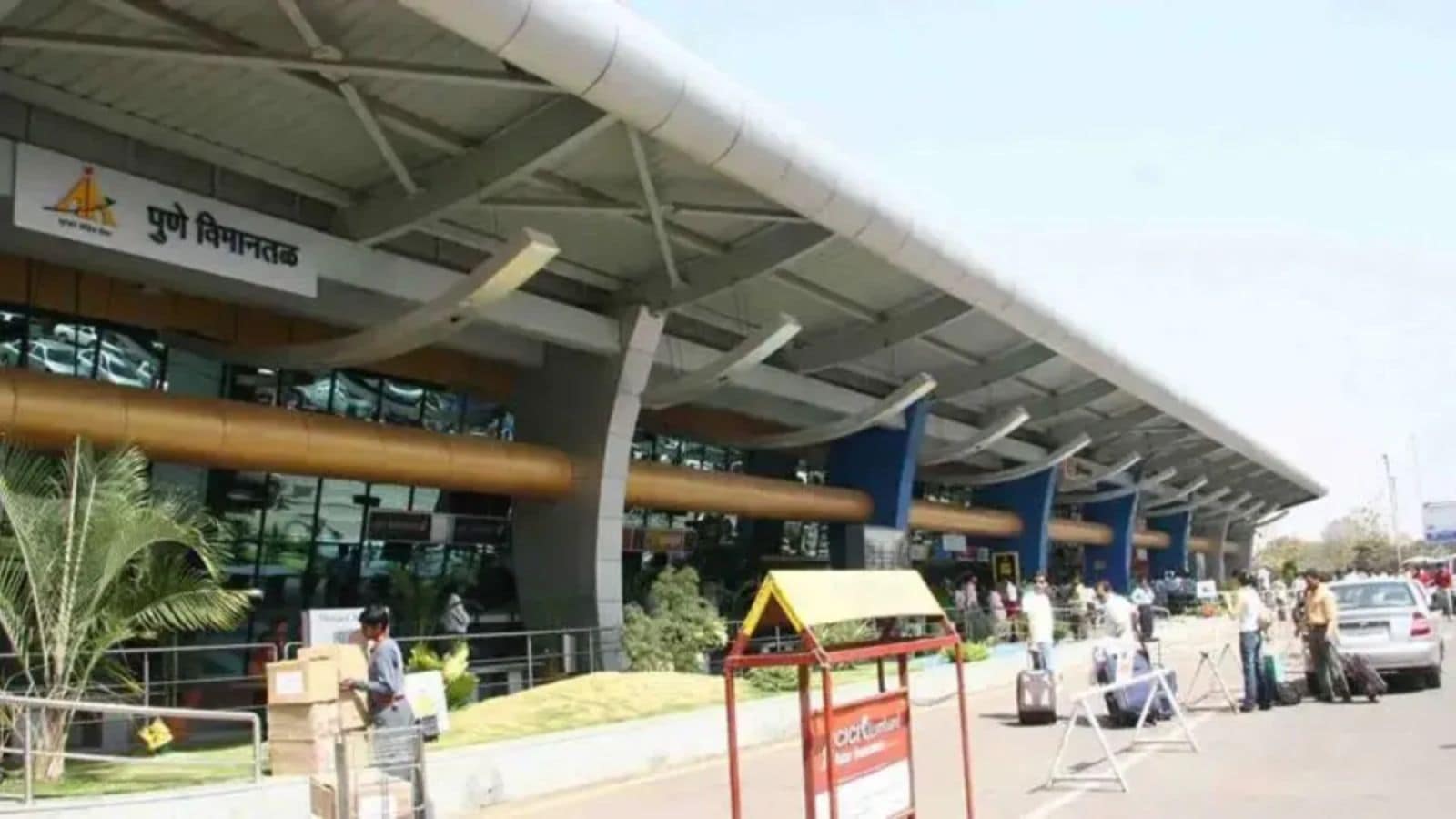
International travellers flying out of Pune or arriving from abroad could soon avoid lengthy queues at immigration desks. Union Minister of State for Civil Aviation, Murlidhar Mohol, has announced plans to introduce the Fast-Track Immigration facility at the Pune airport.
Mohol said, “Since immigration falls under the home ministry’s domain, discussions have been initiated with them to bring a faster immigration process for Pune.”

The union government first launched the Fast Track Immigration-Trusted Traveller Programme (FTI-TTP) at Indira Gandhi International Airport (IGI), New Delhi, in June 2024. Two months later, it was extended to seven more airports: Chennai, Kolkata, Bangalore, Hyderabad, Cochin, Ahmedabad, and Mumbai.
FTI-TTP aims to facilitate international mobility with faster, smoother and secure immigration clearance. The provision has been made for Indian nationals and foreign nationals holding Overseas Citizen of India (OCI) cards.
In September last year, Union Home Minister Amit Shah expanded it to five airports, including Kozhikode, Tiruchirappalli, Amritsar, Lucknow, and Thiruvananthapuram. This brought the total number of airports with the system to 13, including major ones like Mumbai, Delhi, Bengaluru, Ahmedabad, and Hyderabad. The technology uses automated e-gates to speed up immigration for pre-verified passengers.
While launching five new airports last year, Shah had said, “Travellers will no longer experience long queues or manual checking and will receive immigration clearance in just 30 seconds without delays.”
Currently, Pune airport operates four flights to Bangkok and Dubai, serving roughly 30,000 passengers a month. Last year, the Pune airport witnessed a considerable rise in international traffic, over 3.38 lakh passengers compared to about 2.05 lakh the previous year, marking a 65 per cent increase.
Story continues below this ad
Frequent flyers welcome the prospect of faster immigration processing. Vinay Sawant, a Bhosari-based industrialist who travels internationally often, shared his frustration with the current setup. “There have been times when only one or two immigration counters were open, causing delays. And I’ve seen how efficiently this system works at other countries’ airports. Pune definitely needs it as soon as possible.”
Sawant added, “After long-haul flights, flyers naturally want to get home quickly. But limited immigration counter availability adds more time. So introducing the Fast Track system would reduce the waiting time, eventually improving passenger experience.”
An immigration official, who wished not to be named, pointed out an operational challenge that adds to the delays. “After an international flight lands, it cannot vacate its parking bay until all passengers have cleared customs check. This is a security measure due to cases of smuggling incidents where contraband, like gold, was hidden inside aircraft. Even cleaning crews must wait for clearance from authorities before starting their work,” he said.
With only 10 parking bays available, Pune airport has occasionally faced situations where incoming flights couldn’t get landing clearance because no bays were free. With these challenges, the implementation of FTI-TTP could significantly ease congestion.
Story continues below this ad
The Fast Track system can be accessed through ftittp.mha.gov.in. Registration involves filling out an online form and uploading necessary documents. Biometric data is collected either at the Foreigners Regional Registration Office or during the first airport visit after registration.
“The FTI-TTP system is very swift, and there’s very little waiting time. Passengers need to place their boarding pass first, and then their passport, which allows them entry through e-gate 1, following which they need to verify biometrics on e-gate 2, and the immigration process is complete,” an airport official said. However, those travellers who may be required by law enforcement agencies and courts to join investigations can be suspended from this programme even after enrolment.
