

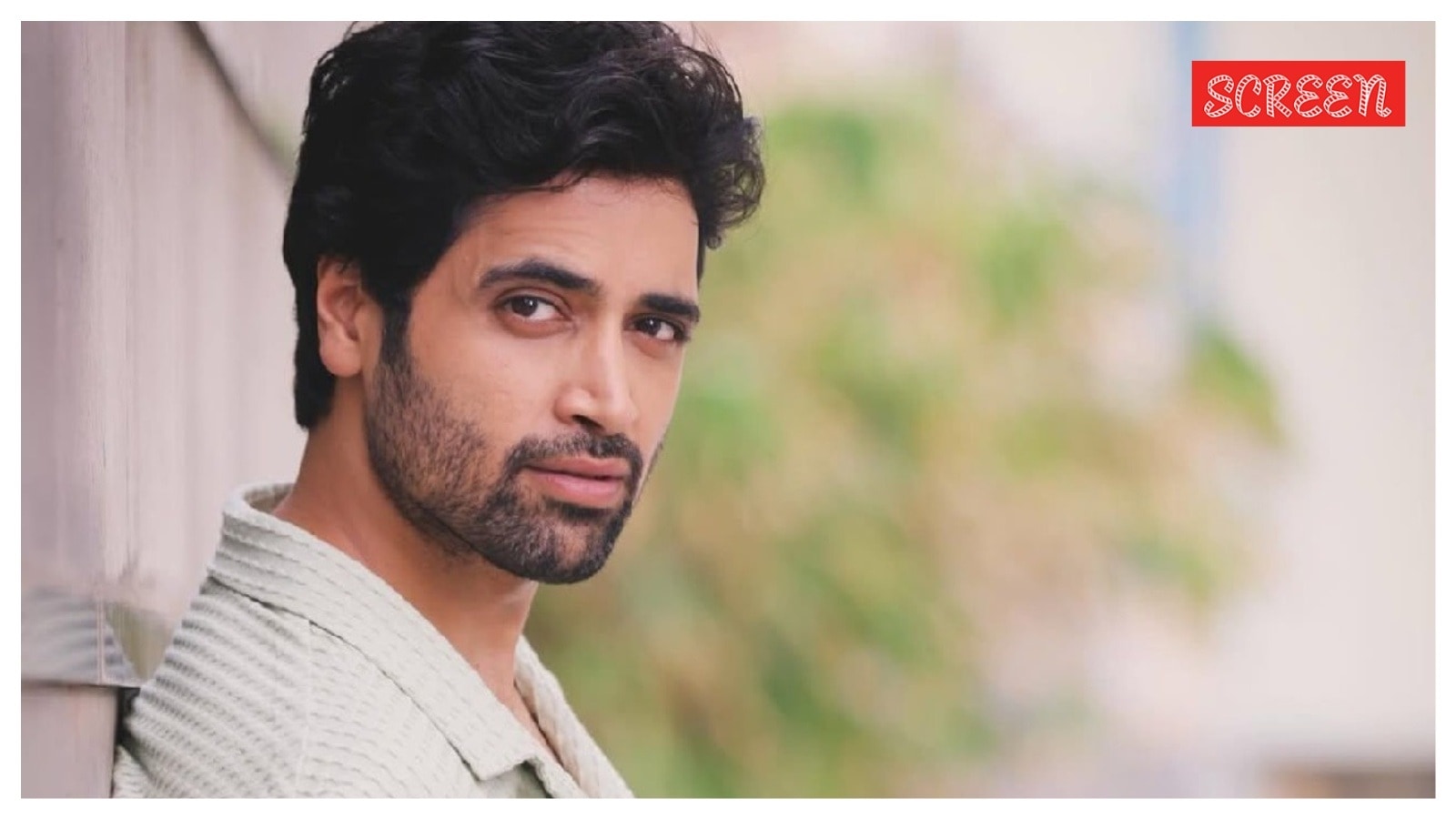
Adivi Sesh may be a pan-India star now with Major (2022) and Goodachari (2018), but he had to travel a long road to get there. Having been raised in San Francisco in the US, Sesh had his share of struggles before he could break into the Telugu film industry, which is dominated by legacy film families. In this edition of SCREEN Spotlight, the actor-writer-producer talks about his journey, influences of Ram Gopal Varma, and his short stint on the sets of SS Rajamouli’s Baahubali: The Beginning (2015).
Ram Gopal Varma had a huge role to play in you becoming an actor after you watched Satya (1998), right?

Oh yeah, he was extremely influential. It was at the time of Company (2002) that I thought I’d come to India and become a hero in a cutting-edge Ram Gopal Varma gangster film (laughs). I didn’t know that’s not how it happens. Try explaining that to a 15-year-old. In the world cinema class at my college, I showed Company as an example of what India can do. Because they used to constantly say, “You guys do only music, right?” I said, “Nahi bhai, dekh le“. I’ve seen Rangeela (1995) 47-48 times, and he (Varma) is the reason I became a fan of Aamir Khan. I think he showed us all the way.
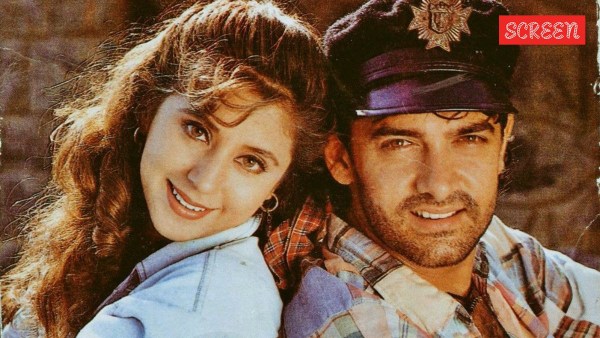 Rangeela, starring Urmila Matondkar, Aamir Khan and Jackie Shroff, turned thirty on September 8 and is now releasing in theatres.
Is working with RGV then still on the wish list?
For me, as you grow older, it’s really about working with someone as much as it’s about working with a great idea. A great idea is bigger than any person. And a great idea can make for a great film.
Since you grew up in San Francisco before working in Telugu films, have you felt like an outsider?
I grew up in the US at a time when the IT invasion hadn’t happened yet. There were no Telugu people there. There were mostly Punjabis and Gujaratis. Psychologically, I’d compartmentalized it like talk to parents in Telugu, Indian friends in Hindi, and American friends in English. The same year I’d come to Mumbai to audition for Ram Gopal Varma, I’d seen an open casting call for a serial in the newspaper. I didn’t even know what a serial is because it was called a TV show in the US. So, after reading the lines in the audition, they asked, “Where are you from?” When I said San Francisco, they said, “Yes, there’s an American accent in your Hindi.” The next week, I went for an audition to the same place, I told them I’m from Hyderabad. So they said, “Oh ya, that’s why there’s a South Indian twang to your Hindi” (laughs). So, I was too Indian for America, too American for India, too North Indian for South India, and too South Indian for North India.
Story continues below this ad
Was it tough to break into the Telugu film industry since it’s such a film family-oriented ecosystem?
Honestly, even if you go to an Indian village, the son of a doctor becomes a doctor only, and a farmer’s son becomes a farmer. So, I think we’re a nepo country (laughs). But audiences don’t care. They’re interested if you do something that others are not. Now more than ever before, it’s very democratic. My luck is I earned respect of a lot of these film families from the first day itself. A lot of them have supported me. Like Mahesh Babu produced Major. Dacoit is being produced by Annapurna Studios (owned by Nagarjuna and family). My friend and favourite actor Nani produced Hit: The Second Case. So, it’s a matter of respect more than anything.
Speaking of Major, there’s an entire fan following of your pairing with Sobhita Dhulipala. How was the experience of working with her in both Major and Goodachari?
She’s a dear friend. She’s extremely honest and picky. She knows her craft really well. She can act in Major and Dev Patel’s Monkey Man (2024) within the same month, do a Malayalam film the next month, and still bring a certain level of gravitas to what she does. So many people make it about just her looks and hotness, but she’s really an incredible performer. She actually joked, “I’m Sameera (in Goodachari), then her twin sister Humaira comes back for revenge”. I told him that’s not how it works, that’s not G2 (laughs).
Story continues below this ad
But you are reuniting with Prakash Raj in both Dacoit and G2 after Goodachari and Major. How has that association been?
It’s been a long partnership with Prakash Raj sir. We live very different lives and have very different politics, but I have great love for him as a person and for his artistry. It was extraordinary how he supported us on Major. He was like a walking hoarding. I’ll always be grateful for the immense appreciation he’s shown for the film. Prakash Raj sir was the engine of Major, and Revathy ma’am was the soul. I just fall at her feet whenever I see her.
You had a minor yet key role in SS Rajamouli’s 2015 action fantasy epic Baahubali: The Beginning as Bhallaladeva’s (Rana Daggubati) son. How much of a learning ground was that?
Story continues below this ad
My learning from that set was extraordinary. One day, they were really struggling to erect this big Bhallaladeva statue. I remember Rajamouli sir put his hands on Rama (wife, costume designer) ma’am’s shoulders and say, “This film will work, no?” (laughs). So, it was so incredible to see this master filmmaker have the same pressures we all feel. I realized what makes him masterful is how he goes across that bridge with resilience and strive for his art. I kid you not, I’m happy to outwork anybody on my set. I’d forever be the hardest worker on my set. And the day I’m not, I won’t make movies.
