

3 min readNew DelhiFeb 12, 2026 11:00 PM IST
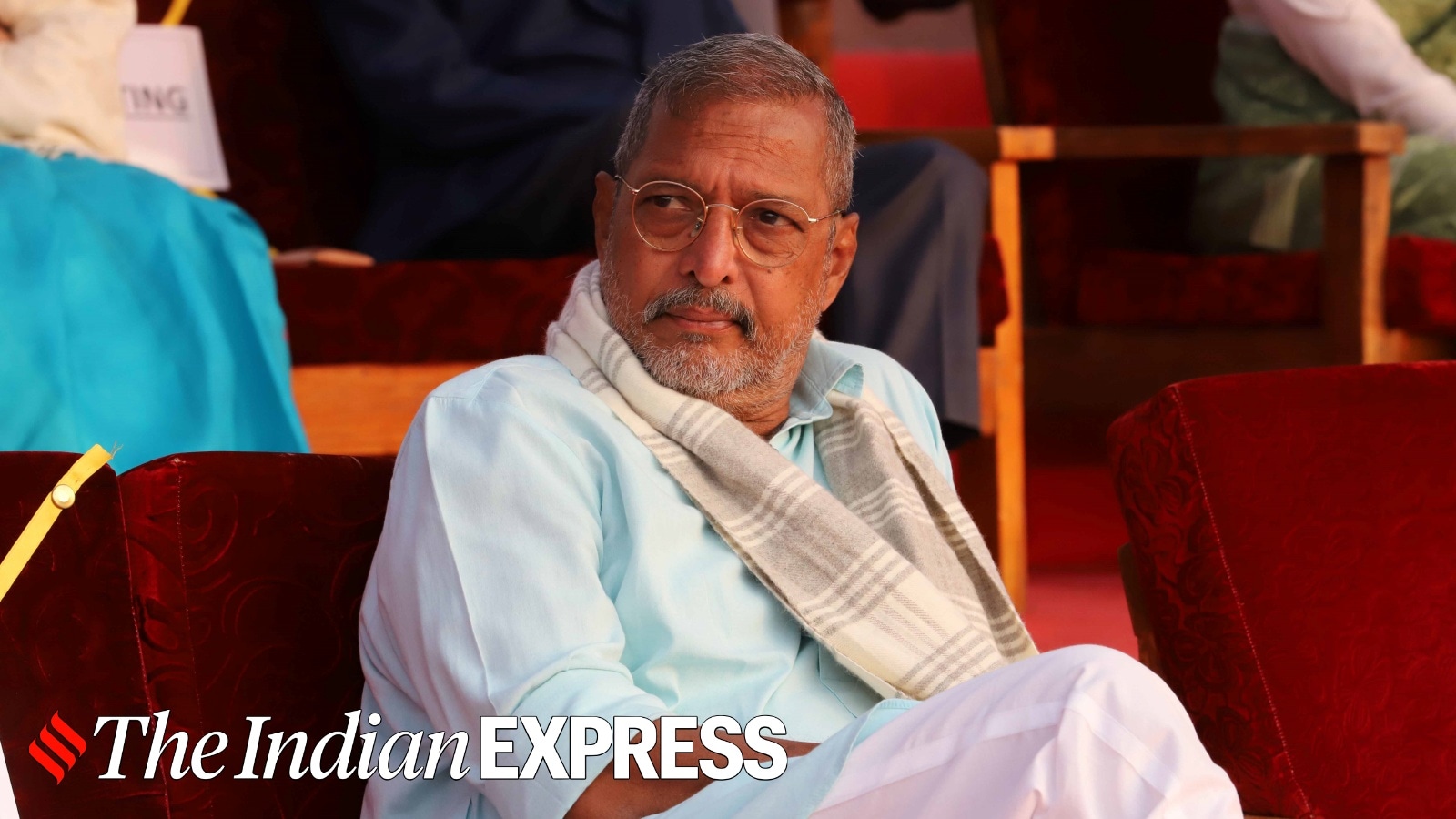
Nana Patekar once again proved why he is known for his intense commitment to his craft. The actor, who is awaiting the release of his upcoming film O’Romeo, recalled shooting a demanding action sequence despite running a high fever of 102 degrees.
The film, directed by Vishal Bhardwaj, features a high-octane action scene set on a train. Recalling the incident, Bhardwaj revealed that the team became concerned when they learned about Patekar’s health condition during the shoot.

“Suddenly, while we were shooting this action sequence in the train, I got to know that Nana Sir was unwell and had a 102-degree fever. We immediately called the doctor, who said he would give an injection but advised that Nana Sir should not shoot,” the filmmaker told Peeping Moon.
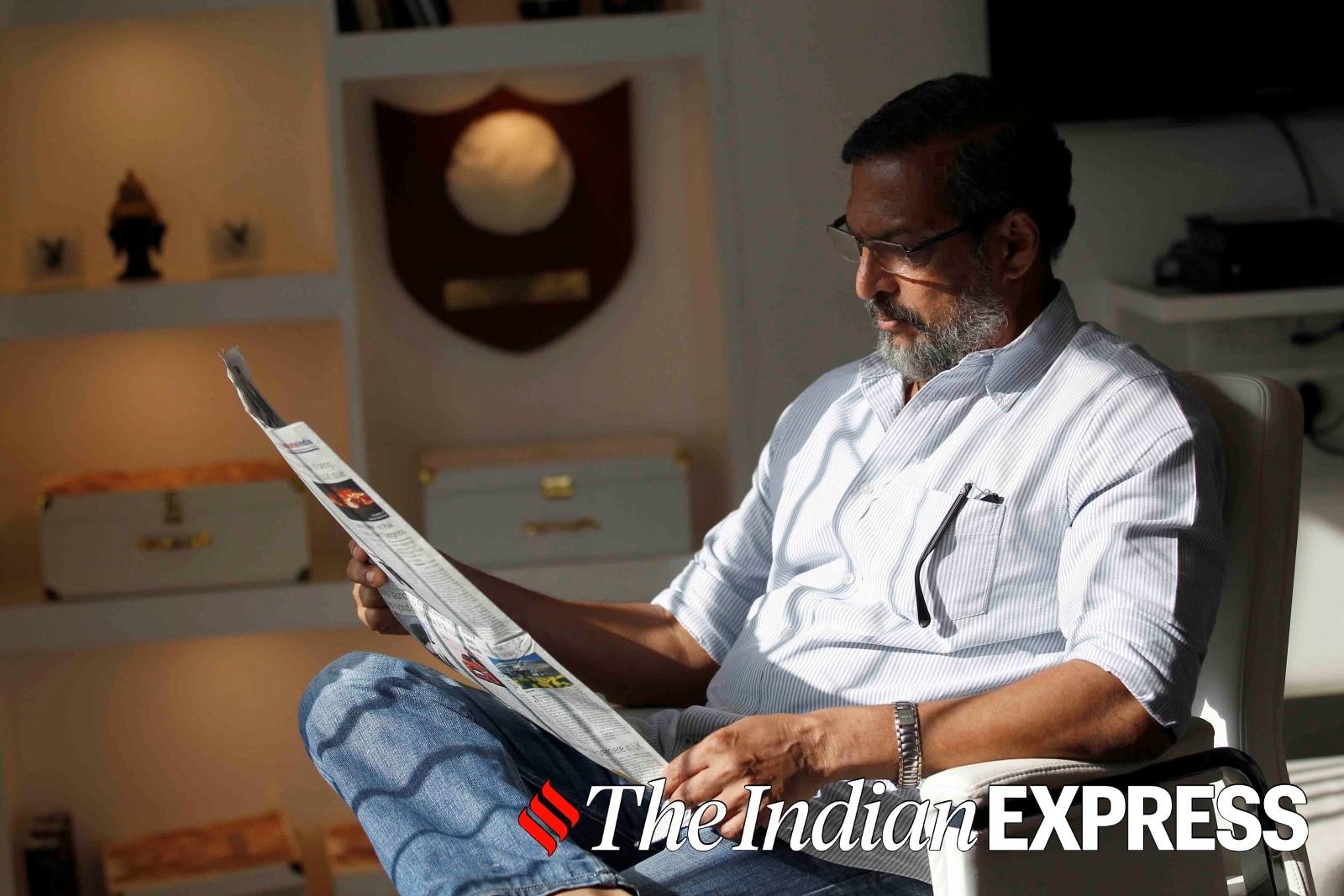 “Between shots, he would lie down on the train set, and when he got up to perform, it felt like jaise bimaari thi hi nahi,” Vishal Bhardwaj revealed
However, Patekar was firm about completing the scene. “But Nana Sir, being Nana Patekar, said, ‘No, I am not going back. I want to shoot. I want to complete this sequence. I can’t take this on my head ki mere wajah se shooting cancel hui, location cancel ho,” Bhardwaj recalled, adding that the actor continued shooting for the next four hours.
Describing the intensity of the moment, he said, “His body was so warm that we could feel the heat when touching his forehead. Between shots, he would lie down on the train set, and when he got up to perform, it felt like jaise bimaari thi hi nahi. This is the commitment of a great artist.”
Why rest feels hard for high-pressure performers
While such stories are often celebrated as examples of dedication, mental health experts point out that this behaviour is deeply rooted in psychology.
Explaining why some people push through illness despite medical advice, Dr Anitha Chandra, Consultant – Psychiatry, Aster CMI Hospital, Bangalore, says, “Some people feel compelled to push through illness or pain because they strongly link their self-worth to being productive and dependable, so resting makes them feel weak, guilty, or lazy.”
Story continues below this ad
She adds that upbringing and work culture play a big role. “They may have grown up learning that hard work and endurance are more valued than listening to the body. Fear of missing opportunities, letting others down, or losing control can also push them to keep going even when unwell.”
According to Dr Chandra, this mindset is often shaped by both internal and external forces. “This kind of behaviour is usually driven by a mix of personal values and external pressure. Some people have strong inner values like responsibility, discipline, and perfectionism, while external pressure comes from expectations at work, financial stress, and praise for ‘never giving up’.”
“When these outside pressures match a person’s inner beliefs, the urge to keep going becomes even stronger,” she says, adding that over time, people may stop questioning the behaviour and see it as normal, even when their body clearly needs rest.
