

5 min readNew DelhiUpdated: Feb 21, 2026 09:53 AM IST
Meghalaya High Court news: Observing that the “justice system” is not a “purchasable commodity”, the Meghalaya High Court dismissed a plea of a man seeking to quash criminal proceedings for rash and negligent driving.
ARTICLE CONTINUES BELOW VIDEO
Chief Justice Revati Mohite Dere was dealing with a plea of a man who was seeking relief on the premise that he had settled the case with the legal heirs of the victim’s family.

“The criminal justice system is not a purchasable commodity,” the court said on February 9.
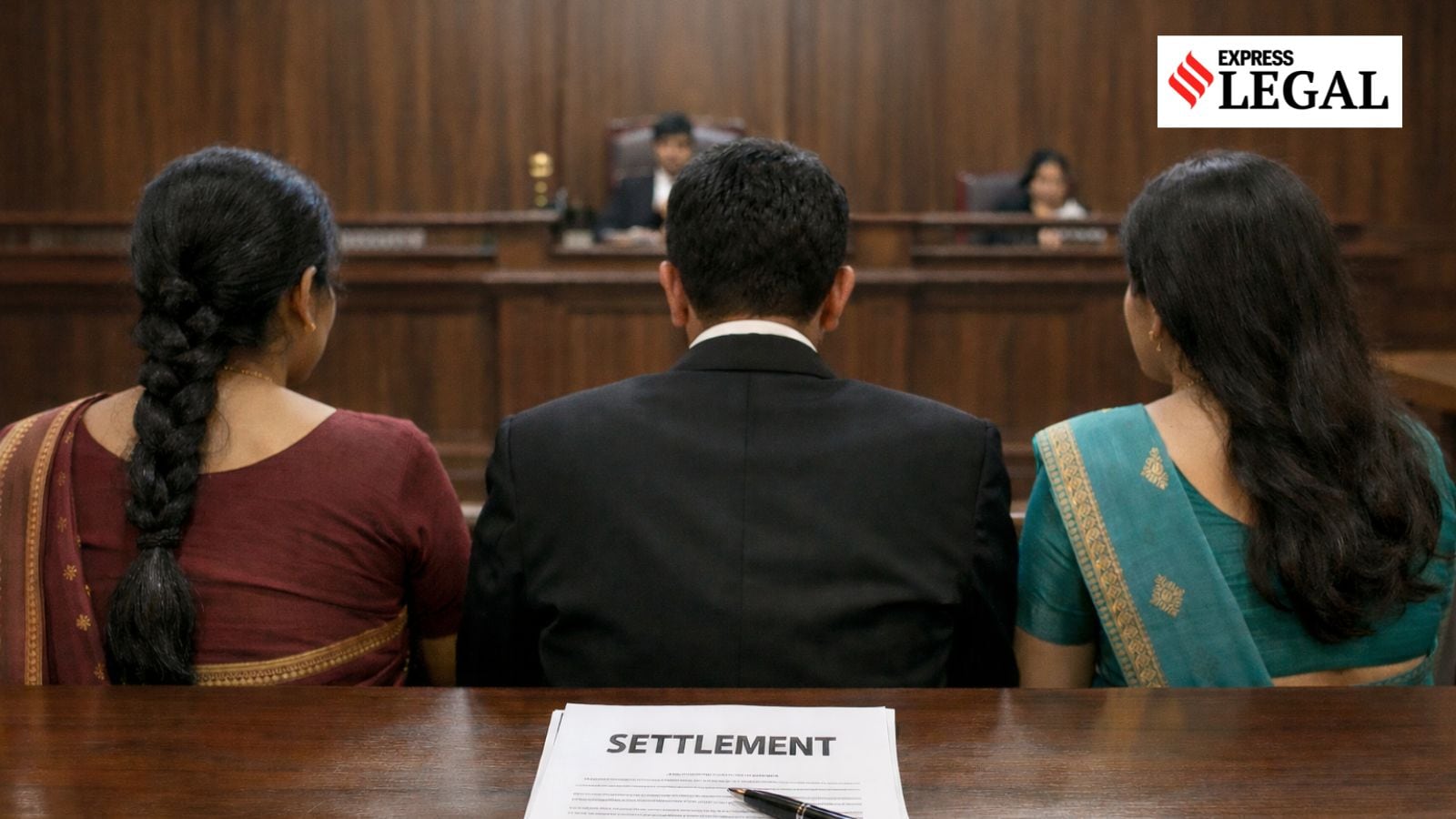
 Chief Justice Revati Mohite Dere said that in cases of death, the “real victim” is the deceased, who is no longer capable of giving consent to a settlement. (Image enhanced using AI)
The order added that where there are serious public wrongs and where the society as a whole has a stake, the justice delivery system cannot be put at naught by the accused, only because of his/her financial capacity/position in society.
Highlighting the public confidence in the justice delivery system, the court said, “There cannot be misplaced sympathy, based on a settlement between the legal heirs of the deceased and the accused.”
Case of rash driving, death, and settelemet
- The matter arose from the incident on 18 March, 2025, when the petitioner was driving a vehicle that allegedly veered onto the wrong side of the road in East Khasi Hills, colliding with a scooter driven by the victim.
- Victim sustained grievous injuries and subsequently succumbed to them.
- Following an investigation, the Rynjah Police Station filed a charge-sheet against the petitioner for offences punishable under Sections 106(1) (causing death by negligence, imprisonment for 5 years and fine), 125(b) (act endangering life or personal safety of others), and 281 (rash driving or riding on a public way) of the BNS.
- During the pendency of the trial before the trial court, the petitioner settled with the wife and the mother of the victim.
- The legal heirs filed affidavits stating they had no objection to quashing the FIR, leading the petitioner to approach the high court.
‘If settlement permitted, shatters faith in judicial system’
- If faith in the public justice delivery system is to be maintained, any compromise between the accused and the legal heirs/representatives of the deceased under Section 106(1) (causing death by negligence)of BNS cannot be sustained.
- The jurisprudential foundation for quashing criminal proceedings based on a compromise essentially rests upon the absence of any grievance by the victim concerned as against the accused.
- Section 106(1) of BNS pertains to death caused by a rash and negligent act.
- The deceased, who is the real victim, is no more and is incapable of giving his consent; the question of a settlement between the accused and the legal heirs of the deceased would not arise.
- If such a compromise is permitted on the ground of mutual accord, the same would not only undermine the public confidence in the justice delivery system but would also ultimately shatter the faith of the public in the judicial system.
‘Consent of victim is essential’
- Section 106 (1) of the BNS is not compoundable, and as such, parties cannot settle the said offence through compromise either privately or with the permission of the court.
- The powers of the High Court to quash criminal proceedings based on a settlement are materially different from compounding an offence in terms of Section 359 (compounding of offences) of Bharatiya Nagarik Suraksha Sanhita (BNSS).
- The plenary powers vested in the high court under Section 528 of BNSS are to be exercised with utmost care and circumspection.
- It is also clear that an FIR/criminal proceeding can be quashed based on compromise/settlement, where the dispute/offence is essentially private in nature, and continuation of the criminal proceeding would be an exercise in futility.
- For settlement/compromise, the consent of the victim is essential, rather than sine qua non.
- Quashing of a criminal proceeding based on compromise rests essentially upon the absence of grievance by the victim against the accused.
- Proceedings under Section 106(1) of BNS where the deceased is no more cannot be quashed based on a compromise/settlement having arrived at between the accused and the legal heirs/representatives of the deceased.
- This practice of entering into a settlement/compromise more often than not involves monetary consideration to the victim’s family.


© IE Online Media Services Pvt Ltd
