

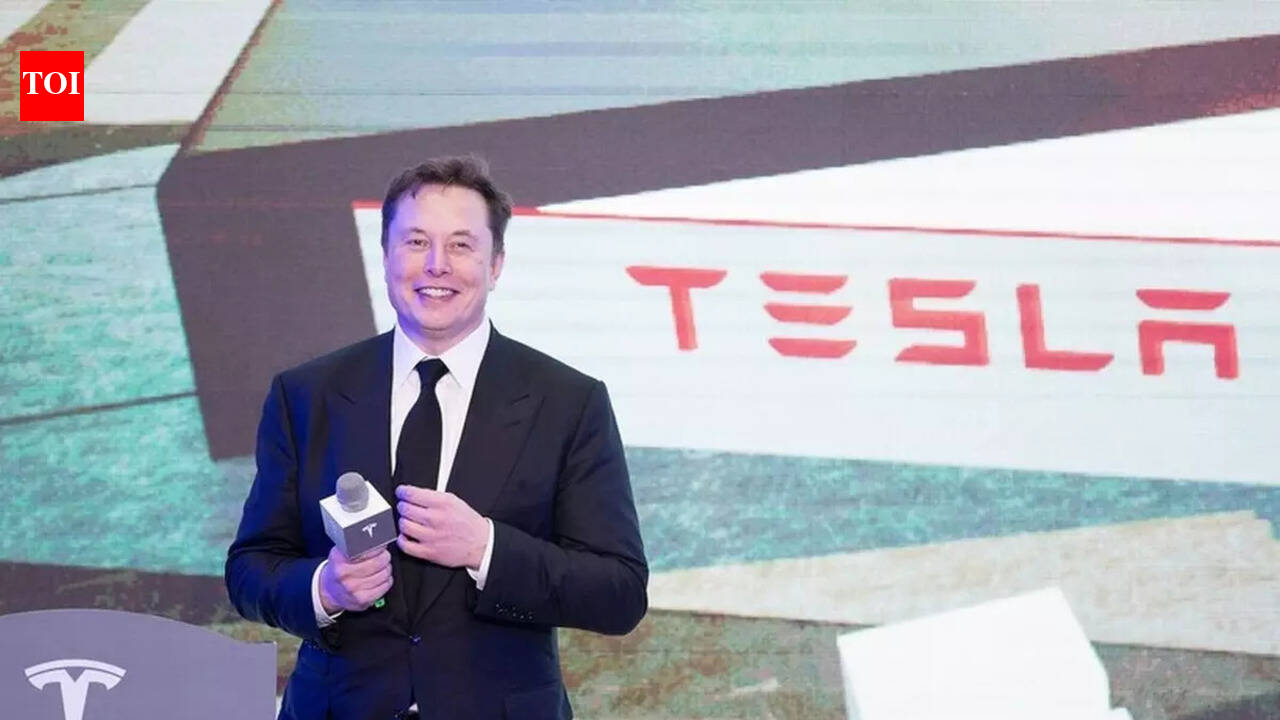
Tesla’s troubles in Europe are not going to end anytime soon, in fact it got deepened in January, with new car registrations falling to 8,074 units down by 17% year-on-year, according to data from the European Automobile Manufacturers Association (ACEA). As reported by CNBC, this marks the 13th consecutive month of declining sales for Elon Musk’s company. Tesla’s market share across the EU, Britain, Switzerland, Norway and Iceland dropped to 0.8%, down from 1% a year earlier. As per the CNBC report, Rico Liman, senior sector economist at ING, described the start of 2026 as ‘very weak’ for Tesla. He noted that Tesla’s image deteriorated in Europe last year, while consumers now have more affordable EV options for rivals such as BYD, MG and ZEEKR. The report also adds that Tesla’s focus on autonomous driving rather than expanding its mass-market lineup has left it vulnerable. Also, a flood of used Tesla from earlier lease cycles has driven down second-hand prices, adding pressure on new sales.
Tesla’s political and reputational challenges
Elon Musk’s Tesla also faced reputational setbacks in Europe due to Elon Musk’s political ties. His financial support for US President Donald Trump’s re-election campaign and subsequent involvement in federal agency cuts started protest at Tesla dealership across Europe. Although Musk later clashed publicly with Trump, analysts say the damage to Tesla’s image lingers.
Growth of China’s BYD
Meanwhile, Chinese EV giant BYD continued its rapid ascent. Registrations surged 165% year-on-year to 18,242 units in January, more than doubling its market share to 1.9% from 0.7% a year earlier. While tariffs have kept BYD largely out of the U.S., its cost advantage in Europe remains formidable. Morningstar strategist Michael Field said Chinese automakers benefit from structurally lower labor costs, a gap unlikely to close even in the next five years.Overall, car sales across the EU, Britain, and EFTA countries fell 3.5% to 961,382 units in January. Petrol car registrations dropped 26%, while battery-electric, plug-in hybrid, and hybrid-electric vehicles rose 14%, 32%, and 6%, respectively.
