

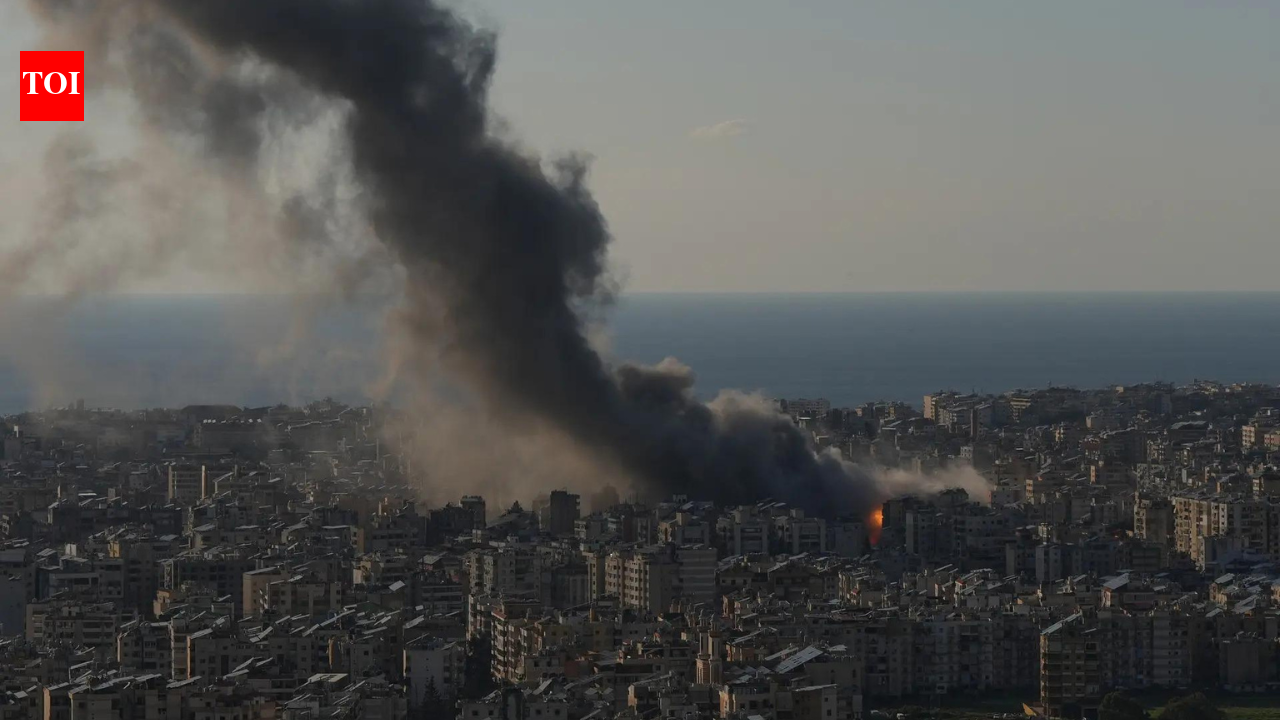
The United States may run low on critical missiles if strikes on Iran continue for more than 10 days, Al Jazeera reported.According to the report, the Pentagon has also warned US President Donald Trump at an extended military campaign in Iran would carry serious risks, including the high cost of replenishing Washington’s dwindling munitions stockpiles.However, Trump on Tuesday said that US has enough in its stockpile to keep the military campaign in Iran going.“The United States Munitions Stockpiles have, at the medium and upper medium grade, never been higher or better – As was stated to me today, we have a virtually unlimited supply of these weapons. Wars can be fought ‘forever,’ and very successfully, using just these supplies,” Trump wrote in a Truth Social post.Weapons US using to attack IranAccording to the US military’s Central Command, it has used more than 20 weapons systems across air, sea, land and missile defence forces during its ongoing operation in Iran.
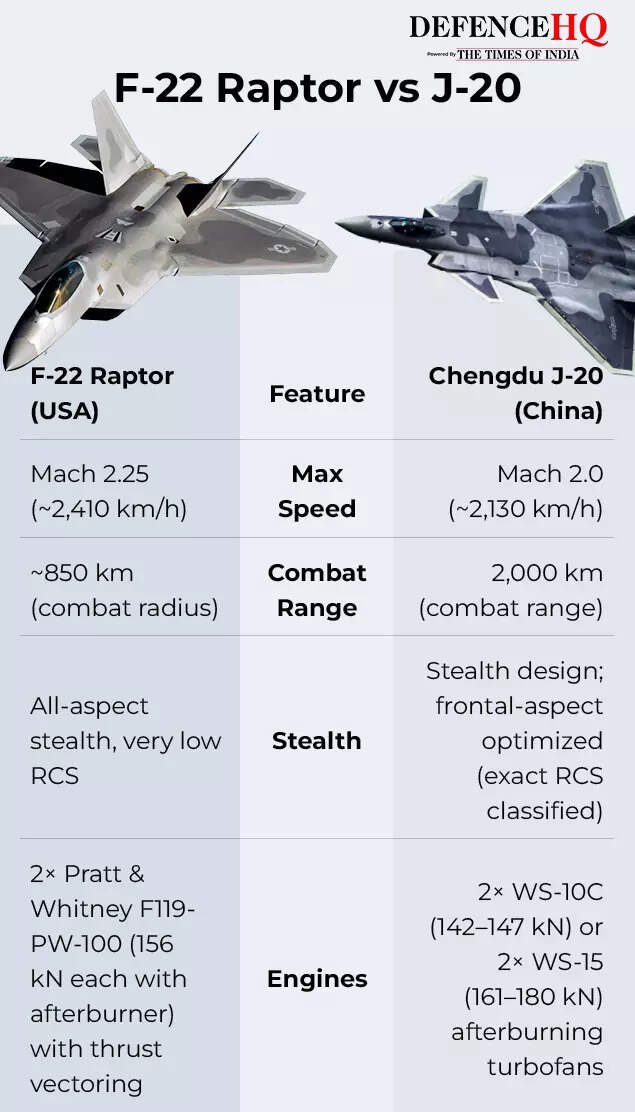
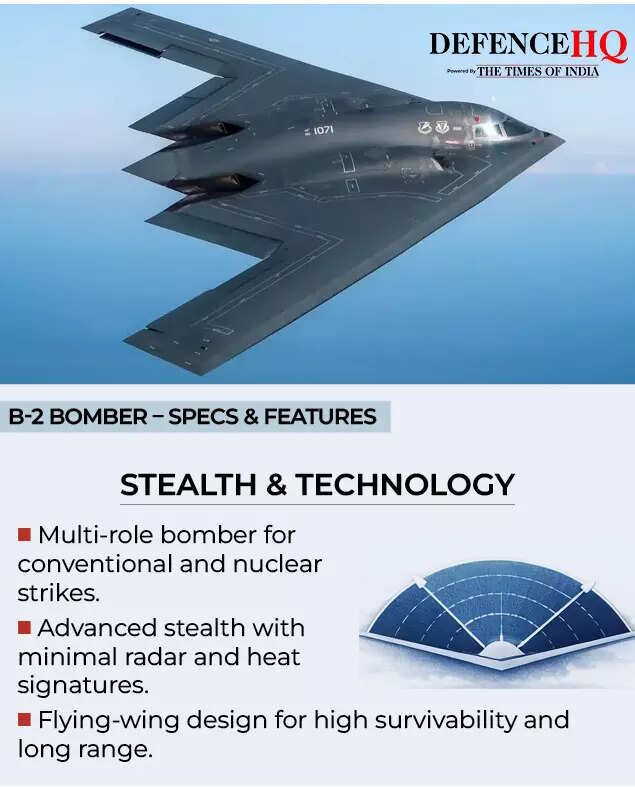
The US is using B-1 bombers, B-2 stealth bombers, F-35 Lightning II stealth fighters, F-22 Raptor jets, F-15s and EA-18G Growlers. It is also using drones and long-range strike systems, including the Low-Cost Unmanned Combat Attack System (LUCAS) one-way drones, MQ-9 Reaper drones, M-142 High Mobility Artillery Rocket Systems (HIMARS) and Tomahawk Cruise Missiles.Here is the complete list
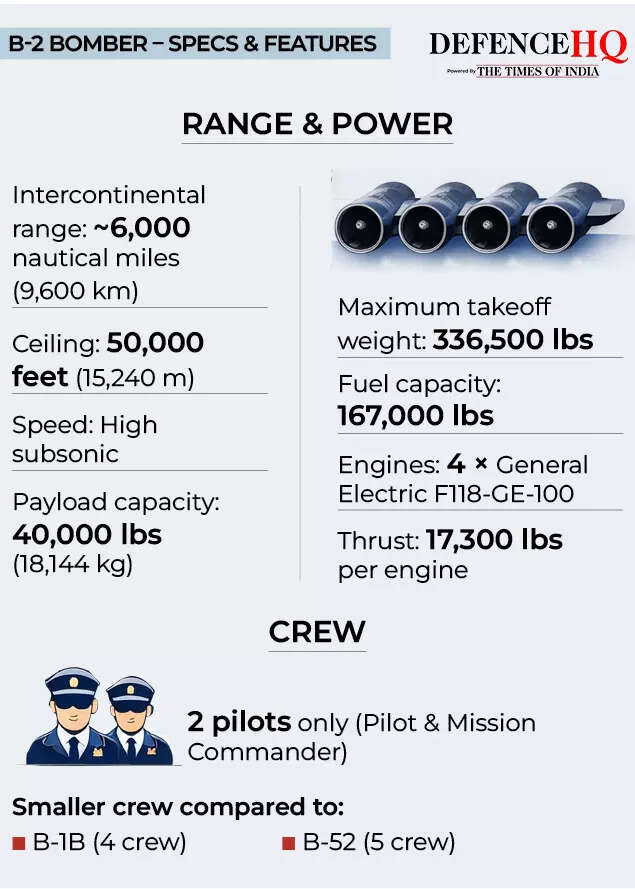
- B-2 Stealth Bombers
- LUCAS Drones
- Patriot Interceptor Missile Systems
- THAAD Anti-Ballistic Missile Systems
- F-18 Fighter Jets
- F-16 Fighter Jets
- F-22 Fighter Jets
- A-10 Attack Jets
- F-35 Stealth Fighters
- EA-18G Electronic Attack Aircraft
- Airborne Early Warning & Control Aircraft Airborne Communication Relay
- P-8 Maritime Patrol Aircraft
- RC-135 Reconaissance Aircraft MQ-9 Reapers
- M-142 High Mobility Artillery Rocket Systems Nuclear-Powered Aircraft Carriers
- Guided-Missile Destroyers
- Counter-Drone Systems
- Refueling Tanker Aircraft Refueling Ships
- C-17 Globemaster Cargo Aircraft C-130 Cargo Aircraft
Two US aircraft carriers, the USS Abraham Lincoln and the USS Gerald R Ford, were in the Middle East when the attack on Iran began.Which weapons could the US run out of?The United States’ arms and ammunition stockpiles have been stretched by sustained military support to allies such as Israel and Ukraine.If a war with Iran continues, the most likely shortages would be in precision, high-end munitions and advanced missile interceptors such as the THAAD system.
Last year, during the 12-day Israel-Iran war, Washington joined Israel in bombing Iranian nuclear facilities toward the end of the conflict. The US deployed two batteries of its advanced THAAD missile defence system to Israel during that period.US officials later said more than 150 THAAD interceptors were fired to counter incoming Iranian missiles — roughly 25% of the country’s total stockpile.
A single THAAD battery typically includes 95 soldiers, six truck-mounted launchers, 48 interceptors (eight per launcher), one radar system, and a fire-control and communications unit. As of mid-2025, there are nine active THAAD batteries worldwide, according to Lockheed Martin.US media reports also said that large numbers of ship-borne interceptors were expended during the conflict. This included Joint Direct Attack Munitions (JDAMs) — GPS-guided kits that convert unguided bombs into precision-guided “smart” weapons.High-end missile defence systems are designed to counter limited, high-intensity attacks from adversaries such as Russia, China or North Korea — not prolonged barrages of cheaper missiles. Over time, finite stockpiles of advanced interceptors can be depleted quickly. Each interception can cost hundreds of thousands or even millions of dollars, often to neutralise a missile that may have cost only a few thousand dollars to produce.What happens if the US runs low on weapons?According to Al Jazeera, the US could ramp up production or redeploy weapons to the Middle East from other regions.Christopher Preble, a senior fellow at the Stimson Center think tank, said that while Washington can absorb the financial cost of war given its trillion-dollar defence budget, the real constraint lies in interceptor stockpiles such as Patriot and SM-6 missiles.Some of these interceptors were earmarked for Ukraine to defend against Russian strikes, he noted.Others are positioned in the Indo-Pacific, where they would be critical in the event of a regional contingency. Diverting them to the Middle East could raise concerns about weakening deterrence elsewhere.How much are the strikes costing US?The Pentagon has not disclosed the total cost of operations. However, estimates suggest the expenses are mounting rapidly.Reports indicate the US spent approximately $779 million in the first 24 hours of operations in Iran, with an additional $630 million allocated to pre-strike preparations — including aircraft movements, deployment of more than a dozen naval vessels, and mobilisation of regional assets.The Center for a New American Security estimates that operating a carrier strike group, such as the USS Gerald R. Ford, costs about $6.5 million per day.
