

6 min readLondonUpdated: Mar 5, 2026 08:05 PM IST
Hardware startup Nothing is testing the limits of how much consumers will pay for mid-range smartphones as it seeks to boost demand for its products in emerging markets such as India, its biggest market.
London-based Nothing on Thursday debuted two new smartphones in its Phone 4a series, with both devices launching at higher prices. The base model starts at Rs 31,999, while the higher-end 4a Pro will retail for Rs 39,999. Both new phones cost more than their predecessors: the Phone 3a and 3a Pro started at Rs 22,999 and Rs 27,999, respectively, a year ago.

Nothing’s new smartphones debuted at a time when tighter memory supply is driving up costs, as suppliers favour the more lucrative AI data center market over consumer hardware. But Nothing isn’t alone in being compelled to launch new products at higher prices. Samsung, the world’s largest smartphone maker, last week launched its flagship Samsung Galaxy S26 series at higher prices. Meanwhile, Apple has raised the prices of the latest MacBook Air, its most popular Mac computer and the pro-grade MacBook Pro has also become more expensive.
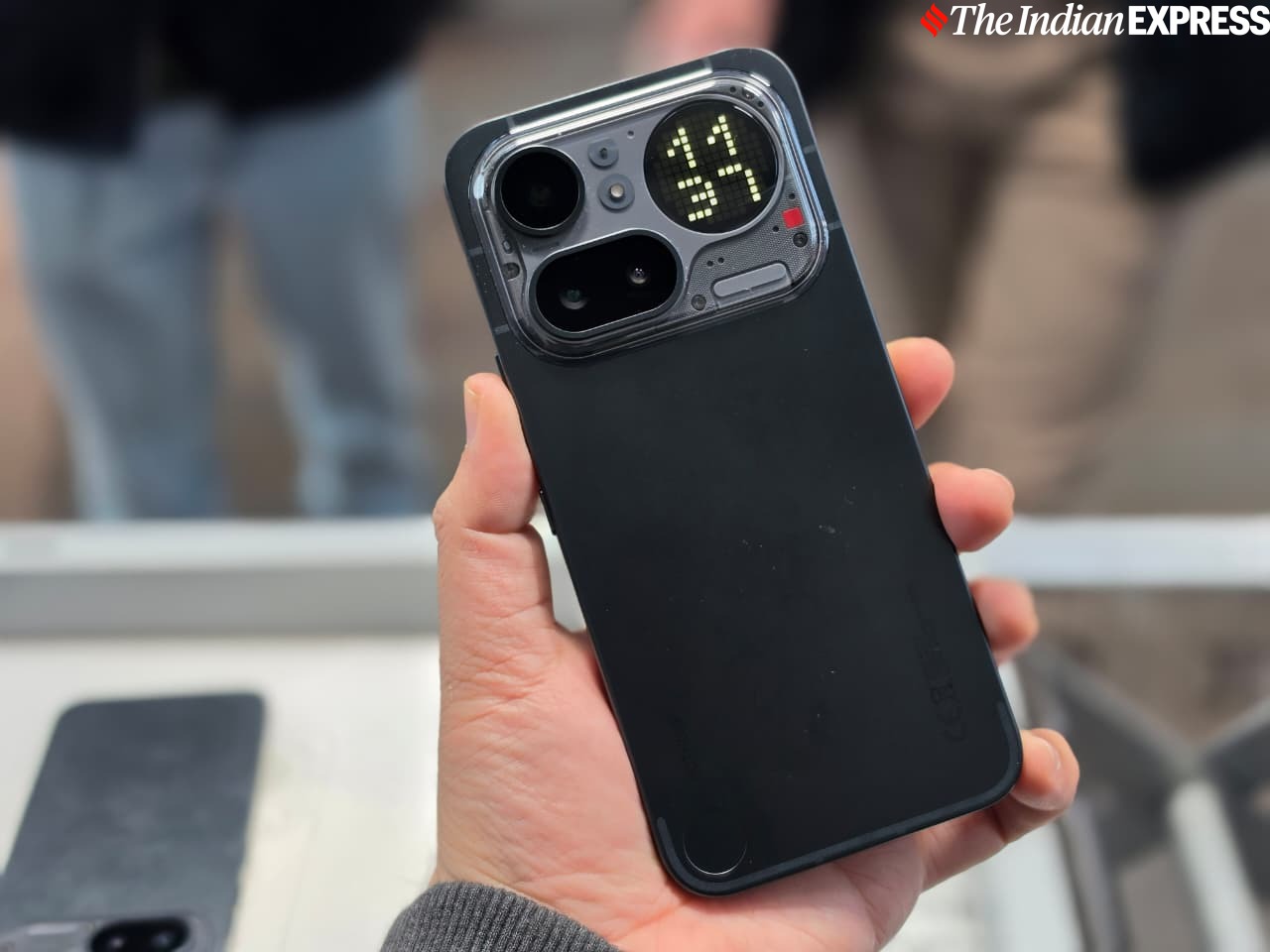 Nothing’s Phone 4a Pro has a metal unibody build and measures 7.95mm thick. (Image credit: Anuj Bhatia/Indian Express)
Carl Pei, CEO and co-founder of Nothing, had already indicated earlier this year the potential for an increase in smartphone prices. Pei said that memory costs have already risen by up to three times and are quickly becoming one of the most expensive components in a smartphone. Analysts and industry insiders had been expecting both the Phone 4a and Phone 4a Pro to launch at higher prices, which is exactly what happened.
International Data Corporation (IDC) estimates that the average selling price of smartphones will rise 14 per cent this year to an all-time high of $523, while manufacturers will no longer be able to make phones that cost less than $100. The IDC also predicts that 2026 smartphone sales will see a record decline of 12.9 per cent to 1.12 billion units, the lowest level in more than a decade.
Insiders and tech executives have warned that the memory shortage will persist well into next year.
To help justify the higher prices, Nothing revamped the Phone 4a and Phone 4a Pro, with the latter featuring a new design language and camera improvements. Both phones look different from each other, with distinct designs and Glyph light interfaces.
Story continues below this ad
 Carl Pei, the co-founder and CEO of Nothing speaks onstage during at the company’s event in London. (Image credit: Anuj Bhatia/Indian Express)
The Phone 4a Pro is particularly interesting, as it is the first phone from the brand to ditch the semi-translucent design for an all-metal back, similar to the iPhone 17 Pro Max. The phone still features a “refined transparent design,” but it is limited to the camera module, which also houses a larger version of the Glyph Matrix display introduced in last year’s Phone 3 flagship.
The Pro has a metal unibody build and measures 7.95mm thick, while being IP68 dust/water resistant and packing a trio of 50MP cameras on the back. Nothing says the Pro supports 4K Ultra XDR video capture as well as Dolby Vision, while reaching up to 140x hybrid zoom. The rest of the phone is covered in opaque aluminum and is available in black, silver, or soft pink.
Nothing, like its peers, is steering consumers toward premium models, a strategy that has worked phenomenally for Apple in recent years, boosting revenue and profit even when the number of devices sold has remained stagnant.
Nothing has no plans to launch a flagship phone this year, but it continues to sell mid-range smartphones that are less experimental and more mainstream, targeting a broad consumer base. The Phone 4a Pro is a clear example of this strategy. However, the Phone 4a and the $200 Headphones a, a more affordable option, may be aimed at students.
Story continues below this ad
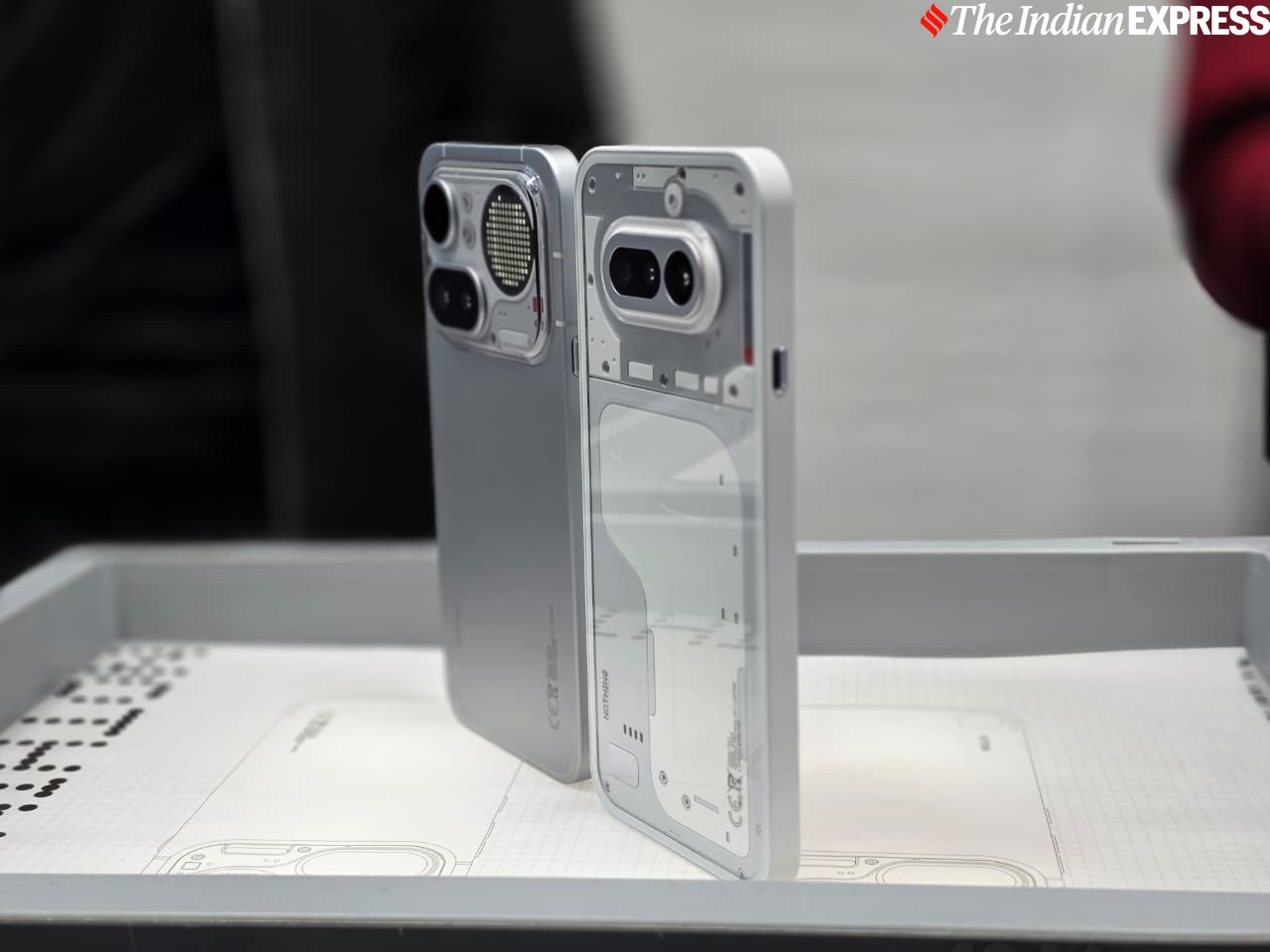 The Nothing 4a and 4a Pro side-by-side. (Image credit: Anuj Bhatia/Indian Express)
Nothing has developed a loyal fan base of customers willing to pay for products with bold designs. Product differentiation, brand equity, and perceived value are all part of the company’s strategy. Nothing held its event at Central Saint Martins, an art college in London, which shows how the brand wants to be positioned, especially among younger crowd
Analysts say it remains to be seen how consumers will react to the Phone 4a and Phone 4a Pro when both phones launch this month, particularly in a market like India. The country is Nothing’s strongest market, with over 2 percent of the smartphone market share, and the brand was the fastest-growing in India in Q2 2025, posting 85 percent growth in shipments year over year.
Nothing has increased its focus on India and recently opened its flagship store in the country’s IT capital, Bengaluru. Potential price increases may not go down well with some consumers, though Nothing doesn’t want to lose ground in a lucrative market like India, where it competes with heavyweights including Apple, Samsung and Vivo.

© IE Online Media Services Pvt Ltd
