

3 min readNew DelhiMar 7, 2026 11:00 PM IST
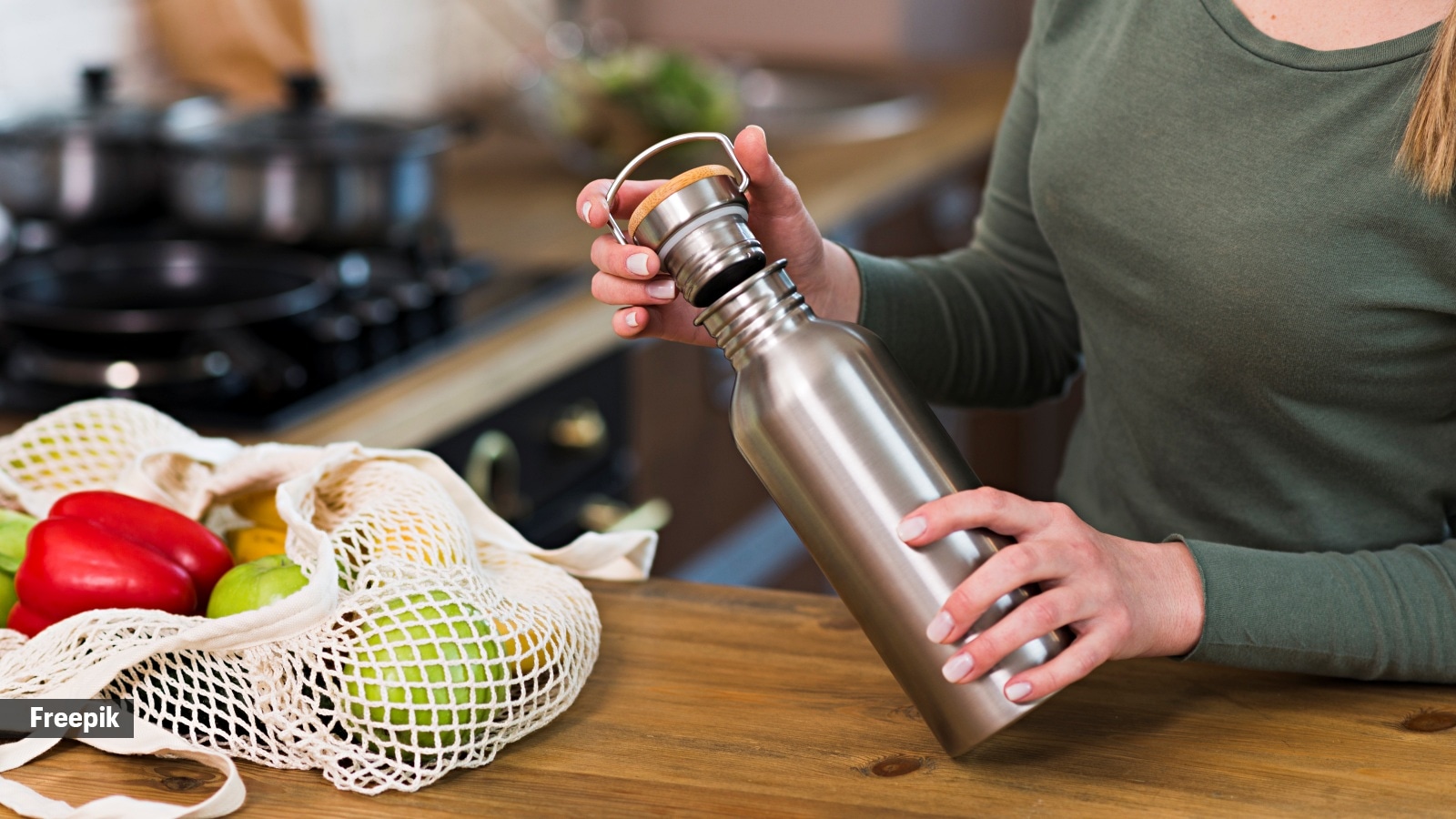
Sometimes, the sip you expect to feel clean and refreshing carries a faint metallic aftertaste instead. If you use a steel water bottle every day, you may have noticed this at least once and wondered whether it is normal or a sign of something unsafe.
According to Dietitian Anushi Jain, Integrated Gut, Hormonal & Weight Loss Specialist, the metallic taste usually has more to do with the quality of the bottle than the water itself.

Why does water taste metallic in steel bottles?
“A metallic taste usually indicates low-quality stainless steel or poor inner finishing,” she explains.
Not all stainless steel is created equal. High-grade stainless steel — specifically 304 or 316 grade — is generally considered safe for storing drinking water and does not alter its taste. These grades are more resistant to corrosion and chemical reactions, which means they are less likely to leach compounds that affect flavour.
On the other hand, cheaper bottles may use lower-grade steel or have poorly polished interiors. Over time, exposure to moisture, heat, or acidic liquids (like lemon water) can slightly react with the inner surface, leading to that metallic hint in your sip.
Improper cleaning can also contribute. If minerals from tap water or residue from previous drinks build up inside the bottle, they may subtly change the taste of water.
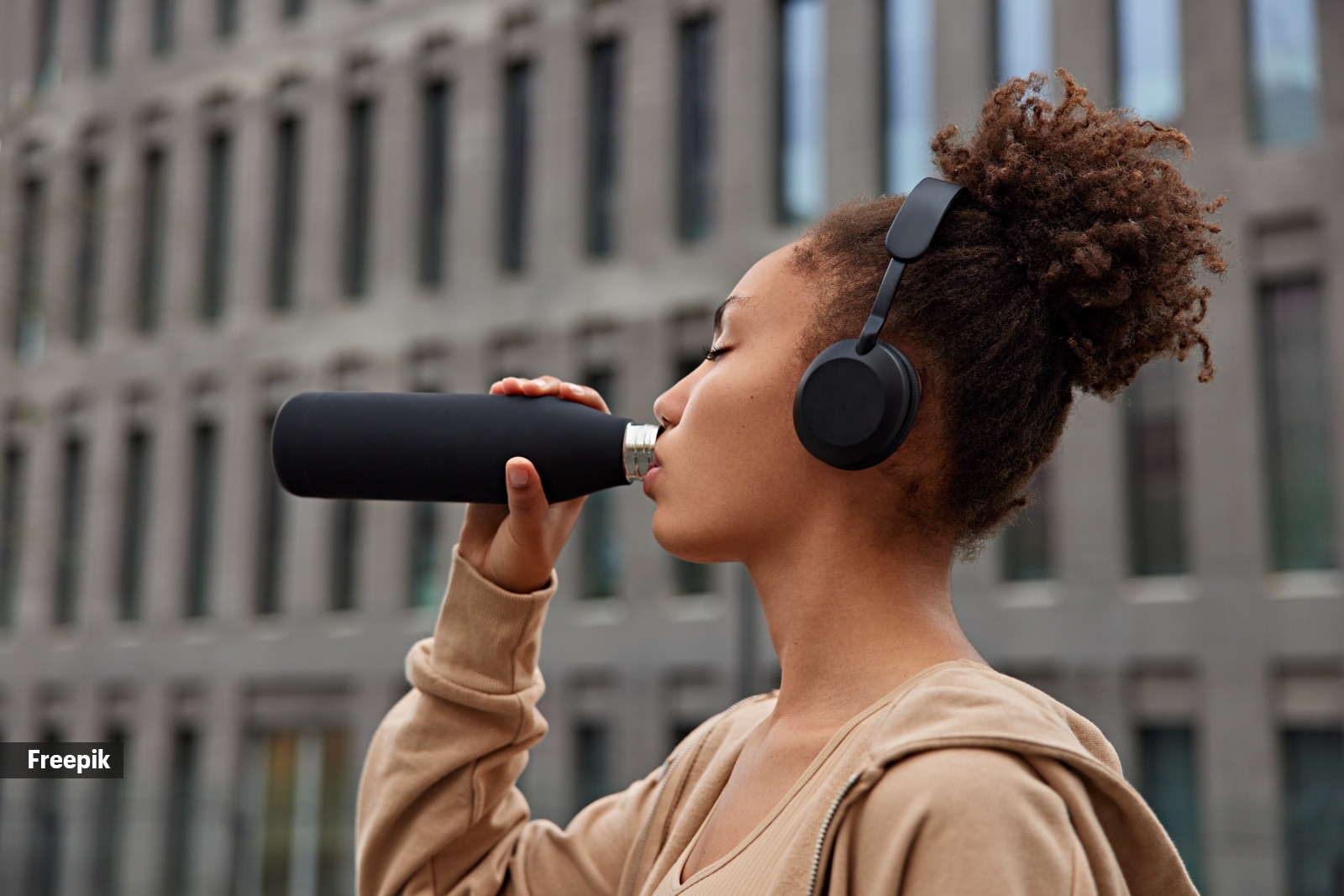 Double-layered steel bottles do not make the water chemically safer on their own, but they help maintain temperature and reduce external heat exposure (Image: Freepik)
Are double-layered steel bottles safer than single-layer ones?
Many people assume insulated, double-layered steel bottles are automatically safer. But that’s not entirely accurate. Double-layered steel bottles do not make water chemically safer on their own. Safety largely depends on the grade of stainless steel used, not on the number of layers.
Story continues below this ad
However, insulation does offer an indirect hygiene benefit. By maintaining temperature and reducing external heat exposure, double-layered bottles help keep water cooler for longer periods. This matters because water stored at warm temperatures for extended periods can promote microbial growth more easily — especially in hot climates.
In that sense, insulated bottles can improve overall hygiene and the drinking experience compared to single-layer bottles, particularly if you carry water throughout the day.
How to prevent metallic taste in your bottle
Jain recommends the following ways to prevent that repulsive, ugly taste in your water bottle!
- Choose bottles made from 304 or 316 grade stainless steel
- Avoid storing acidic beverages for very long periods
- Wash regularly with mild soap and allow to dry completely
- Replace bottles if you notice rusting, pitting, or persistent odour
A mild metallic taste is often a quality issue rather than a serious health hazard. Still, investing in a good-grade steel bottle and maintaining it properly can make a noticeable difference — both for your health and for that clean, crisp sip you expect.
Story continues below this ad
DISCLAIMER:This article is based on information from the public domain and/or the experts we spoke to. Always consult your health practitioner before starting any routine.
