

4 min readHyderabadUpdated: Mar 10, 2026 10:17 AM IST
A Hyderabad court has dismissed the plea of a society claiming to comprise 4,500 descendants and legal heirs of the first six Nizams of the Asaf Jahi dynasty, which sought to intervene in a partition suit concerning the private properties of the seventh Nizam, Mir Osman Ali Khan.
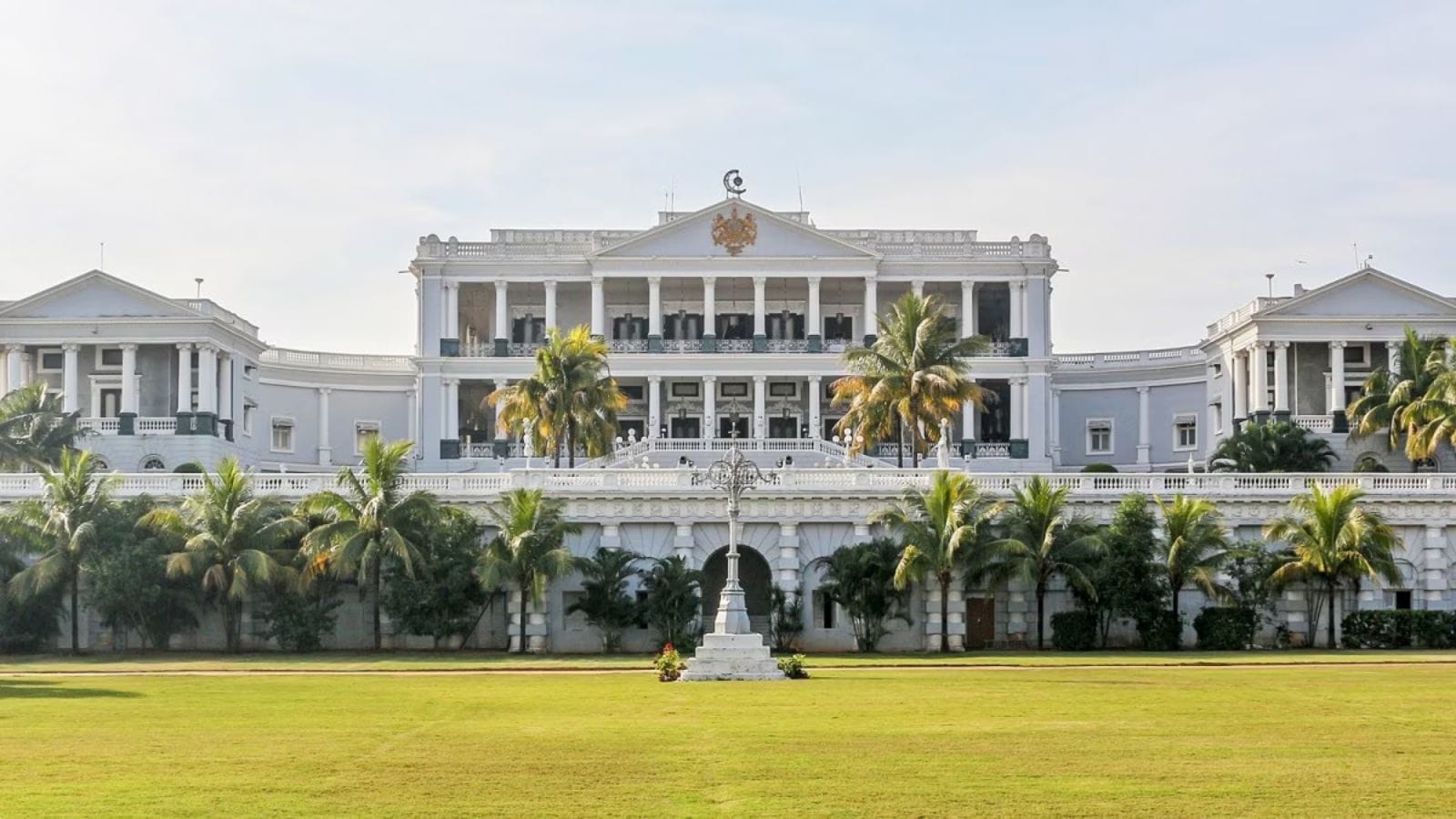
The properties that form the subject matter of the suit include some of Hyderabad’s landmark buildings, such as Falaknuma Palace, King Kothi Palace, Chowmahalla Palace, Purani Haveli, and the Harewood and Cedars Bungalow situated in Tamil Nadu.

The court of the XI Additional Chief Judge at Hyderabad has dismissed Majlis-e-Sahebzadagan Society’s implead petition in the partition suit filed by Nawab Najaf Ali Khan, a grandson of the seventh Nizam Mir Osman Ali Khan, seeking partition and separate possession of his lawful share in several private properties of the seventh Nizam.
The society, represented by its president, Sahebzada Mir Mujtaba Ali Khan, told the court that it was originally formed in 1932 under the guardianship and guidance of Mir Osman Ali Khan for the welfare and development of the Asaf Jahi dynasty’s family members, and that it represents the Sahebzadas and Sahebzadis.
Relying on a 1995 order concerning the Nizam Jewellery Trust, where it was given a share of Rs 2 crore, the society submitted that the properties in the suit were not the exclusive private assets of the last Nizam but a part of collective hereditary properties belonging to the first six Nizams as well as their descendants.
Private properties of the seventh Nizam
Najaf Ali Khan, through his counsel Mohd Adnan, submitted that the interlocutory application sought to mislead the court through suppression of facts and opposed the impleadment on the ground that the society had no legal or proprietary interest in the suit properties. He submitted that the orders passed in 1995 had nothing to do with the personal or private properties of the seventh Nizam. He added that the agreement between the seventh Nizam and the Union government in January 1950 and a government letter in 1953 clearly stated that the properties were owned by the seventh Nizam in his personal capacity.
In a detailed order on January 22, XIth Additional Chief Judge of City Civil Court R Danie Ruth noted that “the suit does not seek adjudication of general succession rights of the Asaf Jahi family nor does it involve representative or class action on behalf of all descendants of the Nizams.” The court said this while clarifying the scope of the proceedings that it was a limited family partition suit filed by Khan against his own family members for the determination of his share in the properties.
Story continues below this ad
The court noted that there was no material evidence to show that all the 4,500 descendants of the first six Nizams have authorised the society to represent their individual claims or any evidence to show that individual members of the society possess any legal right over the suit properties.
The court also noted that the society’s claim that it was formed in 1932 by the seventh Nizam does not create any enforceable right over the properties. The court pointed to the Nizam’s Jewellery Trust case to note that it was set aside by compromise, and Rs 2 crore was given as a gift and not as right. This amounted to suppression of material facts by the petitioners, the court noted.
“The petitioners failed to establish their right over the suit properties and as such they are not necessary or proper parties to the suit,” the court concluded, while dismissing the application filed by Majlis-e-Sahebzadagan Society.


© The Indian Express Pvt Ltd
