

3 min readNew DelhiUpdated: Mar 15, 2026 03:25 AM IST
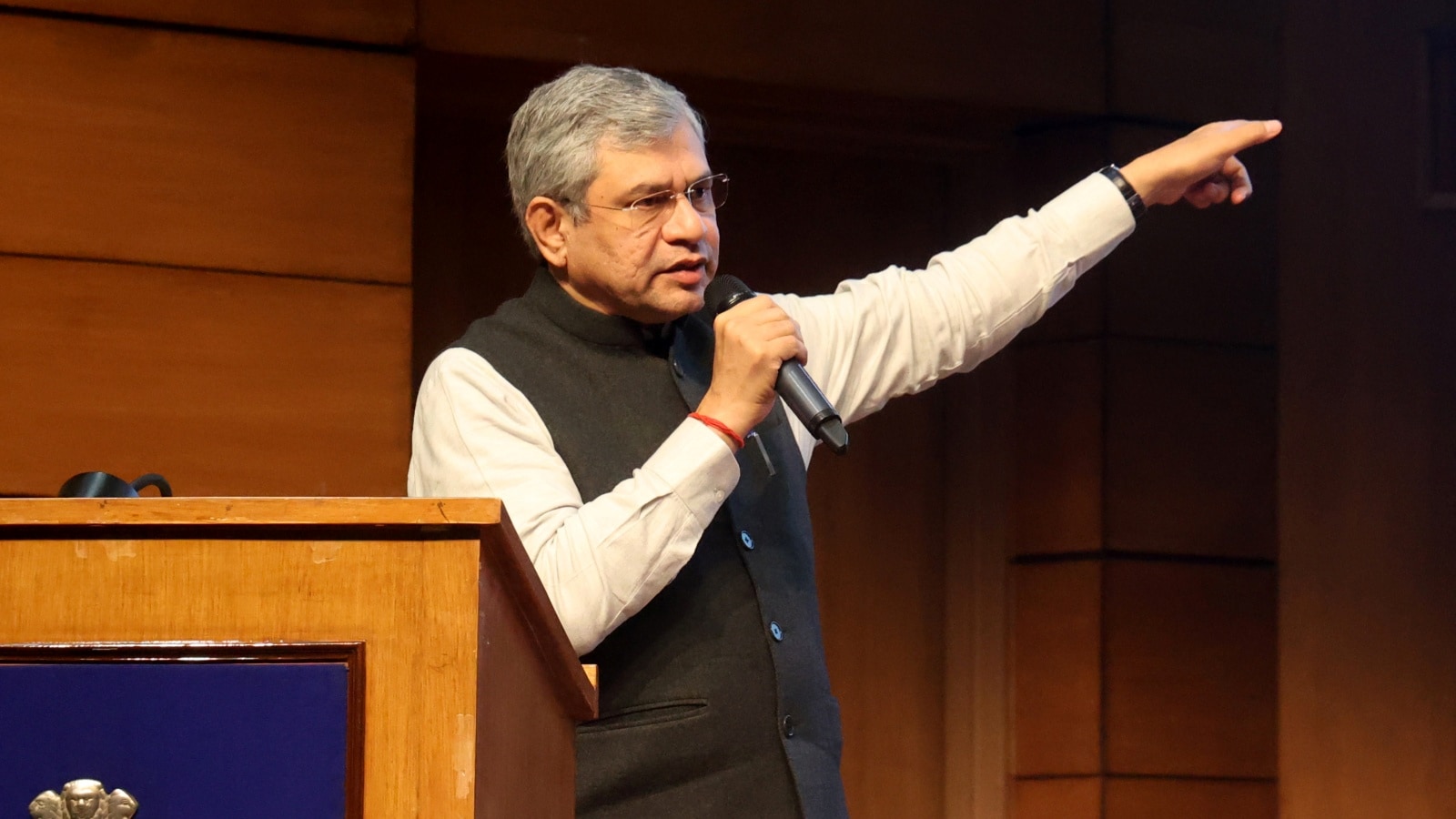
ANTICIPATING geopolitical uncertainty, the Central government Saturday said it had started preparing itself for the kharif season by procuring and advancing orders for fertiliser stocks from different geographies mid-February itself. This has ensured that “adequate” stocks of urea, diammonium phosphate (DAP) and NPK (nitrogen, phosphorus and potassium) fertilisers are available despite the supply disruption caused by the ongoing US and Israel war with Iran.
Demand for fertilisers peaks in the middle of May, with farmers sowing seeds over the following two months. Sharing details of the current stock position, Information and Broadcasting Minister Ashwini Vaishnaw told reporters that as on March 13 this year, 62 lakh tonnes of urea is available, which is 10 lakh tonnes higher than on the same date last year. The DAP stocks are at 25 lakh tonnes, almost double last year’s level, and NPK fertilisers at 56 lakh tonnes are the highest ever at 56 lakh tonnes compared with 31 lakh tonnes last year, he said.

Briefing reporters, Vaishnaw said the government has a heat map comprising 652 major agri districts which is closely monitored for fertiliser availability. “If there is a shortage anywhere, it gets flagged in the heat map. Abnormal sales patterns are also red-flagged in this system,” he said, adding that fertiliser stocks are expected to be comfortable before the peak kharif demand.
In the 2025 kharif season, the government had pegged the requirement of urea at 185.39 lakh tonnes, DAP 56.99 lakh tonnes, Muriate of Potassium (MOP) 11.13 lakh tonnes, and NPKS 76.11 lakh tonnes. Government officials said the requirement for the ensuing kharif season is estimated to be marginally higher than last year. “Usually the opening stock remains one-fourth of the total requirement but this year the opening stock is estimated to be about one-third of the requirement, which is a good sign,” an official said.
Vaishnaw said the government advanced its global tender for urea after it sensed global uncertainties and placed orders for 13.5 lakh tonnes middle-February, and 90 per cent of these are expected to arrive by March-end. DAP procurement also started in advance, he said, and alternate sources including Canada, Russia and Morocco were tapped for DAP, a nutrient that is applied at the time of sowing.
Further, the I&B Minister said the government is diversifying its sourcing for spot gas procurements and tapping Russia, Canada, US, Africa and Saudi Arabia. These spot gas purchases are undertaken by GAIL and approved by the Ministry of Petroleum and Natural Gas-approved Empowered Pool Management Committee. “GAIL will conduct its first phase purchase by Tuesday,” he said.
To optimise the use of gas and production, the government also advanced the annual plant maintenance to March. The production in March is expected to be around 17 lakh tonnes compared with the normal urea production of 25 lakh tonnes a month.
Story continues below this ad
With the Strait of Hormuz practically shut, the government’s five-year contract with Saudi Arabia for 3 million tonnes for DAP will continue. There is no force majeure here since the supplies are through the Red Sea. The supply of urea, DAP and NPK fertilisers from Russia too would continue uninterrupted via the Cape of Good Hope, the minister said.
