

4 min readNew DelhiMar 18, 2026 03:42 PM IST
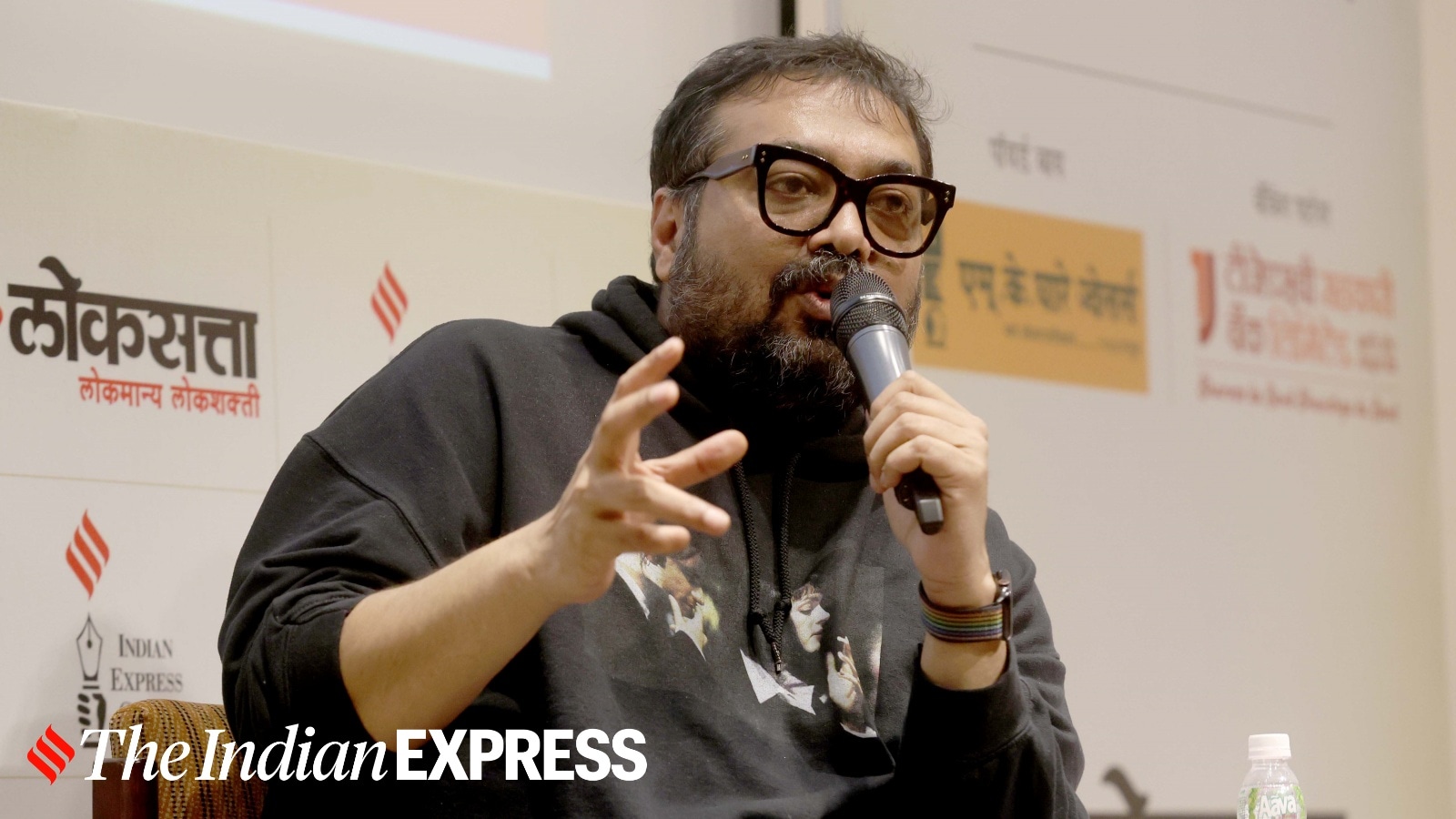
Filmmakers often say the real film school is hidden in conversations — in hearing masters unpack how they think, shoot, and solve problems. While many aspiring directors chase structured courses, others build their own education through books that bridge theory and practice. That hands-on philosophy is exactly what Anurag Kashyap recently spoke about while sharing what he considers an essential filmmaking reading list.
During a candid appearance on Unfiltered by Samdish, Kashyap explained that the most valuable film books are those that connect directly to watching cinema — not abstract guides, but working conversations between filmmakers.

At the top of his list is Hitchcock/Truffaut, the legendary dialogue between François Truffaut and Alfred Hitchcock. Rather than treating it as casual reading, Kashyap described a deliberate learning method: read a chapter, watch the film being discussed, then return to the text. This loop, he suggested, turns the book into a guided filmmaking workshop.
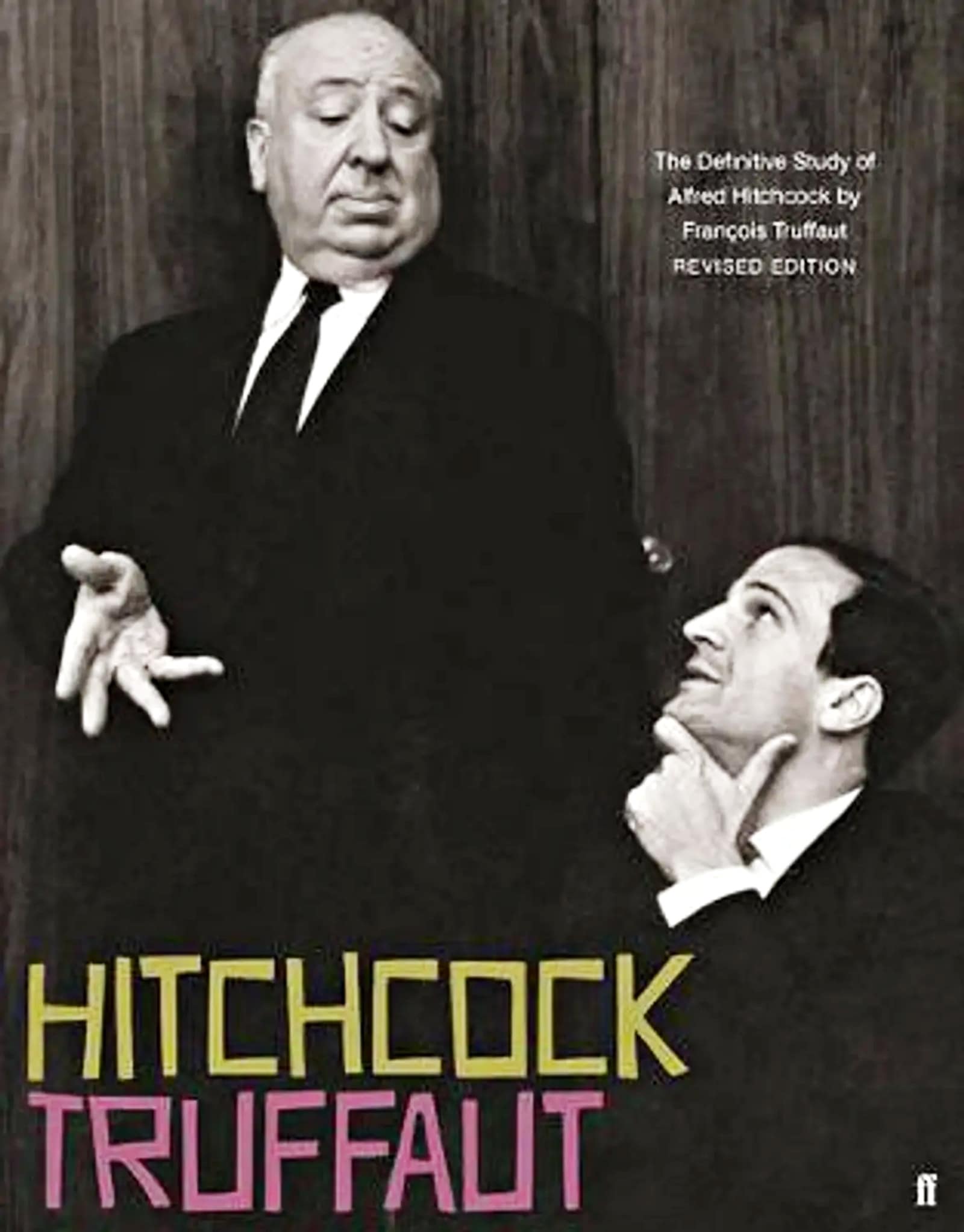 Anurag Kashyap frequently cites the book Hitchcock/Truffaut as a vital “cinematic bible” (Image: Flipkart)
“Ek chapter padho aur jis film pe discussion hai woh film dekho… phir agla chapter padho. Jo film dekho uske upar chapter padho — poori filmmaking ho jayegi. Koi school jaane ki zaroorat nahi.” (Read a chapter and watch the film being discussed… then read the next chapter. Study the chapter after watching — you’ll learn filmmaking. You won’t need film school.)
The emphasis here is on active learning — seeing how creative decisions translate from page to screen. Kashyap believes this practice sharpens cinematic instinct far more effectively than passive study.
Is Kashyap’s technique truly effective?
Kashyap’s method has strong psychological roots. As per Dr Abhinit Kumar, Senior Consultant-Psychiatry at ShardaCare-Healthcity, it is a very effective learning method, especially for creative disciplines such as filmmaking.
“Psychologically, this method is effective since it involves the active involvement of various sections of the brain, making the learning process more profound and meaningful”
Story continues below this ad
He further explains that when a person reads something for the first time, the brain constructs a simple interpretation through imagination and logic.
“This step triggers cognitive thinking and expectations. Such knowledge, as soon as the film is watched, gets a visual and emotional touch. The brain is now linked to theory and real-life examples, and this enhances understanding and memory. This is referred to as multisensory learning in which a combination of text and images enhances memory.”
When you go back to reading it again the second time, after watching the film, cognitive thinking is triggered. The “active reflection” helps the reader discover a lack of knowledge, eliminate false beliefs, or enhance comprehension. “Basically, the learner shifts his passive reading to critical thinking.”
More from his reading list
He extended that thinking to another favourite: Conversations with Billy Wilder by Cameron Crowe, built around long-form discussions with Billy Wilder. For Kashyap, its appeal lies in its authenticity — craft explained by someone who has lived it.
Story continues below this ad
That authenticity, he stressed, is non-negotiable when learning to write or to make films.
“Main jo bhi aadmi scriptwriting sikhata hai jisne khud script nahi likhi, woh main padhta hi nahi. I only read screenwriters on screenwriting.” (If someone teaches scriptwriting without having written scripts themselves, I don’t read them. I only learn from working screenwriters.)
Taken together, Kashyap’s reading list reflects a broader philosophy: cinema is best understood through practitioners who dissect their own processes. By pairing reading with watching, learners aren’t just consuming information — they’re training their eye, judgment, and storytelling instinct. In his view, that cycle may be the closest thing to a filmmaker’s real classroom.
© IE Online Media Services Pvt Ltd
