

4 min readUpdated: Mar 26, 2026 02:36 AM IST
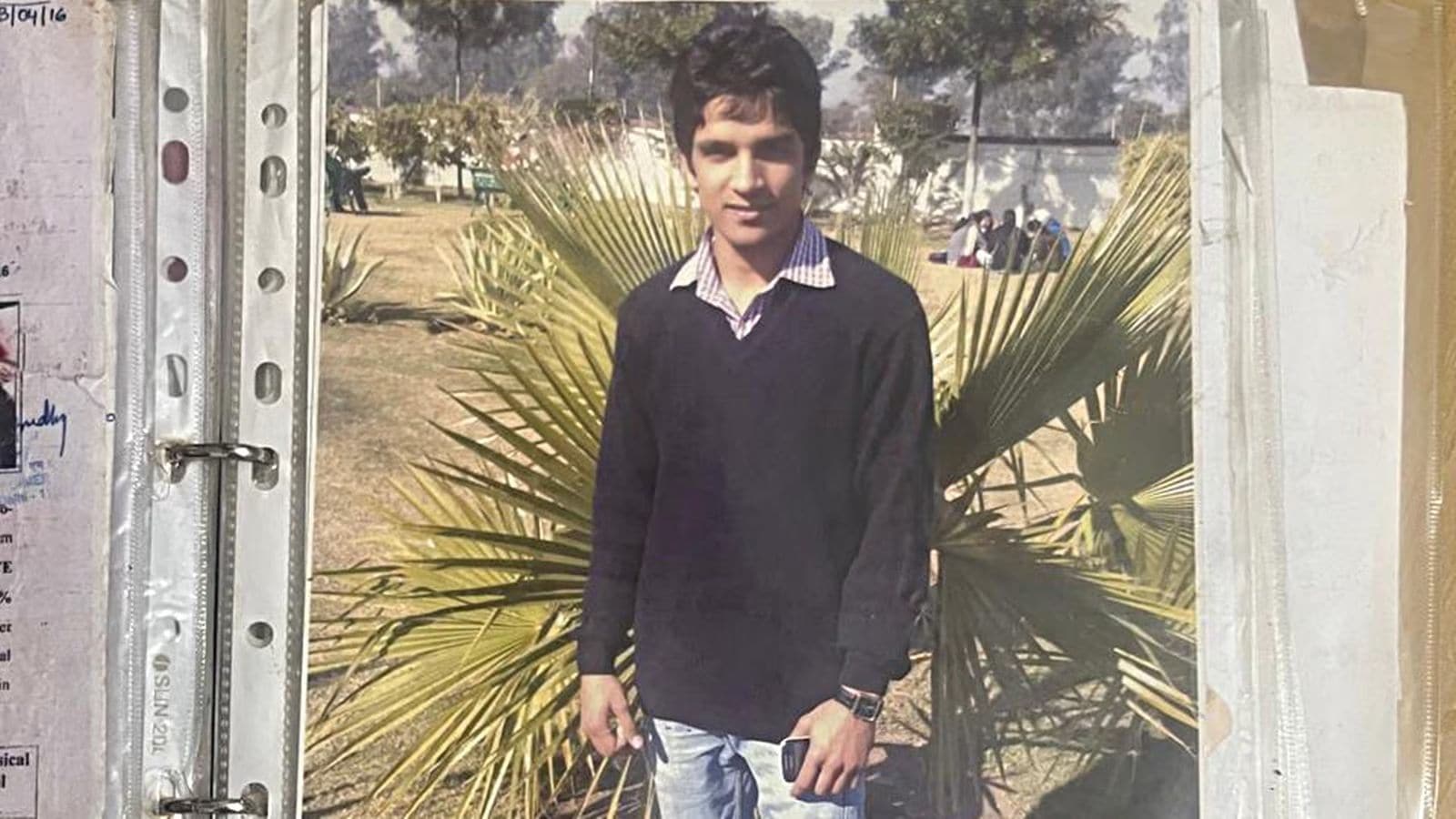
A day after 31-year-old Harish Rana passed away following passive euthanasia at AIIMS Delhi, doctors have confirmed that his corneas and heart valves have been successfully retrieved for transplantation. The decision was driven by his parents’ desire for his life to have a lasting, positive impact on people who needed transplants.
“While the corneal transplant will help restore sight in the recipient, the heart valves will offer a second chance at life to those in need of complex cardiac surgery,” says Dr V Devagorou, professor in the Department of Cardiothoracic and Vascular Surgery (CTVS), AIIMS. “Even when an organ cannot be used in its entirety, parts of it can continue to beat on, quietly sustaining life in others,” he adds.

What is a heart valve retrieval from the brain dead?
Heart valve retrieval from a brain-dead donor is the surgical removal of heart valves (such as the aortic or pulmonary valves) from a patient who has been declared legally dead due to irreversible cessation of all brain function, while their heart is still beating. This process allows these tissues to be transplanted into patients with heart valve disease.
The donor is moved to an operating room where surgeons remove the heart and/or specific valves. Heart valves can be retrieved from a heart-beating donor or within a certain time frame after the heart stops.
Explaining the process, Dr Devagorou says that heart valve retrieval begins with careful extraction of the donor heart, even in cases where the organ itself cannot be used for a full transplant. “In situations where the heart’s pumping function is not suitable for transplantation, we can still utilise the valves. Even after death, within a window of about 24 hours, the heart can be retrieved and the usable components preserved,” he says.
Heart valve retrieval is generally considered “tissue donation” rather than a whole-organ transplant. While a full heart transplant must occur within hours, retrieved heart valves are processed, stored, and used later.
How can they be preserved?
“If immediate transplantation is not possible, the valves are cryopreserved at minus 180 degrees Celsius. In such conditions, they can be stored safely for up to five years,” says Dr Devagorou.
Story continues below this ad
How is the donated heart valve transplanted?
Once the heart is brought to the institute’s valve bank, surgeons work quickly. “The actual dissection takes about 10 to 15 minutes,” Dr Devagorou explains. “We isolate the aortic valve and pulmonary valve along with portions of the aorta and pulmonary artery. These are then prepared as conduits for use in other patients.”
These harvested valves, known as homografts, are particularly valuable in cases of infection, certain complex procedures and pediatric surgeries. Before use, the tissues undergo rigorous testing to rule out infection. One of the advantages of homografts is their adaptability. Adult donor valves can be resized to suit pediatric recipients through a process known as downsizing. “We can reduce the diameter significantly to fit a child,” says Dr Devagorou, adding that the reverse, using pediatric valves in adults, is not feasible.
While these biological valves can dramatically improve and even save lives, they are not permanent. “Over time, all biological valves undergo degeneration and calcification,” he explained. “Typically, this happens over 15 to 20 years, after which a replacement may be required.”
At AIIMS, around three to four such valve retrievals and implantations are carried out each month, reflecting both the scarcity and the critical importance of donation.
Story continues below this ad
What about corneal transplants?
Brain-dead donors are considered good candidates for eye donation because the cornea does not rely on blood circulation, meaning it remains healthy for several hours after brain death.
