

4 min readPuneUpdated: Mar 25, 2026 10:28 PM IST
* It has been more than a decade since Pune-based Avinash Patil was diagnosed with bipolar disorder. “I was in the US studying for a PhD in bioengineering when I went through an extremely depressive phase,” Patil recalled. Back in Pune and now in a stable phase, Patil says it is important for the person undergoing these challenges to accept his/her condition, take medications and therapy.
* Preferring anonymity, the father of a youngster with bipolar disorder from a Southern state spoke about the challenges he faced as a caregiver. “The initial stages were so difficult when my son would have panic attacks and was so reluctant to talk to us. We connected with the psychiatrist and counsellors in Pune and my son is a lot stable now and the medication has also been tapered,” the father, who is a retired engineer, said.

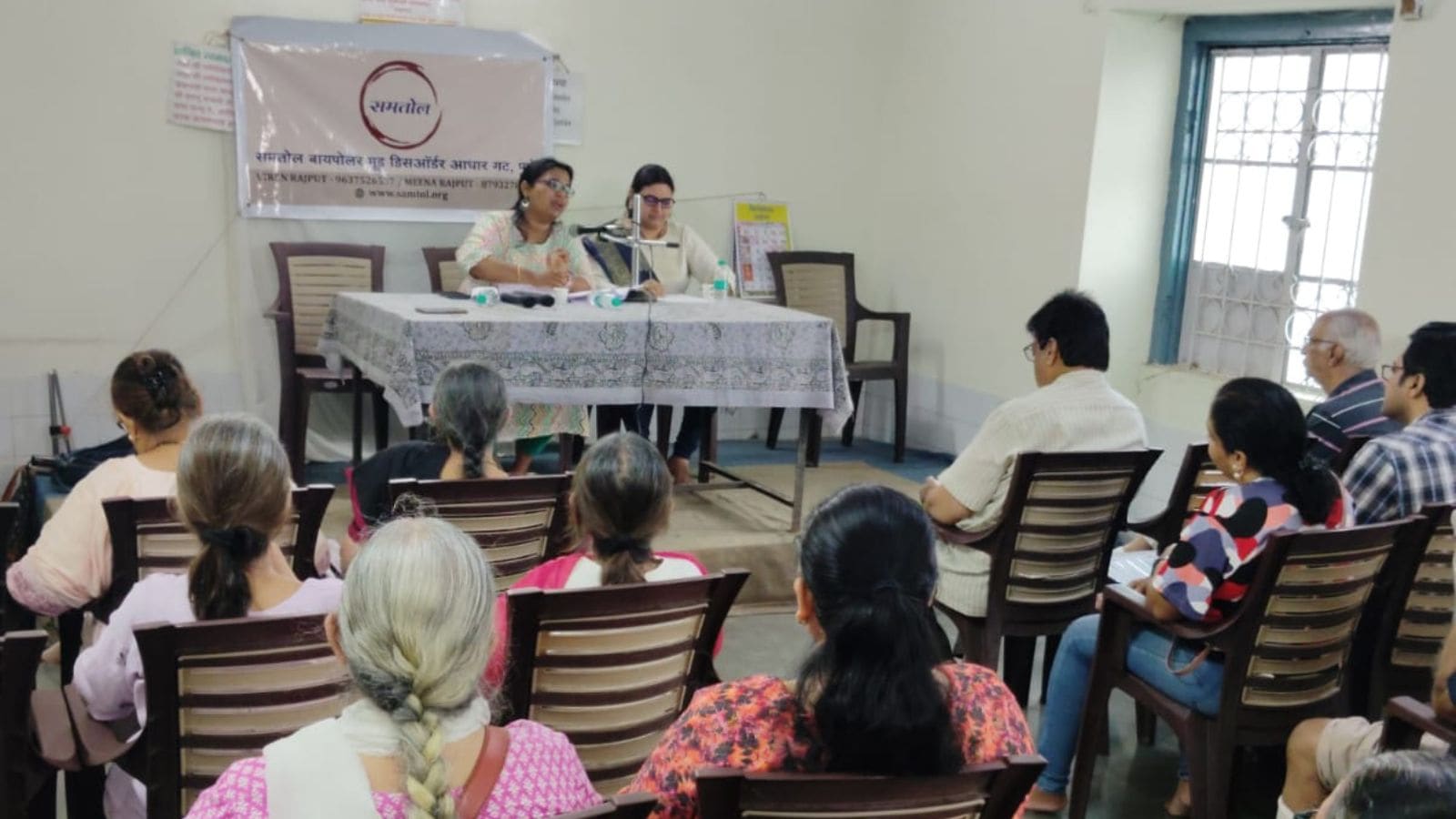
Both Avinash and the caregiver-father are part of SAMTOL bipolar disorder support group that was set up two years ago by founder member Viren Rajput, living with bipolar disorder, and has close to 200 members.
The support group strongly believes that recovery demands more than medical treatment alone and will be conducting a meeting on March 28 as part of the programme to observe World Bipolar Day. March 30 is observed as World Bipolar Day (linked to the birth anniversary of renowned artist Vincent Van Gogh who is believed to have bipolar disorder).
According to the World Health Organisation (WHO), bipolar disorder is a treatable illness in which a person experiences extreme mood swings and activity levels. These are different from the usual ups and downs that everyone feels because they cause serious impairment in function.
Rajput, who grew up in a business family, had never imagined facing mental health challenges. “But at the age of 30, my life took a dramatic turn. I began to experience unpredictable shifts in my mood and behaviour, these changes later came to be identified as bipolar mood disorder which manifested in three distinct phases — depression, mania, and normalcy. During the depressive phases, I withdrew completely spending weeks in bed, and going through suicide ideation unable to perform even simple tasks, thoughts of self-harm were constant companions,” he recalled.
While there was a period of normalcy, there was a rush of manic energy that also made him hyperactive and restless. “Due to lack of awareness and social stigma we often started ‘doctor shopping’ seeking quick fixes but discontinued medication whenever I felt fine and then again the pattern repeated. Lack of awareness kept me away from sticking to my treatment plan,” Rajput said.
Story continues below this ad
He consulted a psychiatrist and was diagnosed with bipolar disorder. “The psychiatrist and therapist would patiently address my doubts and help me build an insight into my condition,” Rajput said. While it took him a decade after beginning treatment to reach emotional balance and mental stability, throughout this journey, he understood that recovery demands more than medical treatment alone.
“Four pillars became central to my growth, medical treatment, self-awareness, structured routine and emotional support. As he regained balance, Rajput felt compelled to give back to the community. Having personally battled suicidal thoughts and tendencies, he registered as a volunteer with Connecting Trust, a suicide prevention NGO and two years ago under the guidance of Dr Ulhas Luktuke, Dr Vidhyadhar Watve and Dr Sujala Watve set up Samtol Support Group, a safe and inclusive space for patients and caregivers.
Dr Watve, a psychologist, explained that support groups provide shared experiences and regular meetings can encourage people to stay consistent with therapy, medications, sleep routines and healthy habits. “It also helps families and caregivers as understanding the condition better makes it easier to provide support,” Dr Watve said.


Click here to join Express Pune WhatsApp channel and get a curated list of our stories
© The Indian Express Pvt Ltd
