

3 min readNew DelhiMar 31, 2026 09:43 AM IST
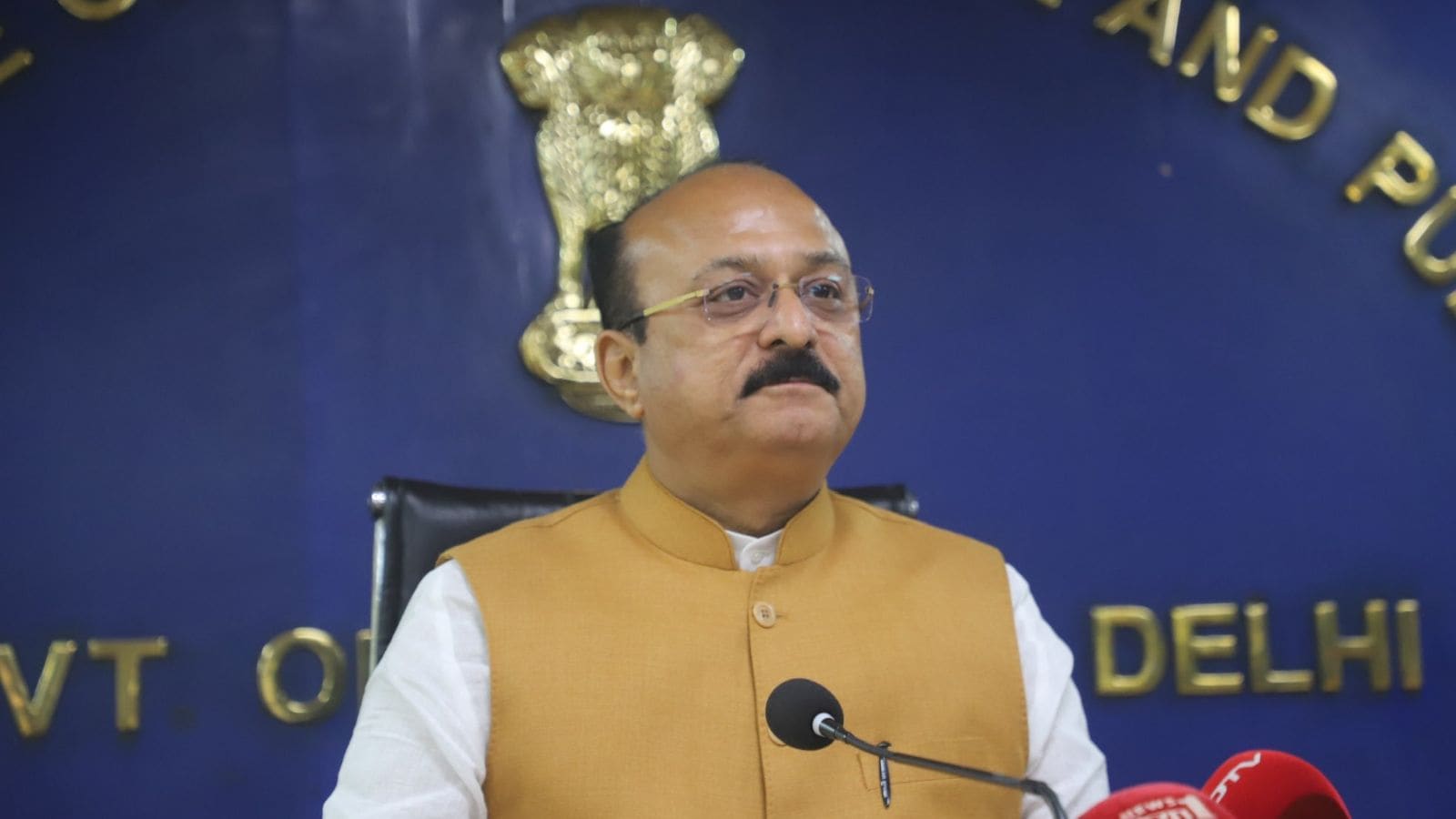
The Delhi government is pushing for an audit of the Capital’s distribution companies by the Comptroller and Auditor General (CAG), Power Minister Ashish Sood told The Indian Express on Monday.
Sood said the proposed audit will be aimed at examining how dues worth several thousands of crores of rupees accumulated over the years. “When the Supreme Court had ordered the recovery of unpaid dues, it had pointed out that this is a serious reflection on the discoms and the government. If they are not getting paid for all these years, how are the discoms surviving? Was there some collusion between the then government and the discoms? We will push for a CAG audit of the discoms to examine this,” he said.

The move comes in the backdrop of a Supreme Court order passed in August last year directing time-bound liquidation of regulatory assets. Regulatory assets are deferred costs which arise when consumer tariffs are kept below the actual cost of supplying electricity. This also led to reports claiming that power tariffs in Delhi will go up soon.
Sood, however, said that the government will not let the impact of the recovery reach the consumer.
In Delhi, the dues have crossed Rs 38,500 crore, according to submissions made by the Delhi Electricity Regulatory Commission (DERC) before the Appellate Tribunal for Electricity (APTEL). The regulatory assets include Rs 19,174 crore for BSES Rajdhani Power Limited (BRPL), Rs 12,333 crore for BSES Yamuna Power Limited (BYPL), and Rs 7,046 crore for Tata Power Delhi Distribution Limited (TPDDL).
Tariffs in Delhi have not seen a revision since 2014-15, even as costs increased. This led to a steady accumulation of dues. Delhi also has a hefty power subsidy bill of around Rs 4,000 crore. As part of the government’s power subsidy, domestic consumers do not have to pay for electricity consumption of up to 200 units per month, while those consuming between 201 and 400 units get a 50% subsidy.
The Supreme Court has directed that dues be cleared over seven years — from April 1, 2024 to March 31, 2031. According to sources, as per the DERC’s plan, recovery will start from April 1 this year.
Story continues below this ad
Sources said the Supreme Court’s order is not Delhi-specific, but is applicable to all states. “Regulators in each of the states will be independently implementing the Supreme Court order. As a result, there may be tariff hikes in several states,” an official, meanwhile, said.


