

3 min readNew DelhiUpdated: Apr 7, 2026 11:17 AM IST
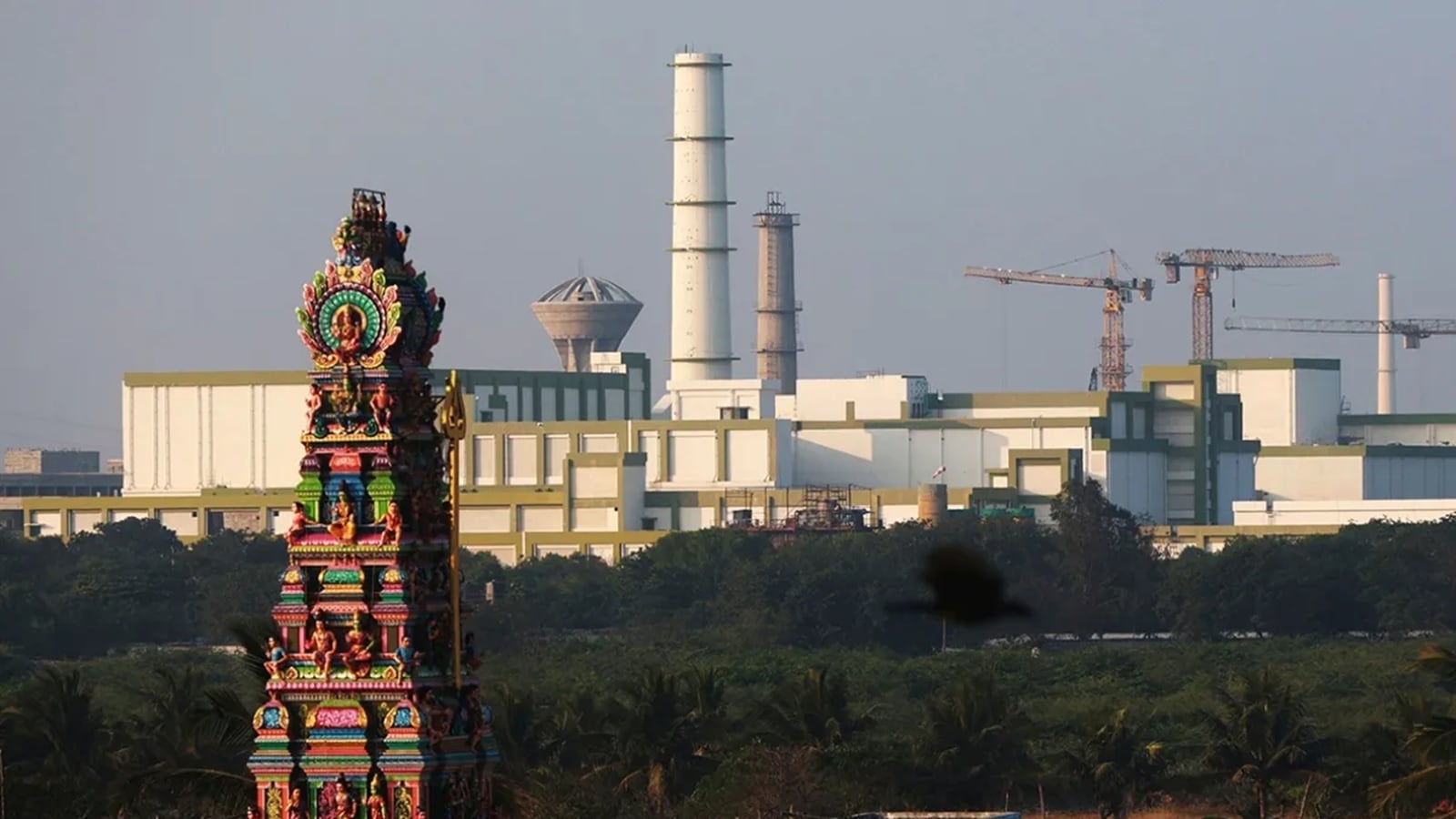
The vital second stage of India’s three-stage nuclear programme got a boost Monday with the country’s first indigenous Fast Breeder Reactor (FBR) at Kalpakkam in Tamil Nadu attaining criticality — the initiation of a self-sustaining nuclear fission reaction that will eventually lead to the generation of power by the 500-megawatt electric (MWe) FBR.
Prime Minister Narendra Modi, in a post on X, called it a “defining step” in advancing the country’s civil nuclear programme and said the indigenously designed and built reactor reflects “the depth of our scientific capability and the strength of our engineering enterprise” which, he said, is a key step towards harnessing India’s thorium reserves under the third stage of the programme.

Attaining criticality is a key milestone before full power generation, indicating that the reactor core is functioning as designed and that each fission event in the core now releases a sufficient number of neutrons to sustain an ongoing series of reactions.
The completion of ‘core loading’, or the process of placing nuclear fuel assemblies inside the core of a nuclear reactor, was wrapped up in March 2024 for the FBR. This reactor will initially use uranium-plutonium mixed oxide (MOX) fuel, with a Uranium 238 (U238) ‘blanket’ around the fuel core that will undergo nuclear transmutation to produce more fuel – therefore, the name ‘breeder’. Nuclear transmutation involves the conversion of a chemical element or isotope into another chemical element, with the numbers of protons or neutrons in the nucleus of the atom undergoing a change.
Efforts to build an FBR were initiated two decades ago, and successive governments have nurtured the project as a step towards India developing comprehensive capabilities that span the entire nuclear fuel cycle, by which electricity is produced from uranium in nuclear power reactors.
In 2003, when Atal Bihari Vajpayee was Prime Minister, the Bharatiya Nabhikiya Vidyut Nigam Ltd or BHAVINI was incorporated to build and operate India’s most advanced nuclear reactor, the PFBR. The project was expected to be completed by September 2010, but was delayed due to technological challenges. The last set of approvals had revised the completion target to October 2022.
Once commissioned, India will be the second country after Russia to have a commercial operating FBR. China has a small programme on fast breeders; programmes in countries such as Japan, France, and the United States were shut down amid safety concerns.
Story continues below this ad
The first stage entails the setting up of Pressurised Heavy Water Reactors (PHWRs) and associated fuel cycle facilities, which is currently in progress. PHWRs are reactors that use natural uranium as fuel and heavy water (deuterium oxide) as coolant and moderator, which form the bulk of India’s installed atomic power capacity of 8,180 MWe.
Key second stage
The FBR is the vital second stage in the DAE’s three-stage power programme which envisages a pathway to utilising India’s abundant thorium reserves – found in coastal and inland placer sands on the beaches of Kerala, Tamil Nadu, Odisha, Andhra Pradesh, Maharashtra and Gujarat, and in the inland riverine sands of Jharkhand and West Bengal — to generate electricity.

© The Indian Express Pvt Ltd
