

3 min readNew DelhiApr 9, 2026 12:02 PM IST
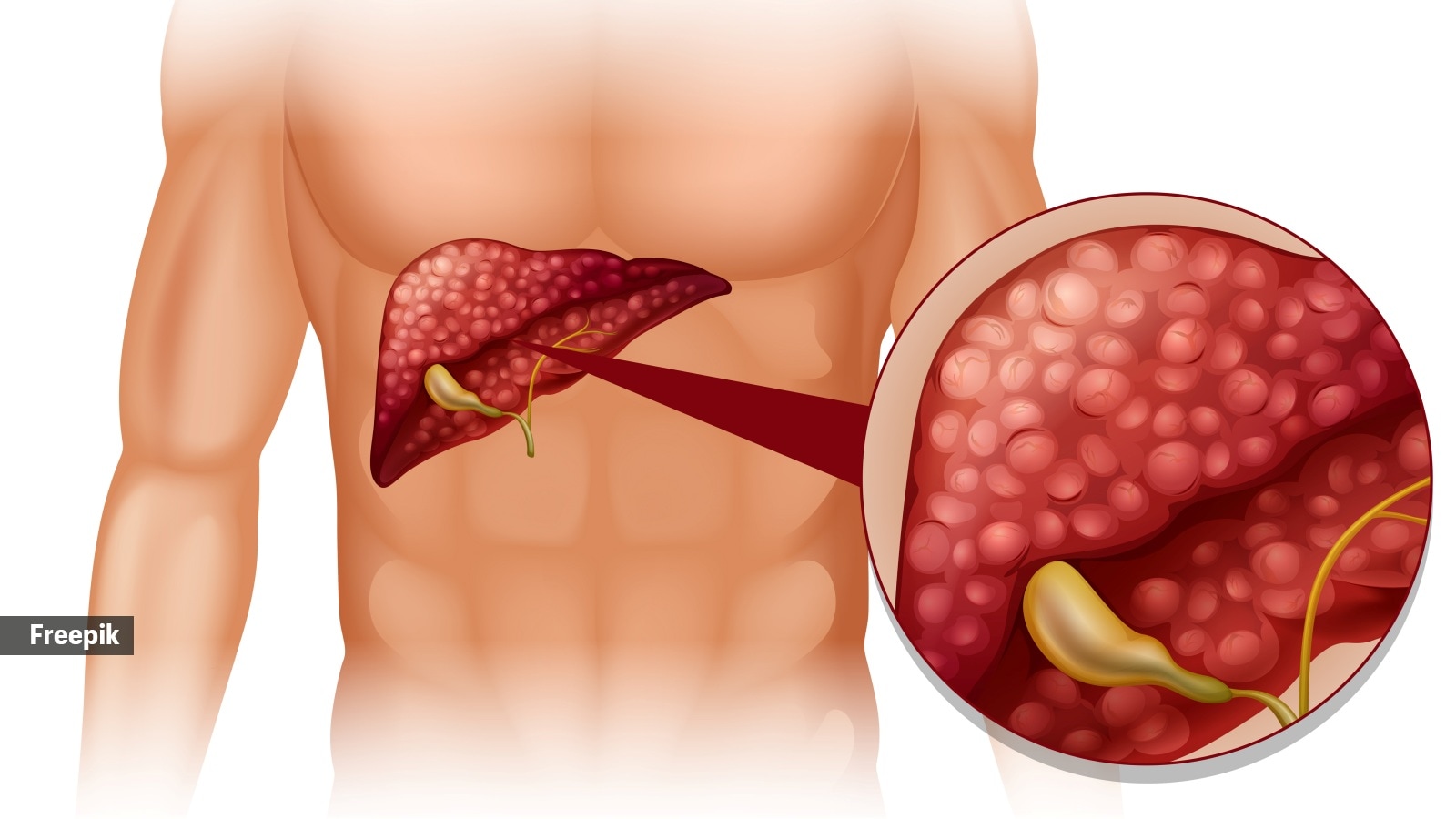
Receiving a diagnosis of liver cirrhosis can feel overwhelming. This chronic condition is often the result of long-term factors such as excessive alcohol consumption, chronic hepatitis B or C, fatty liver disease, or autoimmune disorders.Recently, a newly diagnosed patient took to Quora, asking: ‘I am newly diagnosed with cirrhosis. Can it be reversed?’ Since the sentiment may resonate with several patients, we decided to dig deeper and seek answers.
While the diagnosis can feel overwhelming, experts say the answer depends largely on the stage of the disease. According to Dr Ameet Mandot, Director – Hepatology, Gleneagles Hospital, Parel, cirrhosis is typically not fully reversible once significant damage has occurred, ” especially in advanced stages, as the liver develops permanent scarring.”

DISCLAIMER:This article is based on information from the public domain and/or the experts we spoke to. Always consult your health practitioner before starting any routine.
Can it be reversed at all?
There is some hope if the condition is caught early. “If cirrhosis is detected at an early stage, some liver damage can be partially reversed with proper treatment and lifestyle changes.” However, he adds, “If major scarring has occurred, it is mostly permanent, and the focus shifts to preventing further progression.”
Can treatment improve liver function?
Yes, especially in the early stages. “In the early stages of cirrhosis, treatment and lifestyle changes can improve liver function.” Addressing the root cause—such as alcohol use, infections, or poor diet—can make a significant difference. “Managing the cause, like stopping alcohol, controlling infections, or improving diet, can slow progression and even allow partial healing.”
 A liver cirrhosis patient is strictly advised to avoid alcohol (Image: Unsplash)
What lifestyle changes are essential?
Daily habits play a critical role in managing cirrhosis. “Quit alcohol, follow a balanced low-salt diet, and maintain an optimum weight with regular medical follow-ups.” He also stresses the importance of managing underlying conditions and avoiding self-medication to protect liver health.
What treatments can help?
Treatment is focused on slowing or halting progression. “Treatments focus on managing the underlying cause, such as antiviral therapy for hepatitis, medications for complications, and strict alcohol avoidance.” Regular monitoring and proper nutrition are equally important.
Story continues below this ad
When is a liver transplant needed?
In advanced cases, a transplant may be the only option. “A liver transplant is considered in advanced cirrhosis when the liver fails.” The good news is that outcomes can be positive: “Long-term outcomes are generally good, with many patients living 10–20 years or more after transplant with proper care and follow-up.”
While cirrhosis cannot always be reversed, especially in later stages, early diagnosis and the right interventions can significantly improve outcomes. Timely treatment, lifestyle changes, and regular medical care can go a long way in slowing the disease and maintaining quality of life.
DISCLAIMER:This article is based on information from the public domain and/or the experts we spoke to. Always consult your health practitioner before starting any routine.
