

4 min readApr 22, 2026 04:49 PM IST
Iranian forces reportedly opened fire on three commercial vessels in the Strait of Hormuz on Wednesday, while seizing two vessels amid continued risks to global energy flows, even as US President Donald Trump signalled an extension of the ceasefire with Tehran.
According to the British military’s United Kingdom Maritime Trade Operations (UKMTO) centre, at least two ships were targeted in quick succession, with Iranian media later reporting that a third vessel was also attacked.

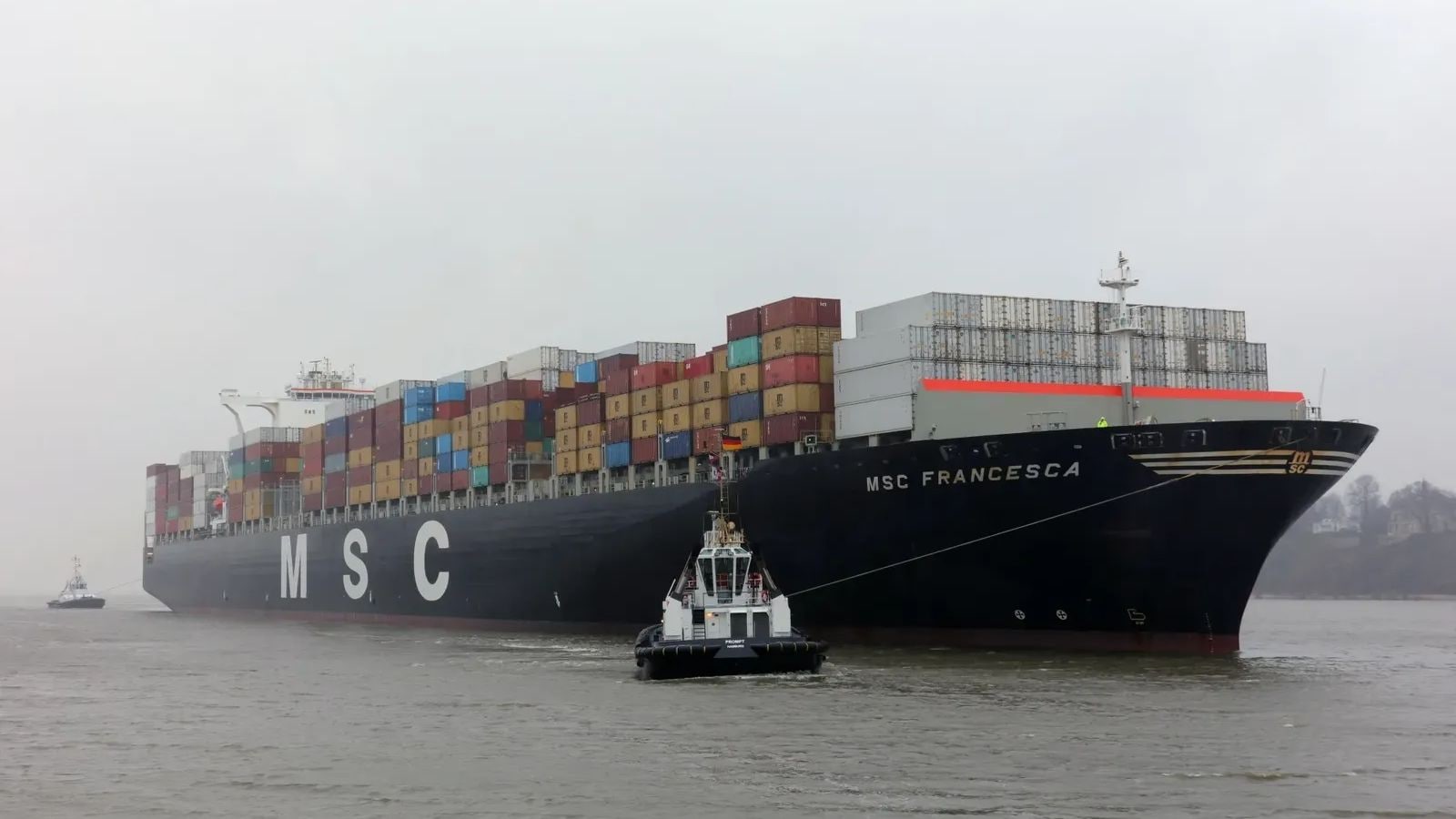
Iranian state television said the operations were carried out by the country’s paramilitary Revolutionary Guard and reported that two of the vessels had been taken into Iranian custody. The ships were identified as the MSC Francesca and the Epaminodes.
While Tehran has not formally responded to the ceasefire extension, an Iranian diplomat told The Associated Press (AP) that negotiations would not resume unless the blockade is lifted.
Fired at without warning?
The UKMTO said the first vessel was fired upon by a Revolutionary Guard gunboat without prior warning, adding that no injuries were reported. Iranian outlet Nour News, however, stated that the ship had ignored warnings before being targeted. The semi-official Fars News Agency described the action as enforcement of Iran’s control over the strait.
Reports from Nour, Fars and Mehr News Agency indicated that a third vessel, identified as the Euphoria, was also involved in the incident, with claims that it had become stranded along Iran’s coast. No additional details were provided.
The Strait of Hormuz, which connects the Persian Gulf to open waters, is one of the world’s most critical shipping lanes, with roughly one-fifth of global oil and gas supplies passing through it during peacetime. Disruptions in the area have already contributed to rising energy prices, with Brent crude trading above $98 per barrel, reflecting a sharp increase since the conflict began.
Story continues below this ad
Despite a pause in direct large-scale military exchanges, maritime confrontations and enforcement actions have continued. More than 30 shipping-related incidents have been reported across the region since the conflict escalated in late February following US and Israeli strikes on Iranian targets.
Iran’s Revolutionary Guard said it remains prepared to escalate further, stating it would deliver “crushing blows” against adversaries’ assets in the region. The statement followed public displays of missile systems during rallies held by hard-line supporters of Iran’s leadership.
Where the peace talks stand
Efforts to restart negotiations remain uncertain. Pakistani officials told AP that Islamabad is awaiting confirmation from Tehran on the timing of a potential delegation for future talks. Mojtaba Ferdousi Pour, head of Iran’s mission in Egypt, also told AP that no delegation would travel for discussions while the US blockade remains in place.
Separately, violence persisted elsewhere in the region. In Lebanon, the state-run National News Agency reported that an Israeli drone strike in the village of Jabbour killed one person and wounded two others. Israel’s military denied carrying out the strike. A 10-day ceasefire between Israel and the Iran-backed Hezbollah had taken effect days earlier.
Story continues below this ad
Casualty figures across the conflict remain significant. Iranian authorities report thousands killed since hostilities began, while casualties have also been recorded in Lebanon, Israel and parts of the Gulf region, along with losses among US service members.
Stay updated with the latest – Click here to follow us on Instagram
© IE Online Media Services Pvt Ltd
