

4 min readNew DelhiApr 22, 2026 05:00 PM IST
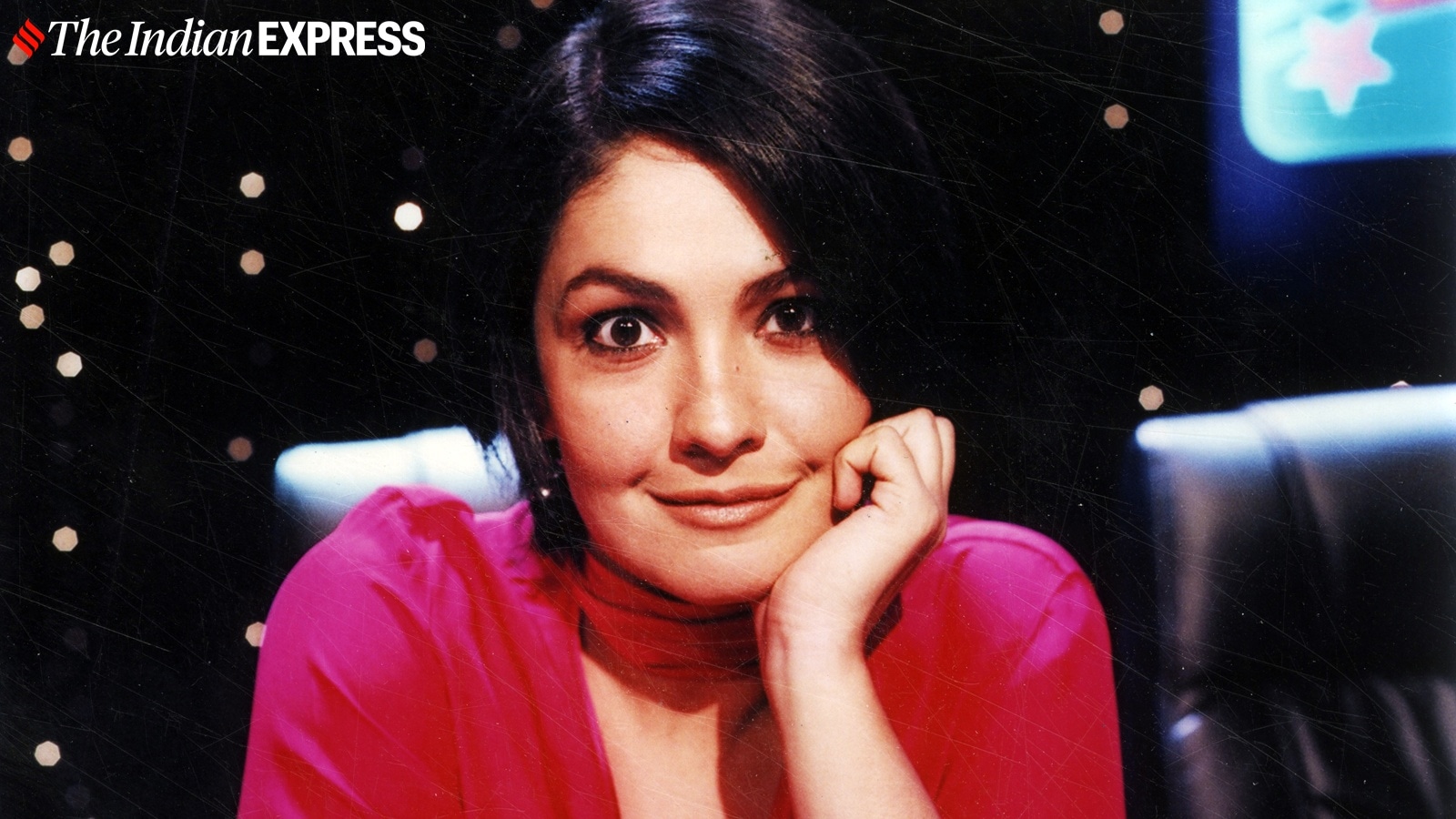
After her divorce in 2014, Pooja Bhatt has spoken candidly about embracing a life that feels both independent and deeply fulfilling. Reflecting on her journey, she said, “It is glorious. I am enjoying being single. I have been in relationships probably since I was 16. I am as free as a bird now. I am the captain of my own ship. I call my own shots. I have so much love to offer to the world. I have friends, cats, books and my craft. I am a nomad, and I travel a lot. I want to be able to pick up my bag and go whenever I want. I discovered gymming at the age of 50. For me, my gym is my temple now.” Her words capture a shift many people experience later in life—moving from relationship-defined identities to a more self-directed sense of purpose and joy.
At the same time, her perspective on love remains nuanced rather than dismissive. She told Times of India, “I will always be someone who will celebrate love. I have a combination of friends – some who have been married for 40 years and some who have been divorced four times. I am not missing out on anything. For the first time in my life, I feel complete. I think it has taken me a long time to realise that it is not only about finding the right person, but about being the right person. I quit alcohol eight and a half years ago. Quitting alcohol was the easy part, but when you do that, you realise what you were running away from while that drink was being used as a painkiller. Love is no different.”

So, how does long-term relationship dependency shape one’s identity?
Gurleen Baruah, Existential Psychotherapist at That Culture Thing, tells indianexpress.com, “There is no one fixed way this looks. Everyone responds differently because everyone is different. People who move into singlehood after long-term relationships do it for their own reasons.”
She notes that in this case, as Pooja Bhatt has shared, it reflects growth, feeling happier, and focusing more on the quality of relationships rather than just being in one. “So it really comes down to where the person is in their life right now, what they want, and what feels right and healthy for them.”
What does emotional completeness actually look like in real life?
It is a spectrum in the sense that how “complete” someone feels can change over time. I am not sure whether being completely “complete” is even a fixed goal to achieve. Baruah mentions that humans are “wired to experience emotions throughout life; there is always an ebb and flow.”
“We also have the hedonic treadmill, where happiness or satisfaction returns to a baseline. So completeness itself may not be something permanent or even necessary. It may be more about being able to sit with uncertainty and still feel okay within yourself,” states Baruah.
How can people identify healthier ways to process underlying feelings instead of seeking distraction or escape?
Baruah says that when someone recognises that relationships or substances were being used like a painkiller, it points to a numbing coping mechanism. “There is awareness there. After awareness and acknowledgement, change can begin. And that change is about taking charge of your own life, making choices with intention, and developing a more internal locus of control rather than relying on external ways to cope.”
