

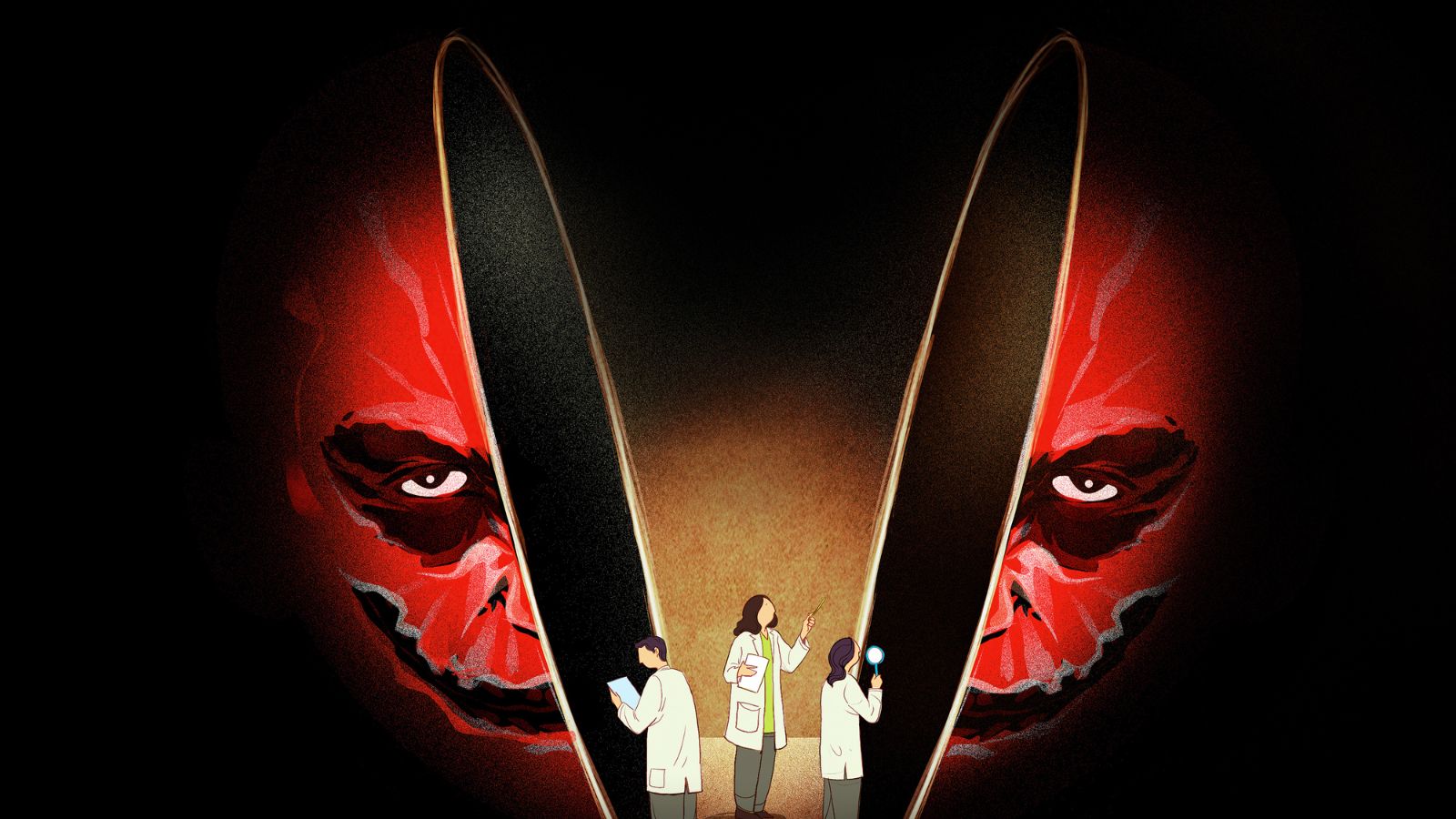
In the late 1970s, FBI special agent John Douglas visited prisons across the United States, interviewing serial killers and sex offenders such as Ted Bundy. The project helped enforcement agencies develop comprehensive psychological profiles of some of the most notorious criminals in the country, offering a rare window into their twisted minds. Douglas also co-authored a series of books on the subject, one of which, Mindhunter: Inside the FBI’s Elite Serial Crime Unit, was adapted into a Netflix series.
Looking to replicate the idea in Maharashtra’s prisons, on May 7 this year, the state government approved RUDRA — Research Unit for Detection and Resolution of Anomalies in Criminals — a 10-year project as part of which 10 MBBS students from Mumbai’s Nair Hospital would be granted access to prison inmates involved in serious offences.

The project, approved at the cost of Rs 1.80 crore, is aimed at helping build a profile of repeat offenders – predicting what traits in an inmate would hint at him/her repeating a crime, forecasting of crimes and coming up with measures to help inmates who may need counselling or other psychological help.
The start of an idea
In 2024, state Home Department Secretary Radhika Rastogi was looking to start a programme that would study the mental well-being of prisoners and find out what drove them to commit these crimes.
Having visited women’s prisons in Sambhaji Nagar (Aurangabad) and Nashik, Rastogi began to see a pattern. In the Aurangabad prison, for instance, there were several cases where women had killed their daughters-in-law or sisters-in-law for not getting dowry while in Nashik, there were several cases of women killing their husbands after putting up with years of domestic abuse.
“We were upgrading the prison manual and wanted to do something for the rehabilitation of prisoners – looking at the causes that led them to commit the crime,” says Rastogi.
It was then – around May last year – that Rastogi met Atharva Deshpande, then a 20-year-old MBBS student at Nair Hospital in Mumbai who came up with a proposal to replicate FBI agent Douglas’s idea in Maharashtra’s prisons.
Story continues below this ad
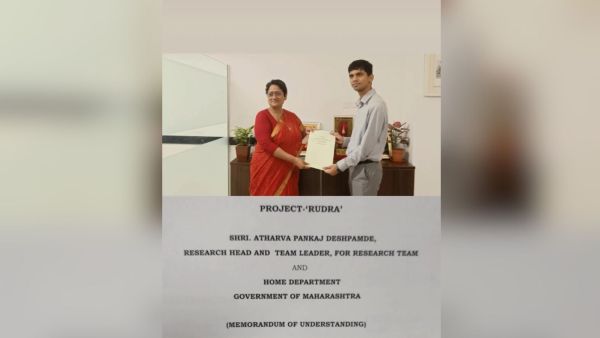 State Home Department Secretary Radhika Rastogi with Atharva Deshpande, a 21-year-old MBBS student at Nair Hospital in Mumbai, who proposed a criminal profiling project in Maharashtra’s prisons. (Express Photo)
The Nagpur-based Atharva had read Douglas’s Mindhunter several decades after it was published and had been blown away by the idea of psychologically profiling criminals. He had even co-written a paper, based on information available online, about the behaviour of serial killers across various continents and got it published in the Journal of Forensic Medicine Science and Law, a publication of the Medicolegal Association of Maharashtra.
Wanting to set up a similar programme in the state, he approached the Maharashtra government a couple of times but was turned away, say home department officials. It was then that he met Rastogi.
“Atharva and some other MBBS students approached us, asking us to allow them to carry out a study on criminals involved in serious offences in prisons across the state – on the lines of a similar study carried out by the FBI in the ’70s,” says a home department official.
Atharva says, “I strongly believed that criminal profiling would be helpful in predicting the chances of an offender repeating a crime. It can help law enforcement take steps to halt the crime, forecast the crime, see why a particular crime happened and ensure rehabilitative measures are put in place.”
Story continues below this ad
He adds, “While studies have been done in the US in the past, things would differ in India since it has a different cultural context. Hence, it was necessary that we carry out the study in Indian prisons.”
Atharva was then given an audience with Chief Minister Devendra Fadnavis, who also holds the Home portfolio. Atharva made a presentation to the Chief Minister, following which he was allowed to carry out a pilot project in two prisons.
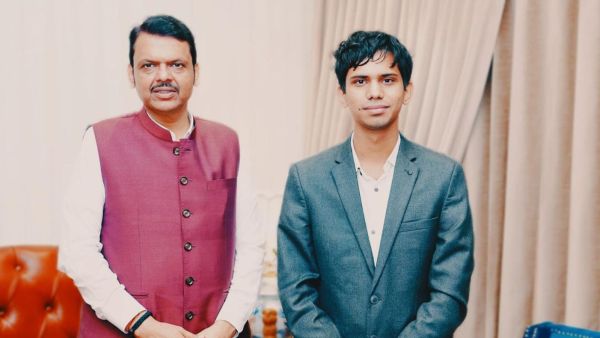 Atharva Deshpande with Chief Minister Devendra Fadnavis. (Express Photo)
A pilot project
An official said that in August 2024, Atharva and nine other MBBS students were allowed access to Amravati and Nagpur prisons to interview some of the inmates involved in serious offences. By January 2025, Atharva submitted a report on the pilot project to the Home Department, details of which haven’t been made public.
On May 7, the Maharashtra government approved the project for a 10-year period, as part of which Atharva and the nine other MBBS students from Nair Hospital would be granted access to inmates from prisons across the state. The government approved a budget of Rs 1.80 crore for the project.
Story continues below this ad
An official from the Home Department said the project is at a nascent stage and they are still working out the methodology and other details of the study. The official said the inmates who are being interviewed are being grouped under different categories – those facing more than two murder charges; those with more than two rape cases; gang rape cases; rape with murder of minor; and other gruesome offences that merit psychological evaluation.
“While we can begin with analysing serious offences, we can broaden the project to look at other crimes as well… It will take us several years to get insights into why someone turns to crime,” the official says.
