

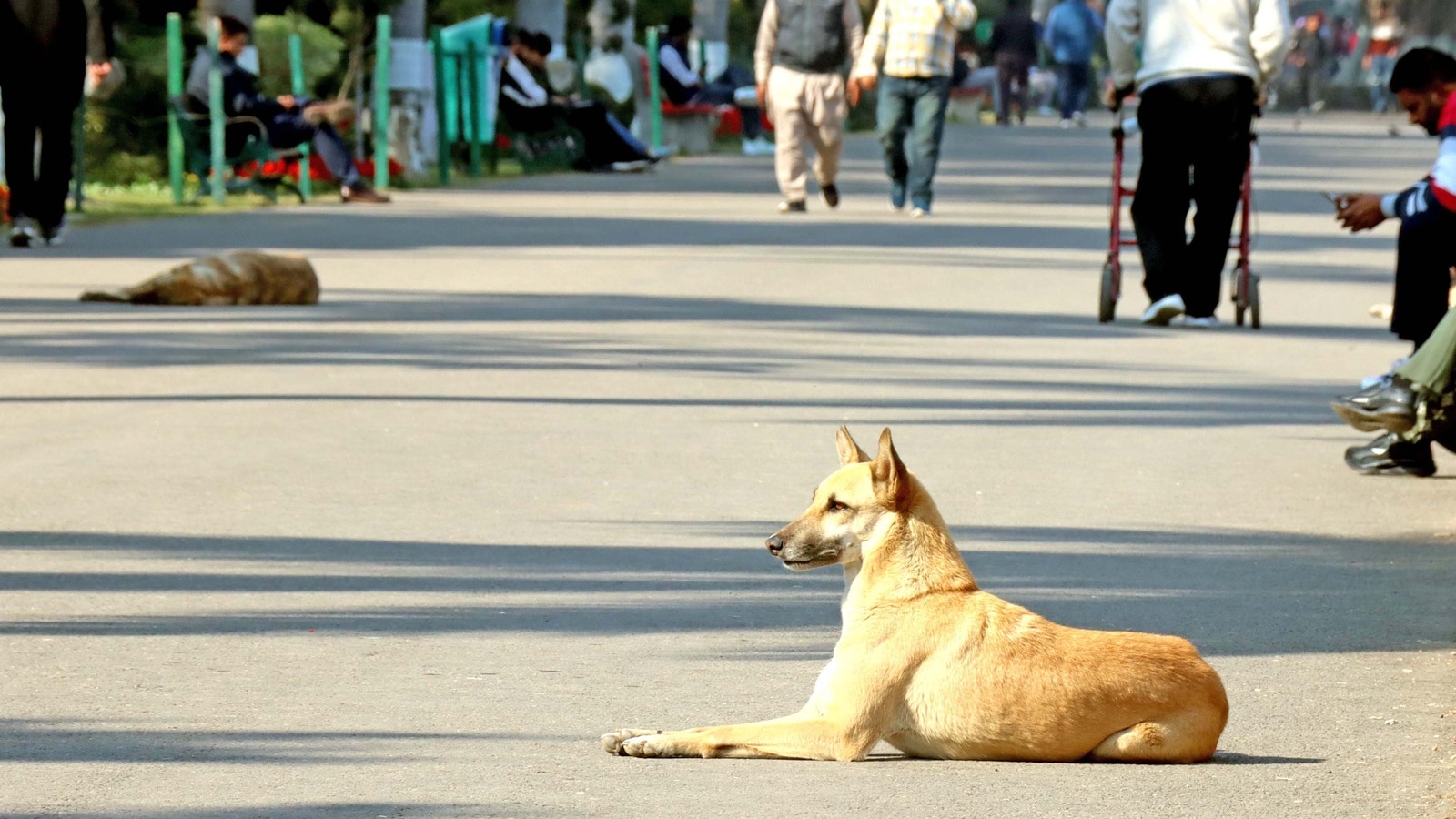
The weeks after the Supreme Court order on street dog removal and the subsequent stay have seen much debate on how street dogs should be managed. Science backs neutering and mass vaccination, while on social media and RWA WhatsApp groups, many people still believe that removal is the only way to reduce their numbers and achieve health goals.
If there is one lesson from the last two decades, it is this: Removal or culling will not work. India stopped culling as an official policy in 2001. Since then, the Indian Livestock Census shows dog populations have fallen dramatically, from 25.5 million in 1997 to 9.4 million in 2019.

Another area of progress has been rabies control. With improvements in human post-exposure prophylaxis (PEP), estimated human rabies cases fell by about 75 per cent, from 20,565 in 2003 to 5,276 in 2022–23. Reported cases in the National Health Profile declined from 274 in 2005 to 34 in 2022. Dog bite numbers too are falling: Integrated Disease Surveillance Programme (IDSP) records show a nationwide decline from 7.5 million in 2018 to 3.7 million in 2024. Delhi alone saw bites drop from over a lakh in 2018 to 25,210 in 2024. Nationwide surveys show a decline in annual dog bite incidence from 17 per 1,000 persons in 2003 to 5.6 per 1,000 persons in 2022-2023. Going by these trends, even serious injuries and mauling are likely declining, though they understandably receive far more public attention.
Why, then, the growing controversy?
If human rabies cases and dog bites are down, why does public anger about street dogs appear to be rising? The reasons for this are complex.
First, technology amplifies every negative incident. Social norms about street dogs are also changing. Videos of bites or barking spread instantly, fuelling panic and rancour. Second, dog densities in some pockets have risen due to migration linked to excess food and intentional relocation from other areas. This makes minor issues, such as night-time barking or congregation, more likely to invite anger. In fact, ROH-Indies research shows that barking, chasing, and nuisance are the top public complaints about street dogs across India.
Third, caregiving practices have changed. Where once food was shared casually, now some caregivers provide complete, daily meals to groups of dogs, making them cluster and behave more like pets, especially when they become attached to caregivers. These dogs may guard feeding sites and caregivers, and bark at or chase unfamiliar people and vehicles. While very friendly to some, they may be intimidating to others, especially those fearful of dogs. This erodes the “street skills” that allow them to coexist peacefully with the wider community. Well-meaning feeding, in other words, can unintentionally escalate conflict.
Court orders in the Supreme Court and high courts reflect this rise in tension — from a single order on street dog conflict in the early 1990s to 80 between 2022 and 2024, more than a quarter of them about caregiving or feeding.
Street dog management is not a silver-bullet solution
India relied on elimination for over two centuries, without denting rabies or reducing dog numbers. Socio-ecological dynamics mean that when one set of dogs is taken away, others quickly move in. And where dogs are eliminated, other animals fill the gap. In some localities in India, it is cats; in Britain and North America, raccoons, coyotes, foxes, gulls and even bears have become urban cohabitants, generating similar public debates.
Even street dog-free regions are not bite-free. In England and Wales, hospital attendances for dog bites rose by 88 per cent between 2007 and 2021–22, and registered deaths increased from 2 in 1983 to 16 in 2023. Dog ownership is no guarantee of safety — breeding, confinement, and lack of stimulation often worsen aggression.
India’s real gains in rabies prevention have come from improvements in human PEP and mass dog vaccination. The problem is not policy direction, but patchy implementation. PEP accessibility, cold chain maintenance, vaccine schedule adherence, and awareness about wound washing and correct administration even among health workers, remain inadequate. Supplies of immunoglobulins and monoclonal antibodies are still unreliable.
Smart caregiving and safe cohabitation
Street dogs have evolved naturally alongside human settlements with the skills to live safely with people; our research shows that human-street dog interactions are predominantly uneventful, with dogs interacting antagonistically with people in only about 2 per cent of observed interactions.
What is needed are serious, focused efforts to address current concerns at their roots. Apart from strengthening human PEP systems, this requires “smart caregiving” practices that allow street dogs to retain their natural skills to live independently and interact safely with people. Regular feeding is better limited to starving, sick, injured or orphaned dogs, with healthy dogs fed only occasionally to help with vaccination and sterilisation. Preventing congregation and choosing low-visibility locations are vital. Smart caregiving also requires immediate mitigation and de-escalation of conflict, and crucially, actions to prevent conflict.
At the same time, investment in public education, for both adults and children, is essential to restore everyday knowledge about safe interaction with street dogs — knowledge that has been eroded as lifestyles have become more insulated. Environmental management to prevent congregation and to tackle sources of conflict like chasing is also necessary.
Public health is not served by panic, nor by one-size-fits-all directives. It can be achieved only through the steady implementation of an integrated approach that incorporates the right measures for different sources of conflict and that is tailored to the socio-ecological realities of specific neighbourhoods.
Krithika is the Principal Investigator, ROH-Indies research project, University of Edinburgh. Ramasubramanian is a senior infectious disease specialist, Apollo Hospitals & Capstone Clinic, Chennai
