

3 min readMar 16, 2026 07:12 AM IST
First published on: Mar 16, 2026 at 06:13 AM IST
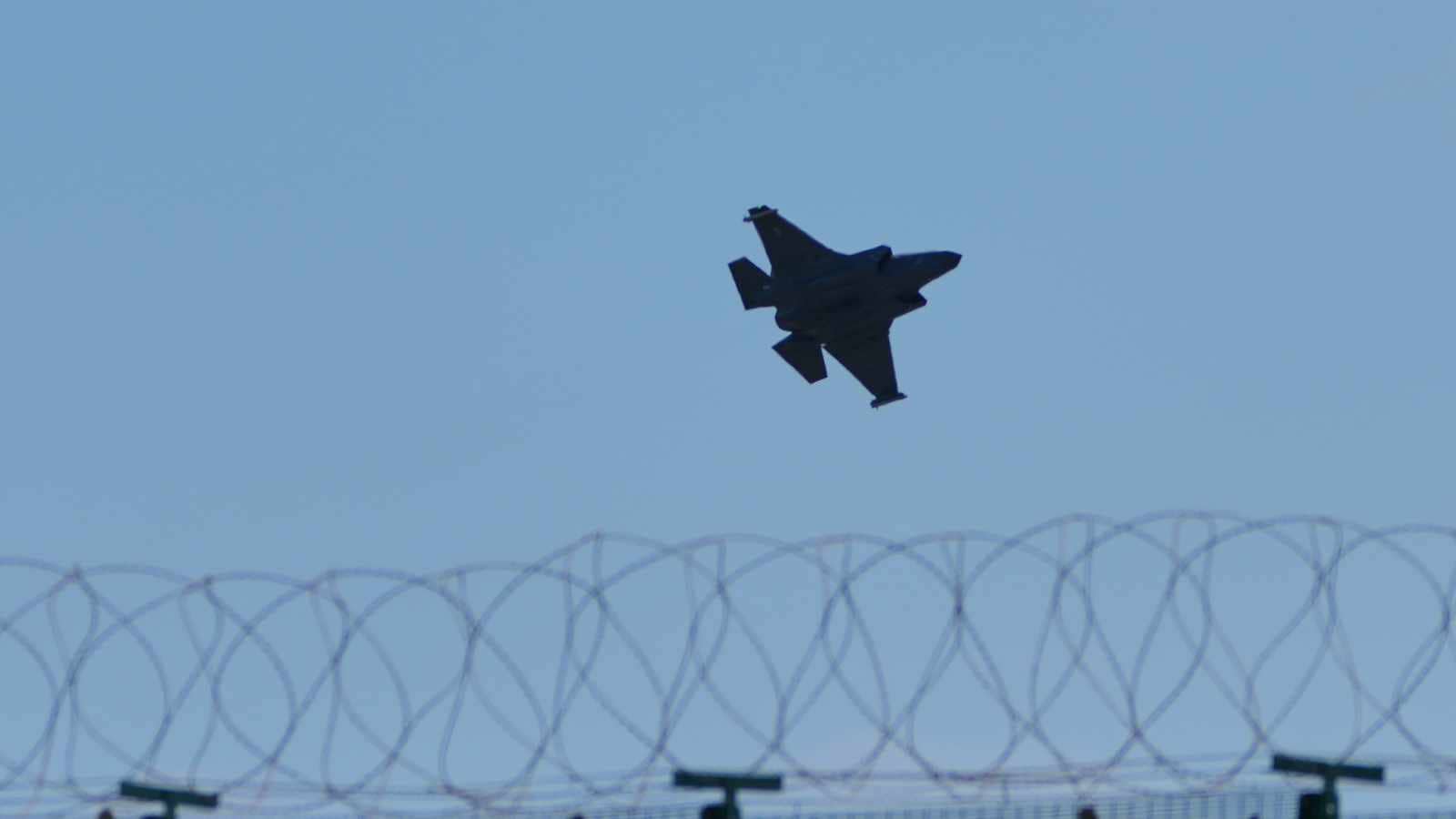
The US-Israel air campaign against Iran highlights both the power and the limits of air‑delivered retribution. Air strikes can penetrate deep, hit critical nodes with precision, and signal resolve within hours — yet even with this intense barrage, few serious observers believe Tehran’s regime will fall to just bombs and missiles. While acknowledging the prowess of air power, military historian T R Fehrenbach articulated the importance of boots on the ground over bombs in the sky. That logic frames the central question for India: Air power can punish and deter, but who will convert those fleeting effects into enduring political outcomes?
Air power has become critical to contemporary statecraft. It satisfies domestic expectations for visible retribution and sends deterrent signals to foes, while avoiding full-scale conflict. In May 2025, the IAF conducted long-range strikes at will, forcing Pakistan to seek a ceasefire. However, the outcomes of air power are also easier to question. As arguments following Balakot demonstrated, observers can doubt the degree of the damage inflicted, despite the value of the strike’s political signal. The adversary, then, has significant incentives to downplay losses. Air campaigns can be operationally successful and tactically beneficial, but claims of “victory” remain vulnerable to narrative warfare. For India, this means swift air retribution cannot be the single foundation upon which military victory is built.

In the Russia-Ukraine conflict, every movement in the frontline is regarded as a strategic milestone. Similarly, the purpose in Kargil was to remove Pakistani intruders and restore the LoC’s integrity. Gaining territory requires superiority in contact warfare. The Army’s primary objective is to win contact battles, then occupy and protect captured territory. Land forces worldwide often prioritise “strategic” capabilities, like long-range missiles and advanced stand-off systems. When an army acts like a second air force, it risks under-equipping the infantry and artillery.
Clear roles are the solution. The Air Force and authorised tri-service strategic forces should be responsible for long-range deep strike operations. The Army should prioritise suppressing enemy artillery, neutralising local reserves, and enabling manoeuvre over pursuing independent strategic strikes. The Navy must avoid becoming a small “air force at sea” at the cost of underinvesting in submarines, anti-submarine warfare, logistics and upkeep.
India’s indigenisation effort offers an opportunity to align technology, doctrine, and budgets. The Army can create a soldier-centric ecosystem by incorporating reliable indigenous small arms, night sights, integrated infantry radios, armoured and mine-protected vehicles, artillery, loitering munitions, counter-drone systems, and field-ready software tools. These will be more important in the next crisis than any long-range platform.
The Army’s ability to march into hostile territory when directed is important. To get there, the services must embrace technology while remaining true to their basic missions, and the Army, above all, must invest in the hard, vital qualities of close combat that have always determined victories in wars.
The writer is a former DG (I&S), fighter pilot and air advisor at the High Commission of India, London
