

4 min readNoidaFeb 4, 2026 06:22 AM IST
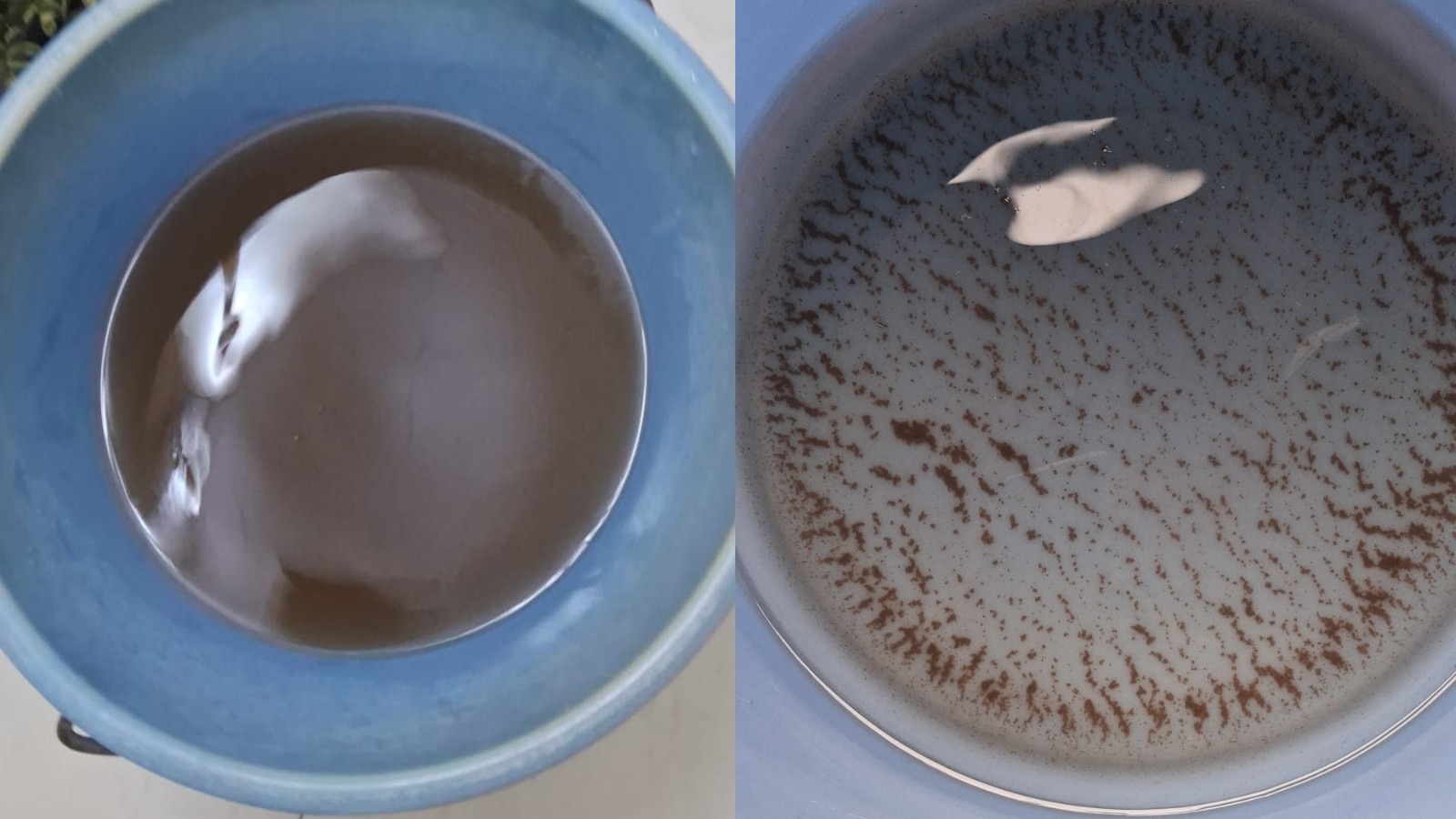
For nearly three months now, residents of Noida’s Sector 29 Brahmaputra Apartments — housing mostly army veterans — have been receiving muddy, foul-smelling water in their taps. On occasions, they claim, they have seen live worms wriggle out of water. After repeated complaints to authorities yielded little beyond assurances and temporary fixes, residents say, they were forced to get the drinking water tested privately.
The test reports have confirmed their worst fears — bacteriological contamination that renders the water unfit for human consumption. According to laboratory reports from a Delhi-based government-approved testing facility, coliform bacteria were detected in water samples collected from the society, a direct violation of Bureau of Indian Standards (BIS) drinking water norms, which mandates zero tolerance for coliform presence. Coliform typically indicates faecal contamination, often caused by sewage mixing.

Geeta Gumbeer, head of the area’s Residents’ Welfare Association (RWA), says, “Every now and then, we face such spells when we get dirty water in taps, but this time it has gone on far too long… three months. When we complain, the authorities give us excuses. They ask us to let the water run for half an hour… so it becomes clear but they have been unable to give a conclusive answer or resolution.”
On at least two occasions, Gumbeer adds, residents had to be hospitalised after suffering severe diarrhoea. “Their condition became so extreme that they had to be admitted. They told us they hadn’t eaten outside food for a long time. So what else could it be if not the water?” she questions. “What are we waiting for? an epidemic?” Gumbeer asks, referring to the deaths in Indore to alleged consumption of water contaminated with sewage — “Are we waiting for Noida to head the Indore way?”
Residents allege that instead of fixing the underlying issue, officials have been alternating between denial and temporary measures. “They told us insects were appearing because we are at the end of the supply line, or because of backflow from an unoccupied house,” Gumbeer says.
Another resident, Veera Prasad, said officials from the Jal Vibhag were largely unresponsive. “We went and met them. The attitude was completely lackadaisical.”
With no resolution in sight, most residents have installed a filter on the main supply line to trap larger particles, followed by RO filtration and boiling. “We cannot use RO water all the time, what do we do when we have to brush our teeth? An RO filter, which generally lasts three to six months, gets choked within a month,” Prasad says.
Story continues below this ad
The privately conducted water tests, carried out on samples collected from the society in January, show that while most chemical parameters such as pH, total dissolved solids, chloride, iron and hardness were within permissible limits, bacteriological tests failed. The report explicitly states that coliform bacteria were detected, and concludes that the sample “does not conform to IS 10500 standards in respect of coliform bacteria”. Taste testing was not conducted due to “presence of microbial growth”.
Several residents claim that many families have started taking deworming medication as a precaution. “Enough of the poodle-shaking and lame excuses. They keep sending lower-level staff who don’t understand the problem. The JE or senior officials never come. There is a complete ‘couldn’t care less’ attitude,” said Army General Rajender.
This comes amid repeated water contamination scares across Noida and Greater Noida over the past month, with reports on several residents in sectors such as Delta 1 and Alpha 2 being rushed to the hospital after consuming contaminated water. In January, following complaints of residents falling ill in Greater Noida, the Greater Noida Industrial Development Authority (GNIDA) had constituted a high-level technical committee to audit pipelines, reservoirs and water ATMs, amid heightened concern after deaths linked to contaminated water in Indore. The National Green Tribunal (NGT) also took suo motu cognisance of water contamination complaints in multiple states, including Uttar Pradesh, in January.
Meanwhile, residents of Sector 29 say that their patience is wearing thin.

