

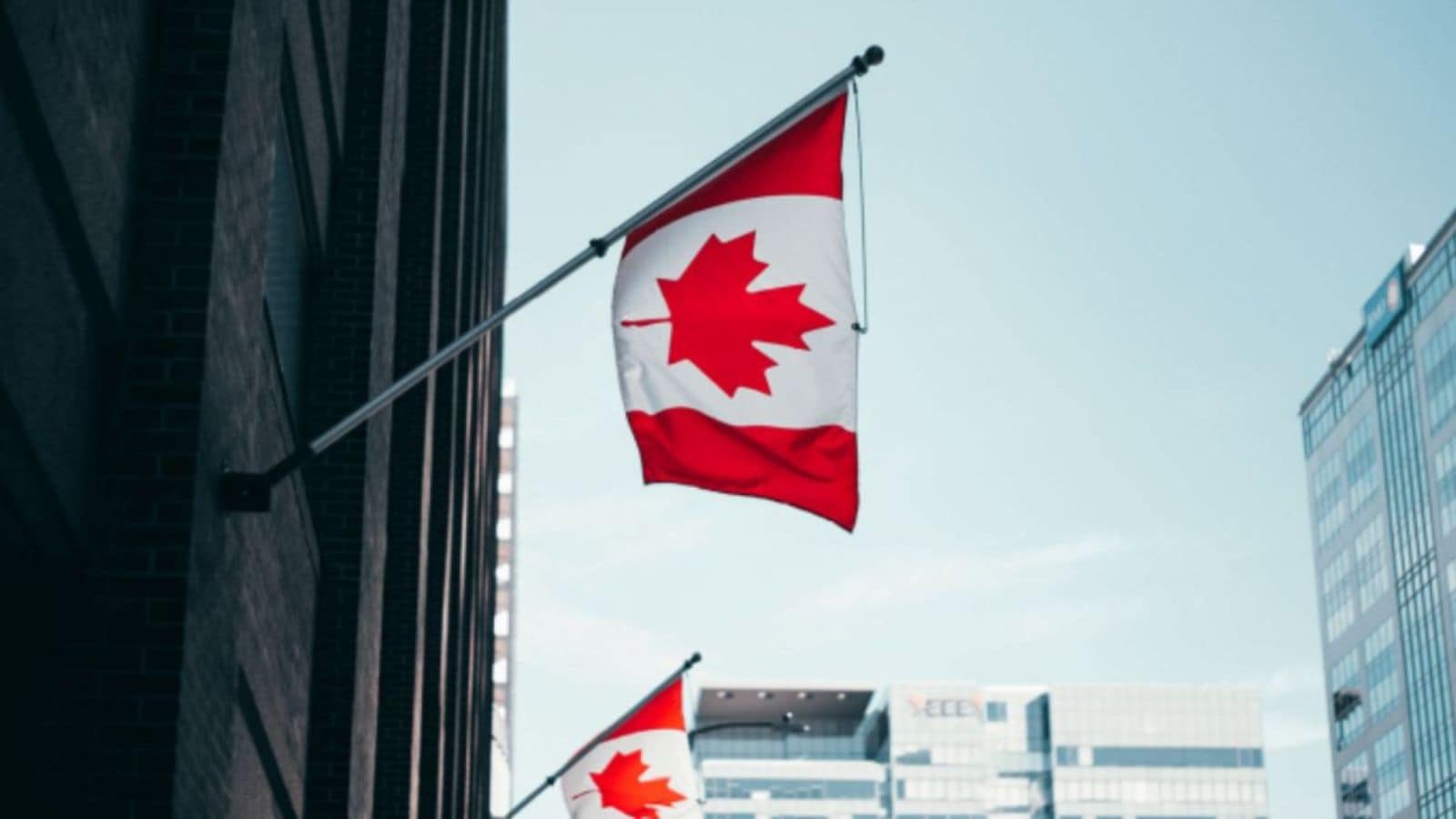
 CanadaVisa says that a permanent resident can apply for citizenship after living in Canada for at least three years within a five-year period. (File Photo)
 For many newcomers, including a large number of applicants from India, the path to Canadian citizenship can feel confusing, from figuring out where to begin to understanding the steps in the process.
Canada allows permanent residents to apply for citizenship after meeting a set of legal and residency requirements, a process that has gained renewed attention amid immigration backlogs and policy tweaks.

Each year Canada welcomes more than 430,000 new permanent residents, and many of them eventually go on to become citizens after completing the required period of residency.
From physical presence rules and language tests to the citizenship exam and oath ceremony, here’s how eligible immigrants can apply to become Canadian citizens and what the process involves.
Who is eligible to apply for Canadian citizenship?
- According to CanadaVisa, a Cohen immigration law firm, a permanent resident can apply for citizenship after living in Canada for at least three years within a five-year period. Applicants must also meet other conditions such as:
- Maintaining permanent resident status.
- Filing taxes where required.
- Demonstrating language ability (where applicable).
- The firm explains that eligibility rules are designed to ensure applicants understand the responsibilities that come with citizenship.
How to apply for Canadian citizenship

According to CanadaVisa, the application process generally involves the following steps:
Story continues below this ad
- Confirm eligibility check, residency days and documentation.
- Prepare documents — identity records, PR proof, travel history, and other forms.
- Submit the application — pay the required government fees.
- Attend the citizenship test or interview (if required).
- Receive a decision — approval may lead to an invitation for the ceremony.
- The firm adds that legal guidance can help applicants avoid mistakes during filing. “Contact Cohen Immigration Law for assistance,” the website says.
Citizenship test and interview
However, applicants may be asked to take a citizenship knowledge test, which includes basic information about Canada’s history, values, institutions and rights. In some cases, an interview may be conducted instead of a test.
What happens at the Citizenship Ceremony
Once approved, candidates attend a Citizenship Ceremony to take Canada’s Oath of Citizenship. CanadaVisa describes this as the final step where applicants formally commit to the responsibilities and privileges of citizenship.
- Rights and responsibilities of citizens.
- Permanent residents share many rights with citizens, but citizenship provides additional benefits, including:
- The right to vote and run for office.
- The right to hold a Canadian passport.
- Full participation in civic life.
- CanadaVisa notes that citizenship also comes with duties such as respecting Canadian laws and democratic values.
- Proof of citizenship and children born abroad.
- The firm says that people with a Canadian parent or Canadians with children born outside Canada may be able to apply for proof of citizenship, instead of going through the regular naturalisation process.
Dual citizenship
Canada recognises dual citizenship, meaning new citizens are not required to give up their previous nationality. CanadaVisa explains that applicants should still review the rules of their country of origin.
Free consultation offer
CanadaVisa says individuals can request a free citizenship consultation with Cohen Immigration Law by submitting their:
Story continues below this ad
- Name
- Location
- Phone number
- Details of their enquiry
- The website also offers an optional subscription to its immigration newsletter.
