

4 min readPuneMar 11, 2026 06:14 PM IST
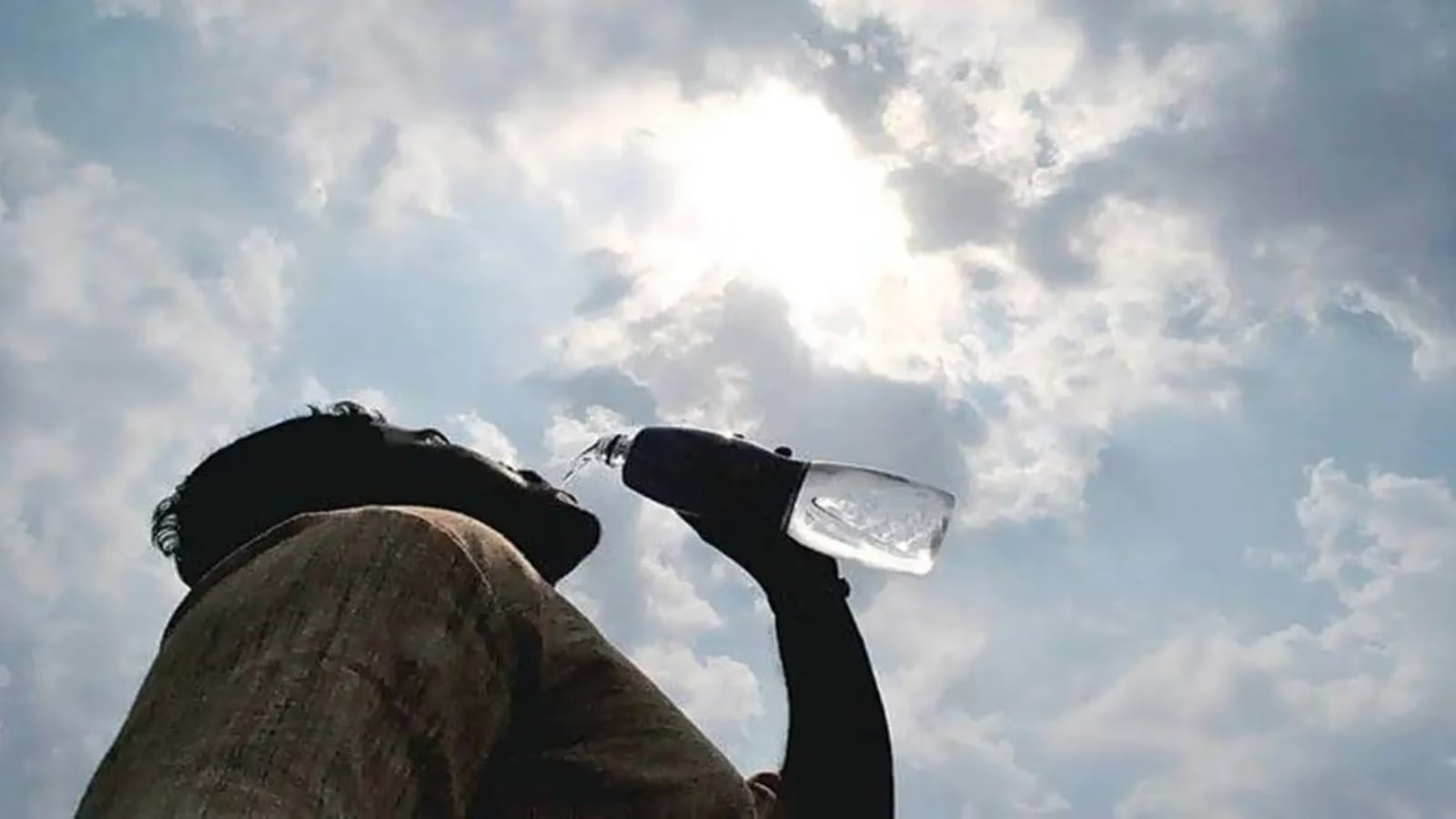
The Council on Energy, Environment and Water (CEEW), a climate think tank, on Wednesday presented a first-of-its-kind composite heat risk assessment of 734 districts in India using 35 indicators, offering a granular picture of how climate change has reshaped heat hazard trends from 1982 to 2022.
Of these, 417 districts fell in the high and very high risk categories while 201 were classified as moderate risk. The CEEW study highlights three key trends: an alarming rise in very warm nights; increasing relative humidity across North India, particularly in the Indo-Gangetic Plain; and heightened heat exposure in dense, urban, and economically critical districts such as Delhi, Mumbai, Ahmedabad, Hyderabad, Bhopal, and Bhubaneswar.

At a hybrid workshop on the challenges of extreme heat and the growing demand for power and water, CEEW experts Dr Vishwas Chitale, Nitin Bassi, and Disha Agrawal shared insights from their research. Dr Chitale explained that extreme heat now poses a risk to 57 per cent of Indian districts — home to 76 per cent of the population. “With Indian cities and districts increasingly navigating complex and erratic climate patterns, the need for heat-resilient planning and governance becomes urgent,” he said.
Very warm nights rising
According to the study, 70 per cent of the districts recorded more than five additional ‘very warm nights’ per summer over the past decade (2012-2022) compared to 1982-2011 (taken as the climatic baseline). ‘Very warm nights’ are defined as nights when the temperature stays unusually high — warmer than what used to be normal 95 per cent of the time in the past. By contrast, only 28 per cent of the districts saw a similar increase in ‘very hot days’. These warmer nights are rising faster than hot days and make it harder for the human body to cool down and recover from daytime heat. “This has serious health implications, especially for the elderly, outdoor workers, children, and people with pre-existing conditions such as hypertension and diabetes, in both urban and rural areas,” Dr Chitale said.
Heat action plans
While states like Maharashtra, Odisha, Gujarat and Tamil Nadu are already taking steps by integrating climate and health data into local planning, it is important to use granular data and include measures for dealing with night-time heat and humidity stress in the heat action plans, experts say. “Solutions like parametric heat insurance, early warning systems, net-zero cooling shelters and cool roofs must become core to heat action plans,” Dr Chitale added. The CEEW is currently supporting the development and strengthening of over 140 localised city and district-level heat action plans across eight states in India. The goal is to enable more than 300 such plans by 2027.
Relative humidity increasing across North India
The study also found that relative humidity has increased by up to 10 per cent across the Indo-Gangetic Plain over the last decade. While coastal areas typically record 60-70 per cent relative humidity, North India historically experienced levels around 30-40 per cent. Over the past decade, this has increased to 40-50 per cent. Traditionally drier cities such as Delhi, Chandigarh, Kanpur, Jaipur and Varanasi are now seeing higher humidity levels.
Rising power demand
Disha Agrawal, Senior Programme Lead, CEEW, said India needs to scale up to 600 GW of non-fossil-fuel capacity by 2030 to meet its growing electricity demand reliably and affordably. She said CEEW’s study ‘How Can India Meet Its Rising Power Demand? Pathways to 2030’ found that if India’s electricity demand grows as per the Central Electricity Authority’s (CEA) projections, the country’s existing, under-construction and planned generation capacities would be adequate to meet power needs in 2030. “However, if power demand were to continue to outpace current projections due to a warming planet or strong economic growth over the coming five years, the CEEW study says a high renewable energy (RE) pathway of 600 GW of non-fossil capacity by 2030 offers the most viable solution, mainly due to cheaper RE resources. This would include 377 GW of solar, 148 GW of wind, 62 GW of hydro, and 20 GW of nuclear energy.


Click here to join Express Pune WhatsApp channel and get a curated list of our stories
© The Indian Express Pvt Ltd
