

3 min readNew DelhiUpdated: Feb 28, 2026 03:57 AM IST
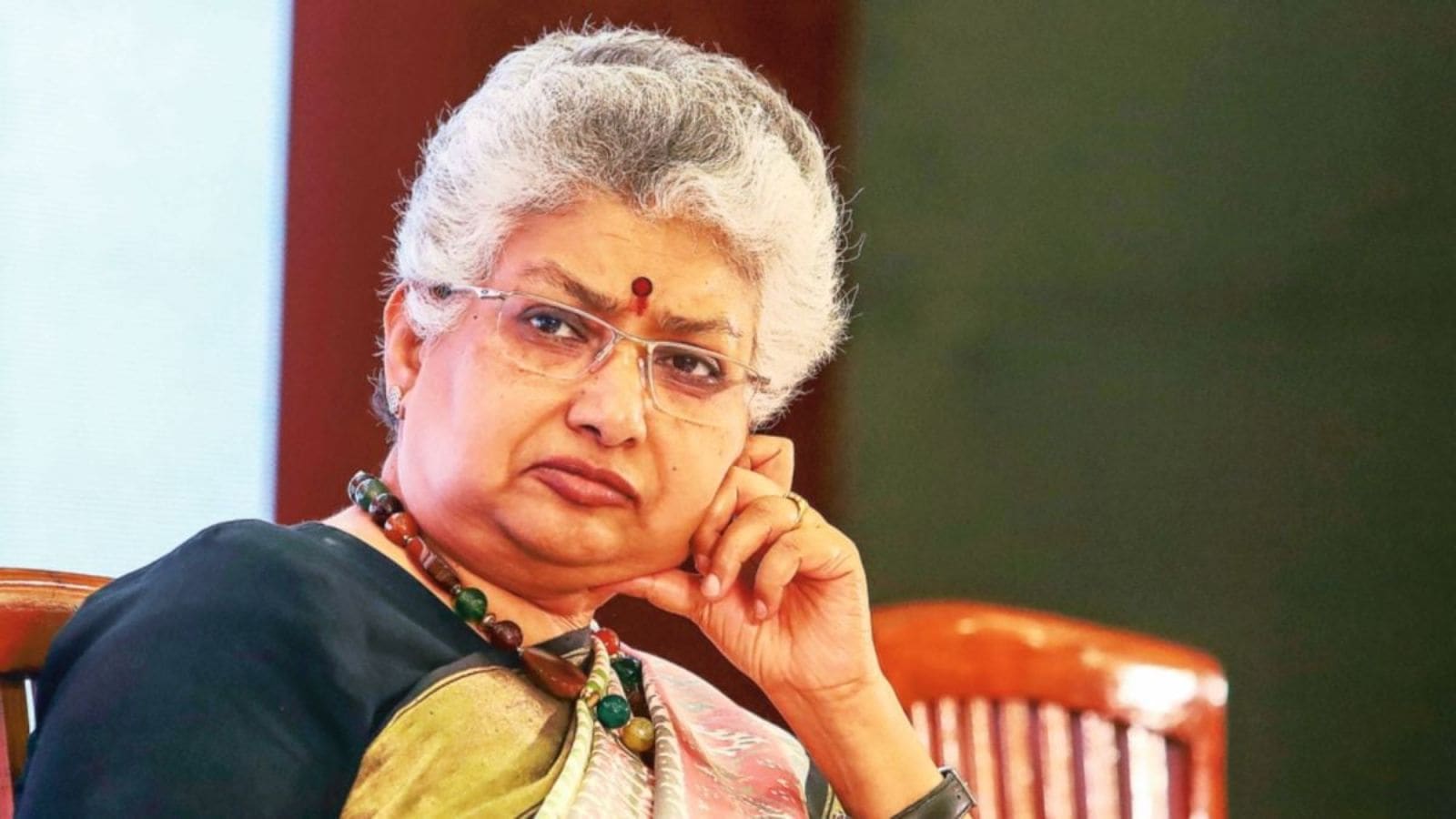
Highlighting the precarious nature of press freedom in an era of corporate consolidation, Supreme Court Judge Justice B V Nagarathna on Friday cautioned that while media outlets “may be legally free to criticise the government”, they often remain “economically constrained in ways that make such criticism costly or unsustainable”.
Delivering the address at the presentation of the International Press Institute (IPI) – India Award for Excellence in Journalism 2025, Justice Nagarathna emphasised the importance of a free press and press freedoms. She noted that in India, the media is protected under two distinct constitutional provisions: Article 19(1)(a), which guarantees freedom of speech and expression, and Article 19(1)(g), which protects the right to practice any profession or business.

However, she warned that this dual status creates vulnerabilities. “The most serious threats to press freedom are likely to arise not from direct censorship under Article 19(2), but from regulations justified under Article 19(6),” she said at the event held at Constitution Club. Article 19(6) allows the State to impose reasonable restrictions on the right to carry on trade or business in the interest of the general public.
Justice Nagarathna said economic regulations by the State through ownership rules, licensing laws, advertising policies, taxation and antitrust law have “profound effects on editorial independence”.
“This allows the State to influence the press indirectly while maintaining formal compliance with Article 19(1)(a),” she said. “In this way, freedom may exist in law, but may be weakened in practice.”
Raising a critical question regarding the financial sustenance of media houses, Justice Nagarathna pointed out that “editors internalise the risk that critical coverage may lead to… the withdrawal of lucrative advertising contracts, especially in present times when Governments, PSUs, political parties are vying with each other in being brazen with visual publicity through the press.”
She said, “The press may be free from the State yet dependent on corporate power which may in turn be dependent on State patronage.” She urged the media fraternity to curb the rise of “selective journalism”, noting that if press freedom depends entirely on economic viability within competitive markets, it cannot be truly free.
Story continues below this ad
The ceremony saw the IPI India Award for Excellence in Journalism 2025 being conferred upon Vaishnavi Rathore, a reporter with Scroll.in. Rathore was honoured for her ground reportage on the Great Nicobar Island Development Project that detailed how the government’s ambitious Rs 72,000-crore infrastructure initiative has sparked fear among the indigenous Nicobarese and Shompen tribes and environmental experts regarding impact on the island’s fragile rainforest ecosystem.
Emphasising the vital role of environmental journalism, Justice Nagarathna said, “When journalists report on disappearing forests, polluted rivers, rising seas, and warming skies, they are not merely reporting facts. They are participating in the constitutional project of extending compassion beyond ourselves.”
Justice Nagarathna made a pitch for the subscription model as a safeguard for editorial independence. She termed independent reporting a “public good” that civil society must be willing to pay for.
“Good journalism doesn’t run on goodwill alone,” she stated. “When someone takes a subscription, they’re really saying, this kind of reporting is worth backing. A press sustained by its readers is always better placed to serve the public interest and fend off political pressures,” she added.
