

3 min readNew DelhiFeb 26, 2026 12:00 AM IST
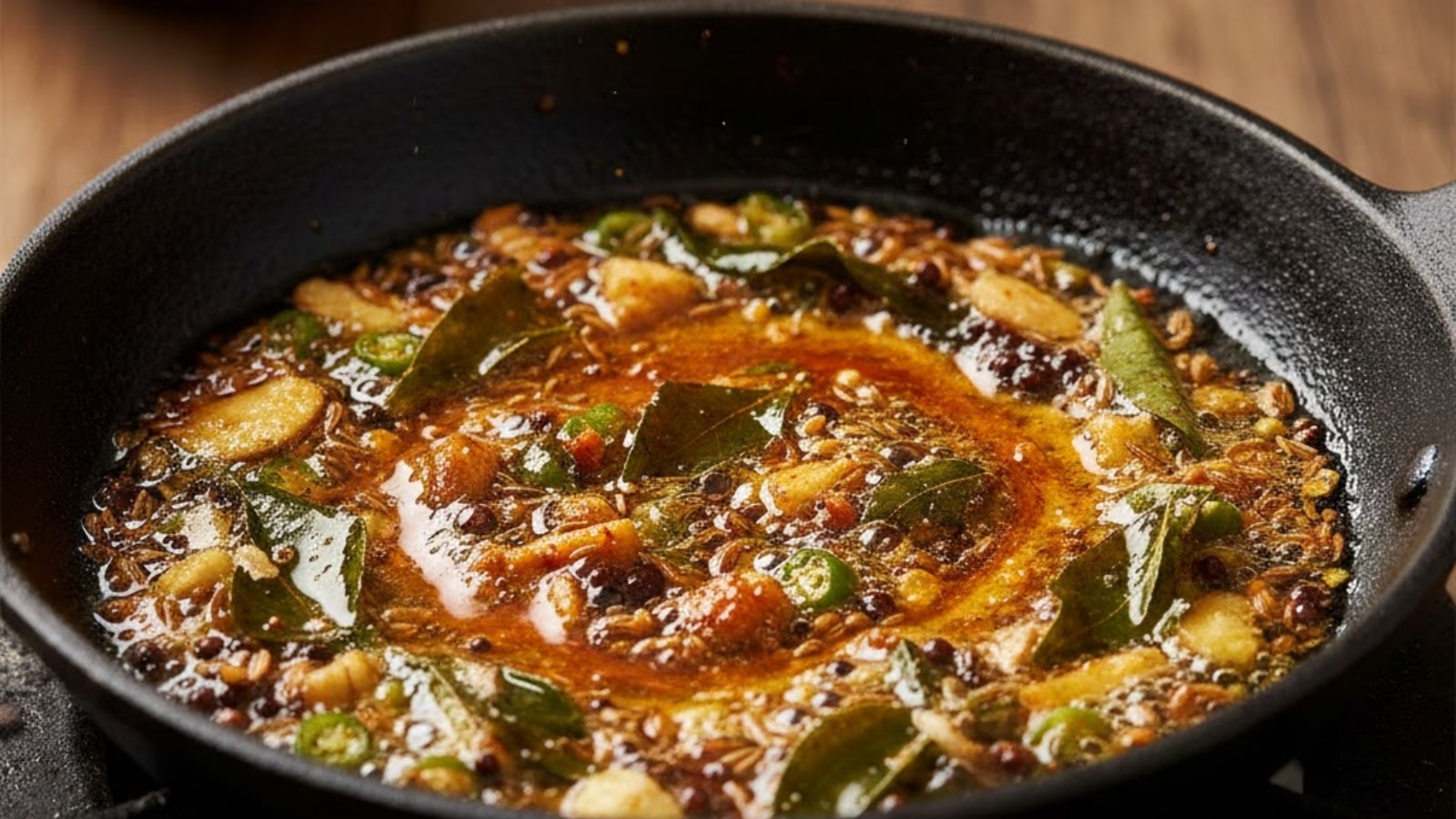
Cooking methods may seem like a small detail, but they can influence how nutrients behave in the body. An oncologist explains why the order in which you prepare a simple tadka can matter more than we think.Cancer healer Dr Tarang Krishna recently said in a video: “Agar aapko tamatar pyaaz ka essence lena hai, just sauté it without ghee. Put oil or ghee later.” His advice challenges the common habit of heating ghee first before adding onions and tomatoes.”
So, does this really make a difference? According to Dr Meghal Sanghavi, Oncosurgeon at Wockhardt Hospitals, Mumbai Central, the sequence can indeed influence nutrient preservation. “When onions and tomatoes are placed directly in a heated pan without excessive fat, they soften gradually and release their natural moisture. This reduces exposure to very high surface temperatures, which can degrade certain heat-sensitive nutrients,” he explains.

Why antioxidants need careful cooking
Tomatoes are rich in lycopene, while onions contain flavonoids like quercetin. “Lycopene becomes more bioavailable after cooking, but overheating or aggressive frying can damage beneficial compounds,” says Dr Sanghavi. “A controlled sauté first, followed by adding ghee or oil, can strike a better balance between nutrient preservation and absorption.”
Fat still plays an important role. “Lycopene is fat-soluble, so adding ghee later actually helps absorption in the intestine,” he adds. “The key is moderation and timing.”
The right way to sauté
While no single cooking method prevents cancer, dietary patterns matter. “Avoiding charring, deep frying, or prolonged high-heat cooking reduces the formation of potentially harmful compounds,” Dr Sanghavi notes. “Gentle sautéing, steaming, slow simmering — these methods support a more protective diet.”
For those with illnesses
For patients undergoing therapy, digestion can be sensitive. “Lightly cooked, less greasy meals are easier on the gut,” he says. “Warm, freshly prepared food with balanced spices supports recovery better than heavy, oily preparations.” He adds, “Small kitchen habits, repeated daily, shape long-term health more than we realise.”
DISCLAIMER: This article is based on information from the public domain and/or the experts we spoke to. Always consult your health practitioner before starting any routine
