

5 min readPuneUpdated: Mar 8, 2026 02:10 PM IST
Written by Neha Rathod

For much of the world, Iran is now seen through breaking news, diplomatic tensions, religious edicts and political conflict. Yet beneath these global narratives lies a quieter cultural force that has earned unparalleled respect on the international film stage — Iranian cinema.
For decades, Iranian filmmakers have crafted deeply human stories that have earned global acclaim for their moral depth, poetic realism and philosophical storytelling.
And in Pune, far from Tehran’s streets or Iran’s rugged villages, many of these cinematic stories quietly survive on reels of film.
At the National Film Archive of India (NFAI), one of the country’s most important repositories of cinema, rare Iranian films sit alongside Indian classics and international works. Established in 1964, the archive was created to preserve India’s cinematic heritage. Over the decades, it has also built a remarkable collection of world cinema, allowing researchers and students to study films that rarely find their way into commercial theatres.
At a time when headlines reduce nations to politics, Iranian cinema reminds us that stories remain the truest mirror of human experience. They reveal societies grappling with internal and external pressures, yet capable of producing art that speaks to the shared fabric of life beyond borders.
Even if these films rarely reach mainstream audiences, their presence is a reminder that great storytelling does not always announce itself loudly. Sometimes it unfolds quietly, waiting for an attentive eye and an open mind.
Story continues below this ad
“At present, our archive preserves six Iranian films in their original 35mm release print format,” says Jasbir Singh Baidwan, Manager at the National Film Archive of India.
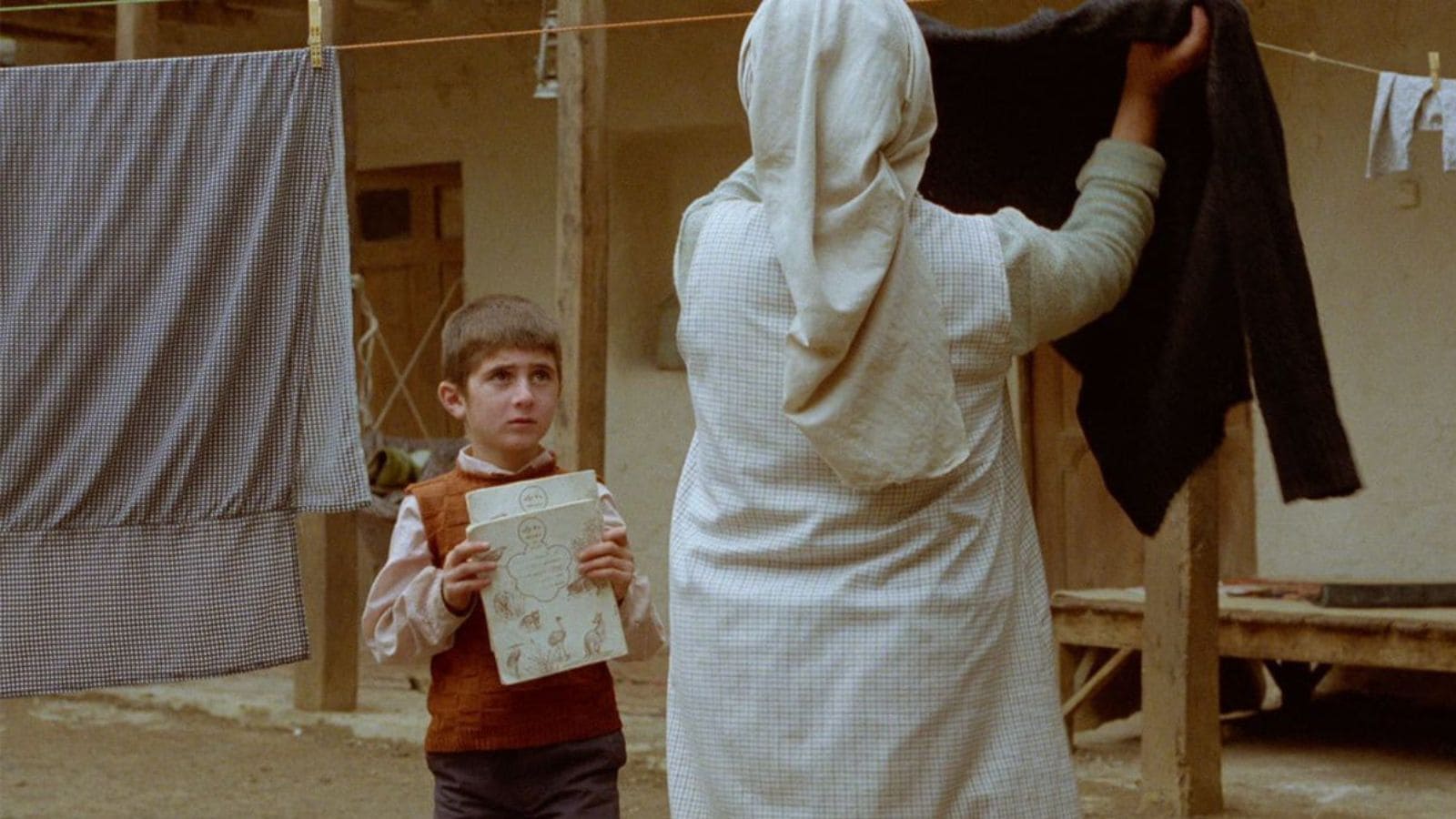
The collection includes Where Is the Friend’s House? (1987) and Close-Up (1990), both directed by Abbas Kiarostami; Sara (1993) by Dariush Mehrjui; Cease Feud (1992) by Naser Gholamrezai; and two films by Mohsen Makhmalbaf: Once Upon a Time, Cinema (1992) and The Actor (1993).
“These films are preserved in their original celluloid format, allowing viewers and researchers to experience them as they were originally intended to be seen,” Baidwan adds.
Media historian, researcher and film school professor Indranil Bhattacharya notes that Iranian cinema underwent a dramatic transformation after the Iranian Revolution.
Story continues below this ad
“Iranian cinema changed dramatically after the Islamic Revolution of 1979,” he says.
In the early years of the revolution, Ayatollah Ruhollah Khomeini initially opposed cinema, largely because many films of the time were perceived as sensational and morally questionable.
Turning point
“During the revolutionary period, several movie theatres across the country were destroyed by revolutionaries, and films that lacked a moral or social message were discouraged by the new regime,” Bhattacharya explains.
“However, a turning point came when Khomeini watched The Cow by Dariush Mehrjui, a film that portrayed the struggles of rural life with emotional depth and social realism. The experience reportedly demonstrated to him that cinema could serve as a powerful medium to reflect society and morality.”
Story continues below this ad
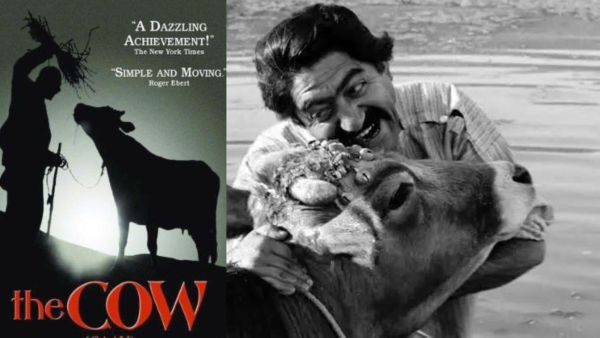 Dariush Mehrjui’s movie ‘The Cow’ showed the rural impoverishment that existed under the Shah of Persia. When Ayatollah Ruhollah Khomeini watched The Cow, the experience reportedly demonstrated to him that cinema could serve as a powerful medium to reflect society and morality.
Following this shift in perception, filmmakers in Iran gradually changed their approach to storytelling, Bhattacharya observes.
“Cinema began to find acceptance as long as it carried meaningful and socially responsible narratives. As a result, directors moved away from commercial formulas and developed a more reflective, non-mainstream style of filmmaking. Iranian cinema began to embrace minimalism, symbolism and stories rooted in everyday life.”
Many Iranian filmmakers relied on allegory and metaphor to explore social realities while navigating strict censorship. A distinctive feature of this cinema was the use of children as central characters.
Global recognition
“These films were not necessarily made for children,” notes Indranil Bhattacharya, “but used a child’s perspective to explore the complexities of society, morality and human relationships in subtle ways.” This storytelling approach eventually brought Iranian cinema global recognition at major international film festivals.
Story continues below this ad
Yet Iranian cinema has continued to function within strict political and cultural regulations. Several filmmakers have faced censorship, bans or imprisonment for work seen as politically sensitive. Directors such as Jafar Panahi and Mohammad Rasoulof have been jailed or prohibited from making films. Dr Bhattacharya reflects, “the very limitations imposed on filmmakers have contributed to the distinctive cinematic language that later earned Iranian cinema worldwide acclaim.”
Pune’s archives make some of these films accessible, quietly nurturing an appreciation for narratives that are human, reflective and universally resonant. Iranian films remind us that every society is made up of human choices, struggles and stories worth telling.
Neha Rathod is an intern with The Indian Express.
