

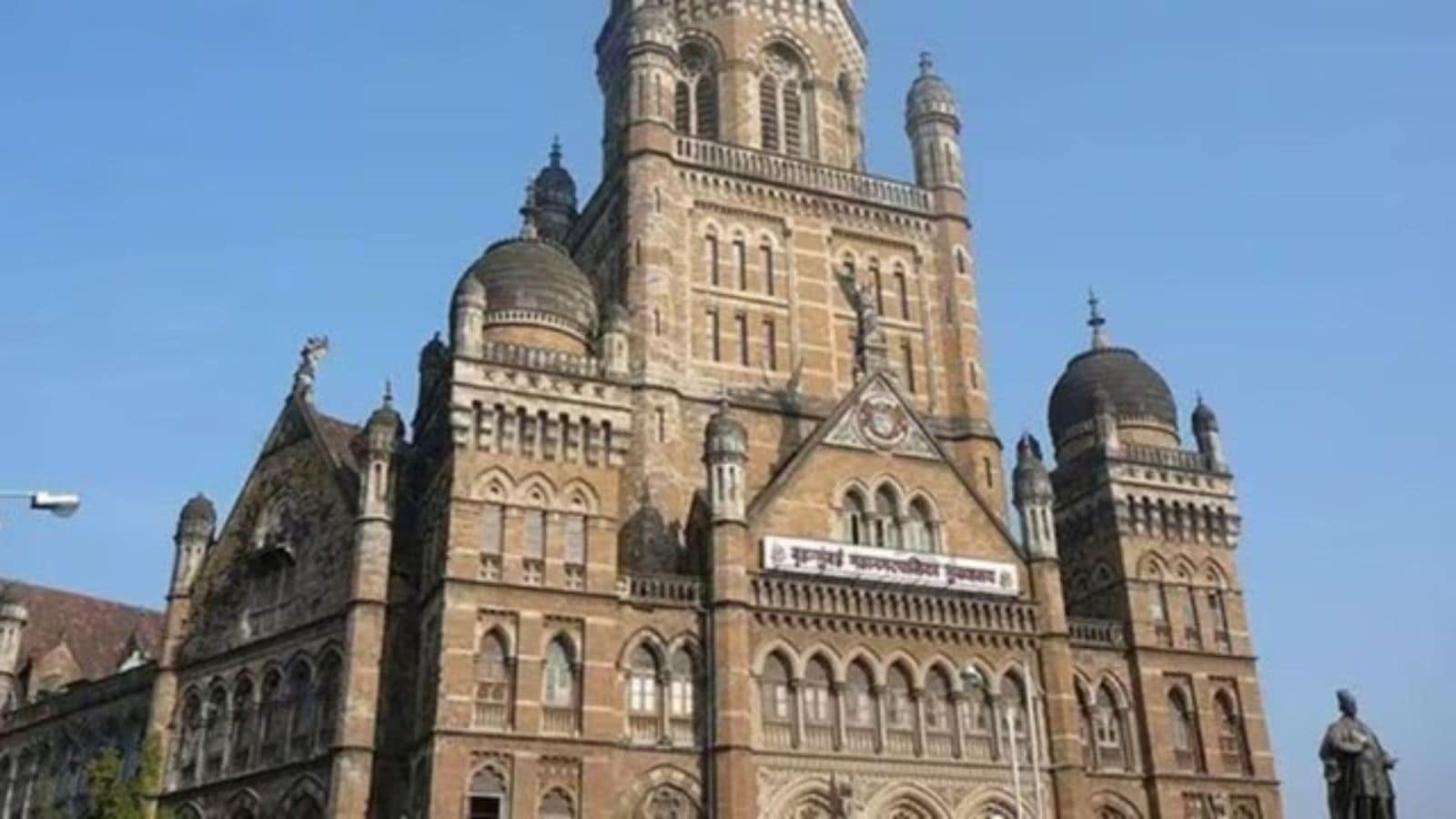
The Maharashtra government on Thursday announced reservations for the posts of mayors in 29 municipal corporations, following the category-wise rotational system prescribed under the Maharashtra Municipal Corporations (Reservation of Offices of Mayors) Rules, 2006. The announcement sparked controversy after opposition Shiv Sena (UBT) leaders objected to the Brihanmumbai Municipal Corporation being placed in the General category for the third consecutive term.
Alok Deshpande explains how the lottery was held and why some corporations saw their reservation categories repeated.
The system of reserving the mayor’s post flows from the 74th Constitutional Amendment, which gave constitutional status to urban local bodies and mandated reservation for Scheduled Castes (SCs), Scheduled Tribes (STs), and women in leadership positions. In Maharashtra, this is implemented through the Municipal Corporations Act, which extends reservation to OBCs as well.
To ensure fairness, the law requires that the mayor’s post rotate among these categories over successive terms. According to senior officials in the Urban Development Department (UDD), the rotation cycle for reservations is calculated from 2007, and past allocations are taken into account to minimise repetition.
How is the draw held?
The draw takes place in Mantralaya. This year, all 29 municipal corporations went to elections together, which further complicated the lottery process. Chits bearing the names of eligible corporations are placed in a circular drum, and the names are drawn category-wise.
How is the ST reservation decided?
ST reservation is based on the ST population in the corporation, as per the 2011 Census. Only corporations with at least three ST corporators are eligible. This automatically filters out corporations like BMC, which do not meet the requirement.
Nine corporations were eligible for the ST draw: Kalyan-Dombivli, Chandrapur, Jalgaon, Thane, Dhule, Nagpur, Nashik, Pimpri-Chinchwad, and Vasai-Virar. Four of these, Dhule, Nagpur, Nashik, and Pimpri-Chinchwad already had ST-reserved mayors in previous cycles and were excluded. From the remaining five, Kalyan-Dombivli was selected for ST reservation. Since there was only one ST-reserved post, the parallel women’s reservation did not apply.
How is the SC reservation decided?
Story continues below this ad
The same population criteria and minimum three-corporator requirement apply to SC reservation. Three corporations were eligible for SC reservation. Corporations that had SC-reserved mayors in previous cycles were excluded. From the remaining pool, Thane, Jalna, and Latur were selected through the draw.
Under the 50% women’s reservation rule, Jalna and Latur were reserved for SC (Women).
How is OBC reservation decided?
Since the 2011 Census did not enumerate caste, the government applied the statutory 27% reservation for OBCs, translating into eight mayoral posts out of 29.
Except for Jalna, Ichalkaranji, and Panvel, all other corporations already had OBC mayors in earlier cycles. Jalna was excluded as it was already reserved for SC (Women), while Ichalkaranji and Panvel, having never had OBC reservation, were automatically allotted.
For the remaining six OBC posts, the list of corporations was arranged alphabetically in Marathi. The first six Akola, Ahilyanagar, Ulhasnagar, Kolhapur, Chandrapur, and Jalgaon were allotted OBC reservation. A separate draw then determined which four of the eight OBC posts would be reserved for women.
How is the General category determined?
Story continues below this ad
After allocating ST, SC, and OBC reservations, the remaining 17 mayoral posts automatically fall under the General category. Of these, nine are reserved for women through a draw, in keeping with the 50% women’s reservation mandate.
Why did some corporations like BMC see repeat reservations?
Some corporations, including BMC, were allotted the same category for electing mayors as in the previous cycle, triggering controversy. Opposition parties, especially Shiv Sena, alleged the process was unfair.
The state government, however, stated that it had followed all norms. A senior UDD official explained: “Once the names of corporations to be allotted a reservation are drawn and announced, all remaining corporations automatically fall under the General category.”
