

3 min readFeb 9, 2026 08:02 AM IST
First published on: Feb 9, 2026 at 08:02 AM IST
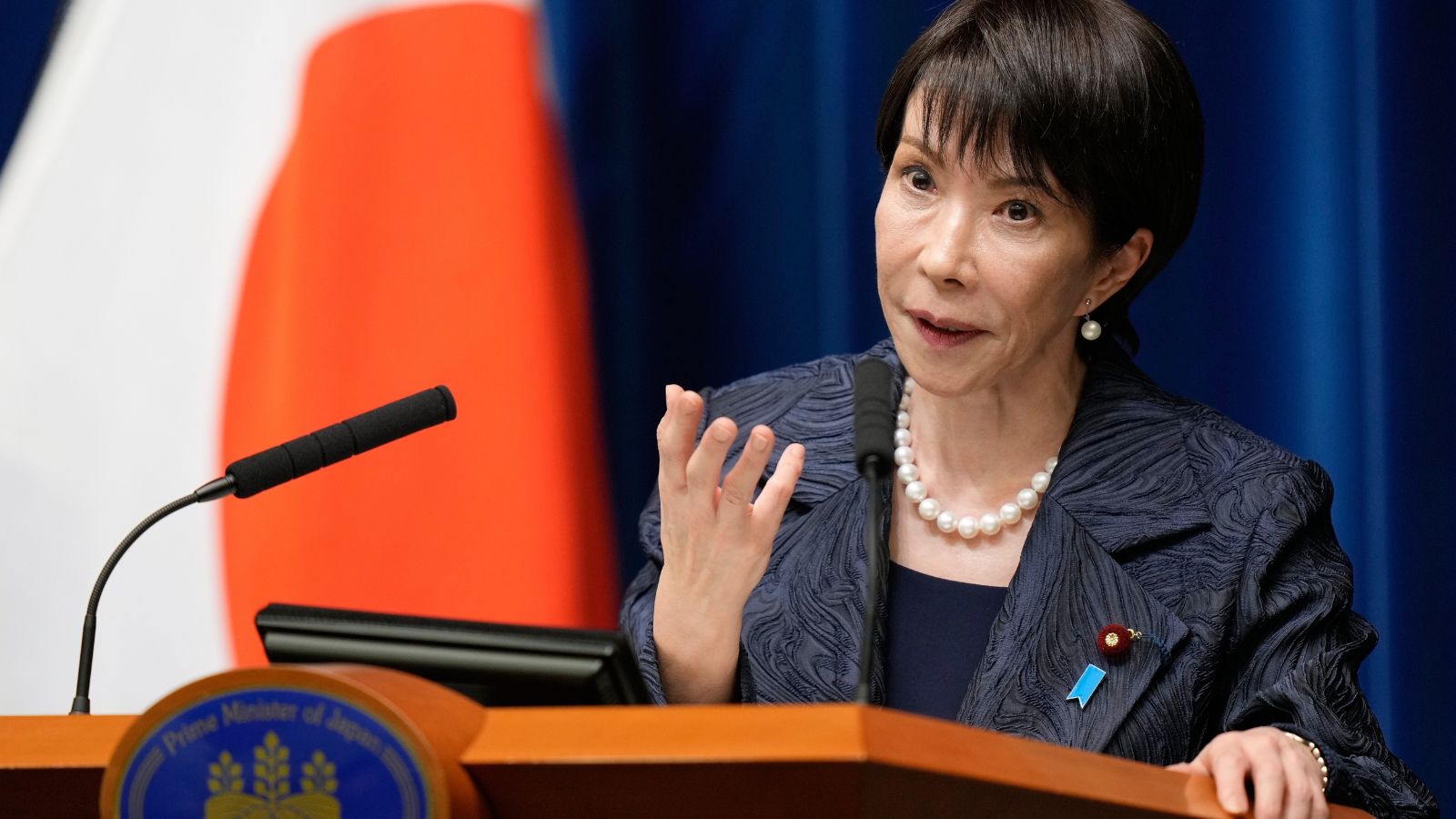
JAPAN HELD a high-stakes snap general election, triggered by Sanae Takaichi, the nation’s first female Prime Minister. Takaichi has successfully capitalised on her honeymoon period. Her LDP-Ishin coalition has secured a commanding majority, with some projections placing them near the 300-seat mark in the 465-member House of Representatives. If these numbers hold, she will have secured an absolute stable majority, making it significantly easier to pass legislation.
While the Liberal Democratic Party has been battered by scandals for years, Takaichi has successfully decoupled her personal brand from the party’s baggage. In a culture where leaders are often seen as indecisive bureaucrats, her “get things done” attitude and tough stance on China earned her approval ratings as high as 70 per cent in late 2025.

Takaichi called this snap election just three months after taking office, using the shortest campaign period since the end of World War II. By keeping the window small, she prevented the opposition from consolidating. While the opposition tried to form a “centrist reform alliance”, they remained deeply divided. The merger between the liberal Constitutional Democratic Party and the more conservative Komeito has confused traditional voters, failing to offer them an alternative vision.
Another factor that worked in Takaichi’s favour was the support of her friend across the ocean. In a rare move, Donald Trump publicly endorsed Takaichi, calling her “strong, powerful, and wise”. For many voters, this signals that she is the only leader capable of navigating a potentially volatile relationship with the US, seen as vital for Japan’s national security.
Her path forward, however, is far from smooth. Takaichi will inherit three massive, interlocking challenges. The first is a diplomatic crisis with China. Her pledge to formalise security ties with Taiwan has already triggered a psychological siege from Beijing. She must balance this hawkish stance with the economic reality that China remains Japan’s largest trading partner. Any further escalation could cripple Japan’s semiconductor and automotive supply chains.
The second challenge is the resilience of the Japanese economy. Takaichi’s economic plan is aggressive, but it faces stiff resistance from the global bond market. She has pledged to double defence spending to 2 per cent of GDP while simultaneously suspending the food sales tax. This has made investors and markets wary of the nation’s underlying macroeconomic fundamentals.
The third challenge is the alliance with Ishin. The Japan Innovation Party, or Ishin, is much more aggressive about deregulation and cutting government size. If Ishin sweeps Osaka, which it often does, it will enter coalition negotiations with massive leverage. It will likely demand that Takaichi follow through on radical deregulation and reduce the number of parliamentary seats in exchange for their support on her budget.
Takaichi’s win proves that her charisma and Sanae-mania worked. But now, she must prove she can govern a fractured, ageing society while navigating the most dangerous regional security environment since 1945.
The writer is research analyst, Indo-Pacific Studies Programme, Takshashila Institution
