

3 min readNew DelhiApr 5, 2026 10:48 AM IST
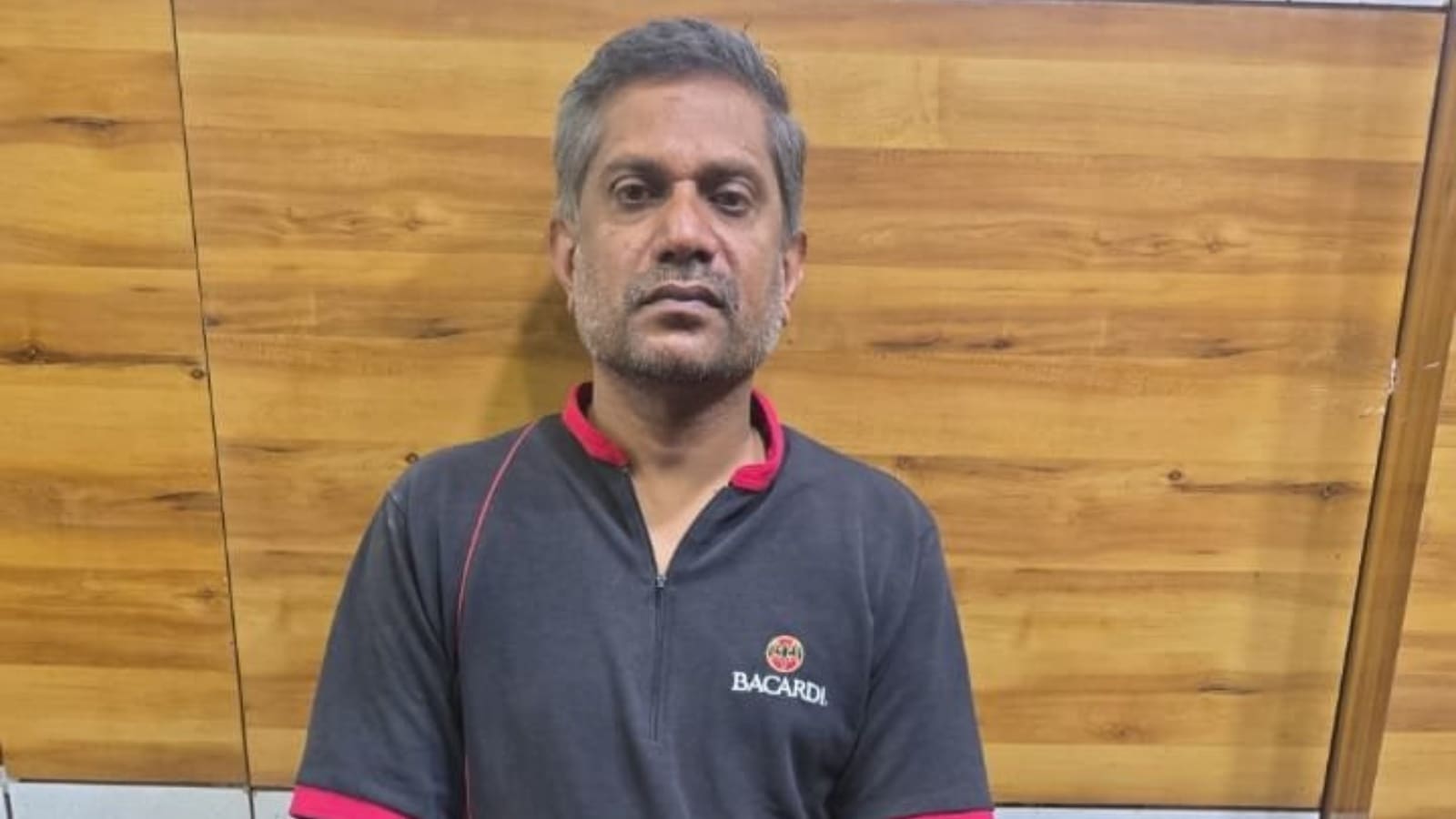
Shrinivas Luis, the 47-year-old man arrested on March 27 by the Delhi Police from his Mysuru home for allegedly sending hoax bomb threat emails to courts and other institutions in the Capital, had sent seven similar threats to the Supreme Court as well, The Indian
Express has learnt.
According to Delhi Police, during the analysis of Luis’ 1,500 bomb threat emails – sent to high courts and state police chiefs over the past year – it came to light that seven of the emails were sent to the Supreme Court and 50 to the Delhi High Court, while tagging the Delhi Police Commissioner’s office.

“The analysis of his emails have revealed that the content was almost identical. He had not sent the emails to any other institutions such as schools, colleges, or other government buildings. His main targets were the high courts, but he sent at least seven emails to the Supreme Court as well,” an officer said.
The Delhi Police have said that Luis, who once pursued law and allegedly harbours a deep resentment against the judicial system, primarily targeted courts. He would seek to disrupt court proceedings by sending emails claiming bombs were placed in the court premises, with a copy marked to the police to ensure the threat did not go unnoticed, they have added.
Luis, who was sent to six days of police custody by a court on March 30, was taken to his hometown for further probe by a Delhi Police team. “The statements of his mother, brother, and other relatives have been recorded. It has come to light that he was suffering from depression due to personal reasons,” an officer said.
Police said they have recovered one more laptop used to send the emails. So far, two laptops and three mobile phones have been seized from him, they added.
Luis has allegedly sent threat emails to several high courts, including in Delhi, Mumbai, Chhattisgarh, Madhya Pradesh, Karnataka, Gujarat and Chandigarh. He also sent similar emails to courts abroad, police said.
Story continues below this ad
“On some days, the Delhi High Court reportedly received such emails twice a day. In Delhi alone, he allegedly sent more than 50 fake emails to the High Court over months, tagging the Delhi Police Commissioner’s office,” said the officer.
A few months ago, after receiving repeated emails, the Delhi HC had directed the police to conduct a probe. The cyber cell of the New Delhi district police was assigned the investigation, which eventually led to Luis’ arrest from his house in Mysuru.
Delhi and many other metropolitan cities have witnessed over 100 bomb threat emails in the last two years. This also includes email threats to airports and various airlines across the country.
The main roadblock in the probe is that such emails are sent via VPN (Virtual Private Network), which is an encrypted connection over the Internet that helps senders hide their identity. “Luis had also used VPN in sending the majority of his emails. But he was tracked with the help of the emails he sent where he did not use the VPN,” said an officer.
