

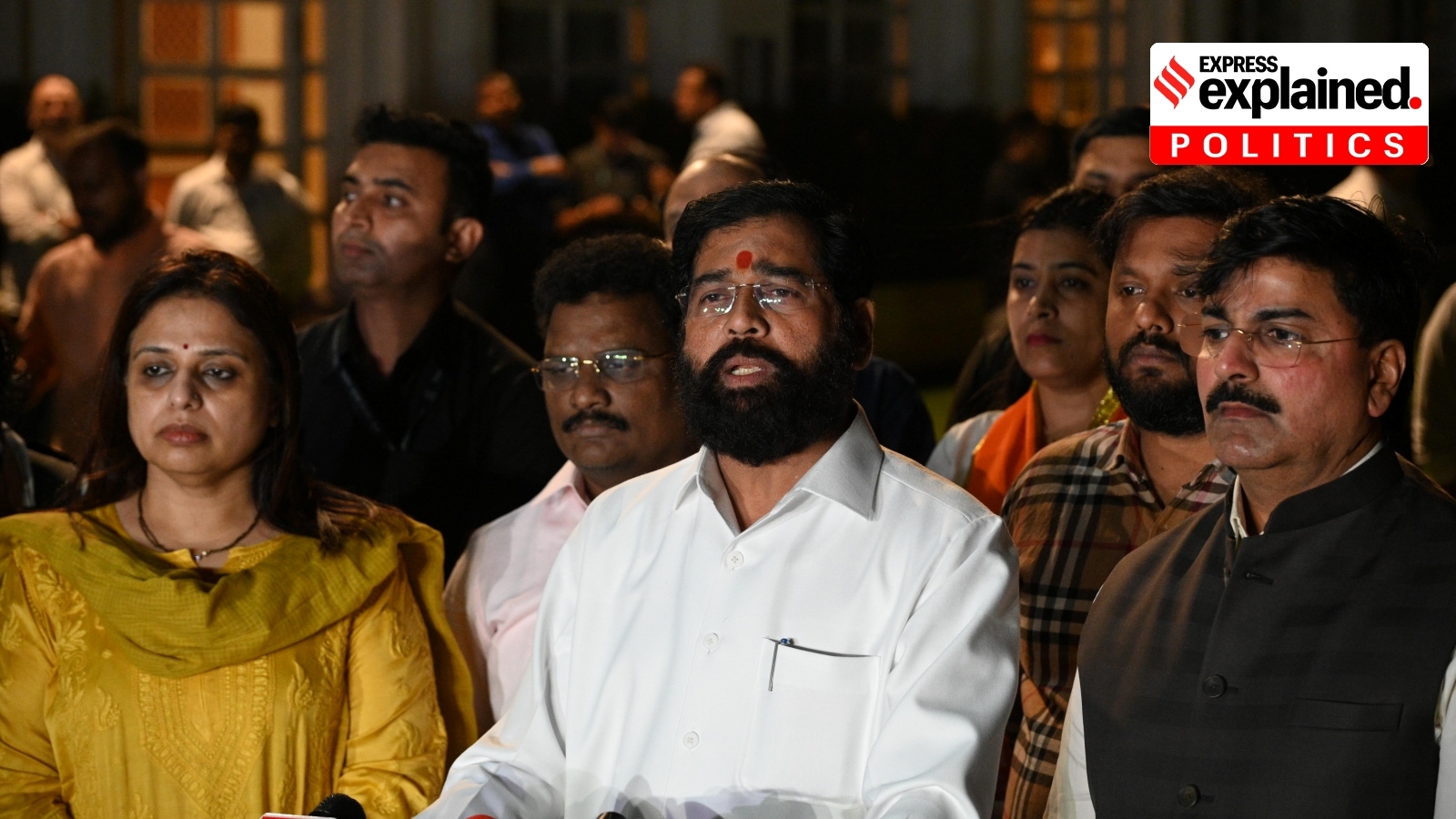
In the hours after the Brihanmumbai Municipal Corporation (BMC) election results were declared, Maharashtra Deputy Chief Minister Eknath Shinde moved the Shiv Sena’s 29 newly elected corporators to a hotel in Bandra, a political manoeuvre aimed at preventing defections and consolidating numbers ahead of the Mumbai civic body’s mayoral election. After four days of drama, these corparators checked out of hotel on Tuesday (January 20).
While the party described the move to the hotel as an organisational exercise, we explain why the Sena acted swiftly in herding these corporators together.

Why the Sena acted quickly
Publicly, the Shiv Sena said the corporators were staying together to attend an orientation session on how the BMC functions and to receive guidance from senior leaders including Shinde. Sources, however, said the leadership was alerted soon after the results that some newly elected corporators had been contacted for political discussions by rival camps.
This comes at a time when power-sharing talks within the BJP-Shiv Sena alliance are still inconclusive, particularly over the mayor’s post and the powerful Standing Committee, even though both sides downplayed tensions publicly.
With the Sena occupying a kingmaker position, the party leadership is looking to leverage its advantage not just in Mumbai but also in broader power-sharing arrangements. The hotel stay was seen as a pressure tactic. The uncertainty was further prolonged as Maharashtra Chief Minister Devendra Fadnavis is in Davos and political negotiations within the alliance are deferred.
Why the weekend mattered
The two days immediately following the declaration of results — Saturday and Sunday — were holidays during which municipal party groups cannot be formally registered with the authorities.
Story continues below this ad
Sources said this was a key reason why the Sena leadership decided to keep all corporators together over the weekend rather than allow them to disperse before the registration process could begin.
During this period, the party also completed internal formalities. Forms required for the registration of the municipal party group, including signatures of all elected corporators, were filled and collected. According to sources, this internal process was completed by Sunday night.
What is the legal timeline after the results?
Under Section 10 of the Mumbai Municipal Corporation Act, the State Election Commission must publish the names of all elected candidates in the Official Gazette. Only after this notification are candidates formally recognised as councillors.
Once recognised, councillors belonging to political parties are required to form and register municipal party groups within the corporation.
Story continues below this ad
This step is critical because Section 50S(2) of the Act mandates that the relative strength of recognised parties, registered parties or groups, and nominated members must be taken into account while nominating councillors to civic committees including the Standing Committee. These committees are formed after consultation with the Leader of the House, the Leader of the Opposition and leaders of registered party groups. This consultative process cannot formally begin until the Gazette notification is issued and party groups are registered.
What the anti-defection law says
Constitutional expert Anant Kalse said that while the anti-defection law is generally understood to apply once candidates are declared elected, its effective operation depends on formal recognition and group registration.
“The law applies after the election, but the process of recognition and group registration gives it practical shape,” Kalse said.
Once a municipal party group is registered with the Konkan divisional commissioner, a group leader who can call meetings and issue a whip is appointed. Until then, parties rely largely on political coordination rather than enforceable discipline.
What happens next?
Story continues below this ad
Sources said that once the Gazette notification is issued, and the Shiv Sena completes formal registration of its municipal party group, the need for the hotel stay may end as formal party discipline mechanisms will then come into effect.
The decision to move the 29 corporators to a hotel was thus a precautionary organisational step to safeguard against possible defections.

© The Indian Express Pvt Ltd
