

5 min readNew DelhiUpdated: Apr 9, 2026 01:08 PM IST
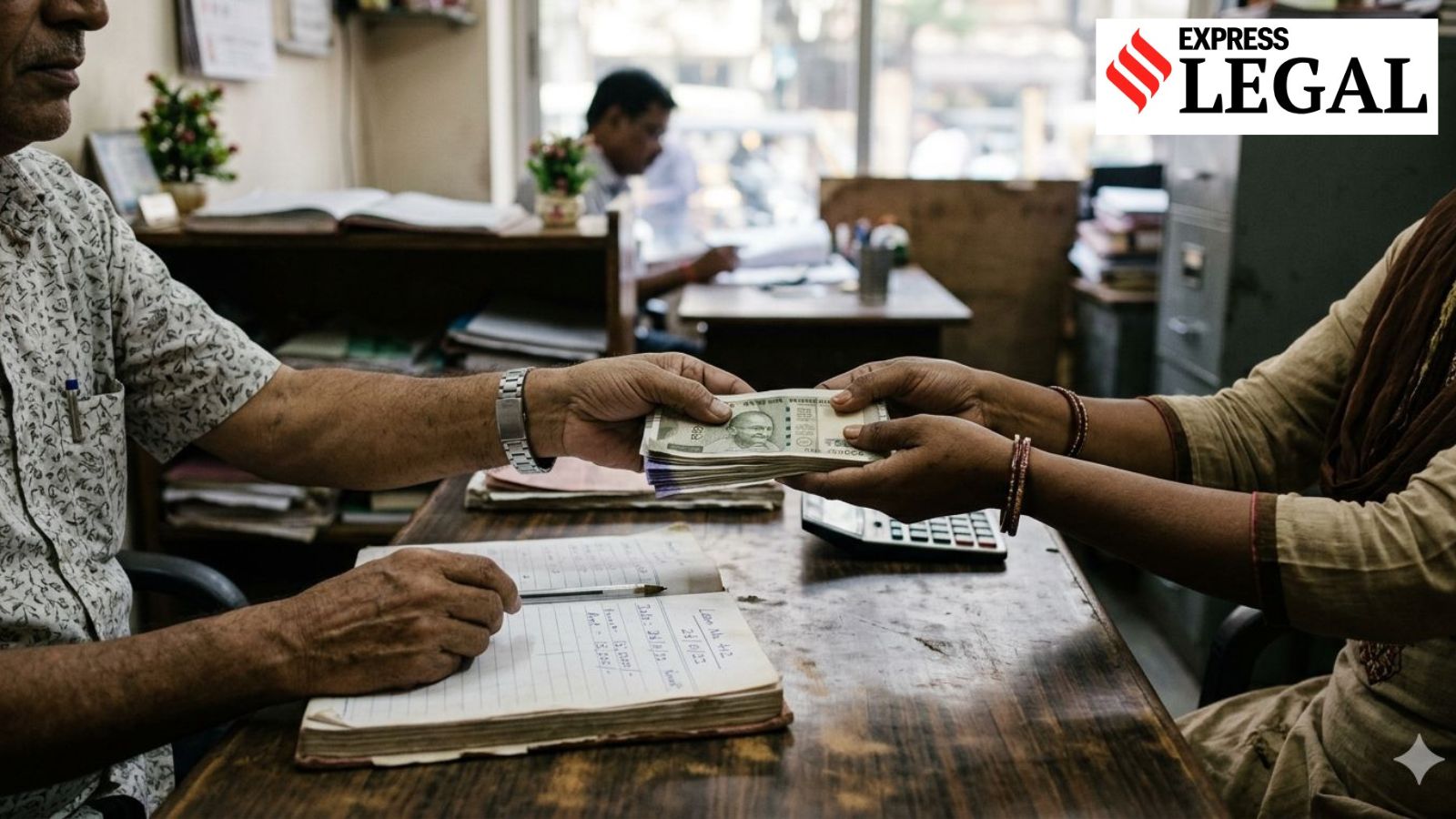
Supreme Court news: In a significant clarification with wide-ranging implications for financial disputes across the country, the Supreme Court has directed courts to proactively halt proceedings initiated by unlicensed private money lenders, emphasising that such cases should be “nipped in the bud” without waiting for fresh legislation from states or Union territories.
A bench of Justices Pankaj Mithal and Vipul M Pancholi was hearing a miscellaneous application seeking clarification of its earlier order, dated February 16, in a criminal special leave petition concerning unauthorised money lending.

“The Courts should ensure that the proceedings instituted by such private money lenders are nipped in bud, whether Civil or Criminal, unless the money lender at the threshold produces license for money lending or shows that money was not advanced by him at interest,” the Supreme Court said on April 6.
Proceedings must be halted at outset
In a strong directive to trial courts across the country, the Supreme Court made it clear that cases filed by unlicensed lenders should not be entertained unless compliance with licensing requirements is established at the very beginning.
This instruction applies to both civil and criminal proceedings, effectively placing an obligation on courts to scrutinise the legality of lending activity before allowing cases to proceed.
Legal experts say this observation is likely to reduce frivolous or coercive litigation initiated by informal lenders, particularly in rural and semi-urban areas where such practices are prevalent.
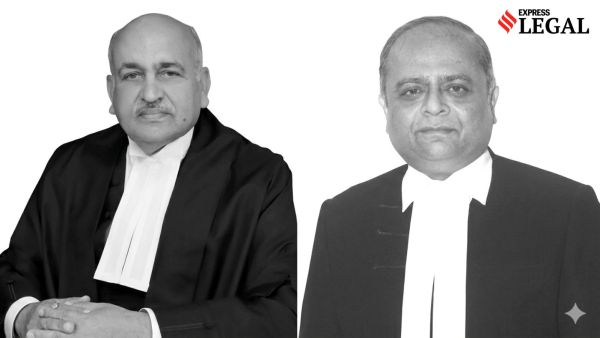 Justices Pankaj Mithal and Vipul M Pancholi rejected the argument that enforcement action must be deferred until the states or the Union territories enact new laws.
Background
The present order arose from a miscellaneous application seeking clarification of the Supreme Court’s February 16 ruling in a suo motu matter linked to unauthorised money lending.
Story continues below this ad
That earlier order had directed the closure of the suo motu proceedings in view of the Union government’s submissions, and expressed an expectation that the states and the Union territories would enact stricter laws to regulate money lending.
However, the ambiguity surrounding that direction led to confusion in lower courts, prompting the present clarification.
Clarification on earlier order
- The Supreme Court noted that its February 16 order, which called for “fair and proper legislation” by the states and the Union territories to curb unauthorised money lending, was being misinterpreted as implying that no existing legal framework governed such activities. This, the court said, was incorrect.
- The apex court observed that for unlicensed money lending, “there already exists a statutory bar in State Money Lending Law,” underlining that multiple safeguards are already embedded in existing legal provisions.
- The Supreme Court highlighted that these laws not only prohibit unlicensed lending, but also impose restrictions on interest rates, including the “Dam Dupat” rule, which bars lenders from recovering interest exceeding the principal amount.
- The applicant argued that the earlier direction closing suo motu proceedings, while expecting fresh legislation, was being misread to mean that no action could be taken under existing laws.
- The bench examined whether courts must await new laws or proceed under current state money-lending statutes, ultimately clarifying that existing legal provisions already prohibit unlicensed money lending and allow courts and authorities to act without waiting for further legislation.
Existing law already provides safeguards
The Supreme Court underscored that state money-lending laws already contain multiple deterrents against illegal lending practices. These include a statutory bar on enforceability of loans advanced by unlicensed lenders, criminal liability for engaging in unauthorised money lending, and restrictions on charging excessive interest.
Importantly, the Supreme Court rejected the argument that enforcement action must be deferred until the states or the Union territories enact new laws. “Commencement of investigation of any offence… shall also not await the legislation by the respective States/Union Territories,” the court said, making it clear that enforcement must continue under the current legal framework.
Story continues below this ad
This clarification is expected to accelerate ongoing investigations and prosecutions involving illegal money lending.
Relief for borrowers, litigants
The ruling is likely to provide relief to borrowers who often face harassment and litigation from unlicensed lenders seeking to recover money through informal or coercive means.
By placing the burden on lenders to demonstrate legal compliance at the outset, the Supreme Court has effectively strengthened the position of borrowers in disputes involving informal credit arrangements.
The bench also noted that individuals who believe that courts have failed to follow this directive remain free to pursue appellate or corrective remedies. “If the intervenor apprehends that such a course is not followed… all correctional or appellate remedies in law are always open,” the apex court said.

© IE Online Media Services Pvt Ltd
