

5 min readChennaiUpdated: Feb 27, 2026 12:32 AM IST
The stands swayed, the music blared, fireworks wormed into the sky and India regained their batting supremacy. The dismembering of Zimbabwe’s bowlers, even though listless and let down by their fielders, was a response stoked in fire after the Ahmedabad capitulation. The team still has flaws, but on nights when everything syncs, India’s batting could be a fearsome proposition. The exhilaration of Chepauk cannot fully mask the deep-running torments that stronger teams could exploit as the tournament heads into the final lap.
As soon as the total shot over 200 and stopped at 256 for 4, the result was a foregone conclusion. India meandered to victory, by 72 runs, without too many hassles or breaking sweat or stretching wits, even though the bowling performance was not as frightening as the batting.

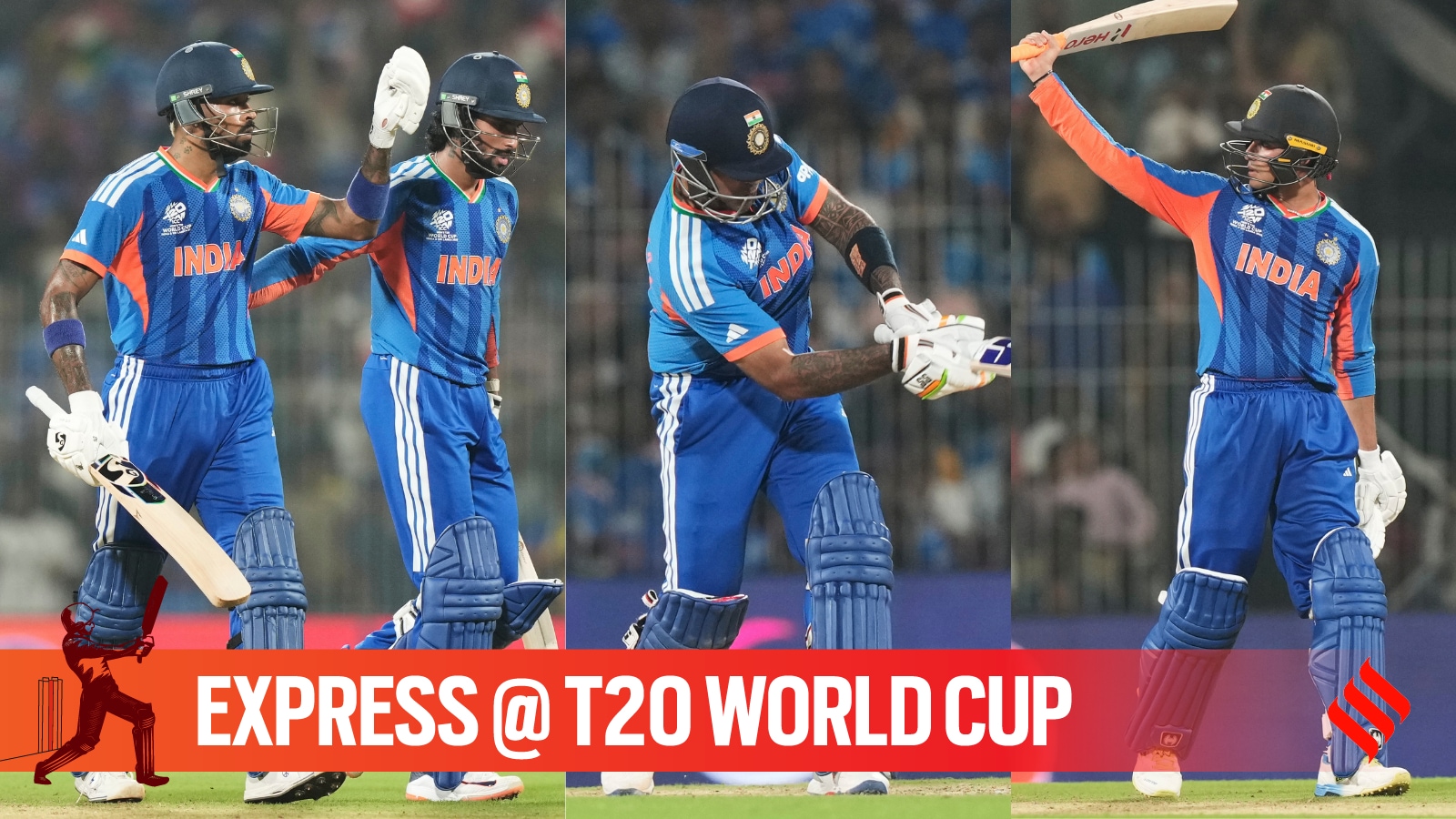
The onslaught of boundaries was relentless in piling the second-highest total in the history of the tournament. From the second-ball six-on-the-rise that Sanju Samson hit and the restrained aggression that Abhishek Sharma displayed to arrest his drought, to the blinding cameos of Suryakumar Yadav, Tilak Varma and Ishan Kishan, India illustrated the qualities that induced fear in bowlers, made them tournament favourites and instilled an impermeable halo around them. Weave the backdrop of cynicism, the doomsday fears of a premature exit, suspicion on their batting and the pressure of defending a title at home, and the performance could be the tonic for revival.
Even though it was Zimbabwe, who would curse their decision to bowl, misinterpreting the moisture for seam-friendly conditions, the pressure was so suffocating that a team could have tried too hard and over-complicated their plight. But India bounded out with a crystal-clear plan. They were hunting for a statement victory, rather than a humdrum one.
AS IT HAPPENED | INDIA VS ZIMBABWE T20 WORLD CUP 2026 SUPER 8 HIGHLIGHTS
The numbers were bewildering. India struck 17 sixes and fours apiece. The lowest strike rate was Ishan’s 158.33; three of them racked up a hitting rate of 200. Some of the sixes were astounding. Like Surya’s straight swipe off Tinotenda Maposa. Eight overs brought 15-plus runs, which included three beyond 20. Apart from two overs soon after the Powerplay, they weren’t bothered about exercising caution after the early blitz.
Some caveats should be considered. The surface was designed in their dreams, the ideal bounce and pace facilitated uncluttered stroke-making, unlike the sluggish ones they had stuttered on earlier in this tournament. The bowlers were benign, frozen by the occasion, erratic and listless, and let down by their fielders with greasy fingers. But India’s batsmen exuded a sense of ruthlessness that was required to turn the tide.
Story continues below this ad
Return to form
Abhishek’s redemption was the most pleasing sight of all. By his supersonic standards, it was a restrained knock. The 26-ball half-century is his second-slowest in this format. Some of the fours were not sweet-spotted. But in between tapped singles and nudged two, he unleashed fearsome strokes that sent sinister threats to bowlers in the tournament. Unlike in the previous games, his footwork was definite. He was barely tied to the crease. The hands moved smoothly, carrying out the orders of his mind. It was not a six that captured his renaissance, but a smooth four over the head of the cover fielder. Maposa’s ball was wide and full and Abhishek’s front foot glided out and his hands followed to loft the ball over the fielder. It brought a smile to his face; his partner Samson nodded appreciatively.
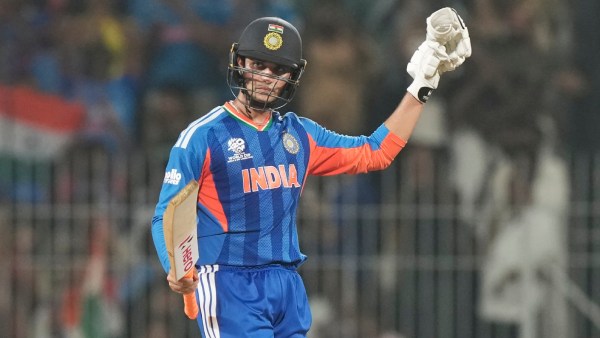 Indian opener Abhishek Sharma scored his maiden T20 World Cup fifty in Super 8 game vs Zimbabwe. (PHOTO: AP)
In a drought of runs, he cursed his dismissal, a Maposa slower ball that stopped at him. The bowlers were spared further embarrassment. Or so they thought.
But Abhishek was just one executioner of India’s broad plan to dismantle Zimbabwe. The men in form, Ishan and Suryakumar, sustained the furious tempo with strokes that dazzled the crowd and shattered the bowlers. None hung around at the start. Surya swept the first ball he faced, off Sikander Raza, for a four. Tilak slapped the first ball through backward point. Hardik Pandya deposited the third ball over long-on. As many as 84 came off 31 balls in a frenetic endgame that spiked both adrenaline and dopamine.
A fire raged in Tilak. His strike rate has been a recurring theme in press conferences. Until this game, it was merely 118.88. But on Thursday, he emphatically demonstrated his often-doubted skills to raise the tempo. With a supreme awareness of the field-placement, he raised his runs through low-risk, high-percentage shots. He thumped Brad Evans over extra cover for a six, which could arguably be the stroke of the day.
Story continues below this ad
Just like that, India’s ideal batting order too fell into place. Samson and Abhishek opening broke the southpaw predictability; Tilak dropping down the order offers both lower-order firepower and stability. There is clarity and vision; there is an aura and fear. And when it all blends, sixes soar, music blares and the crowd sways, as though in a trance.
