

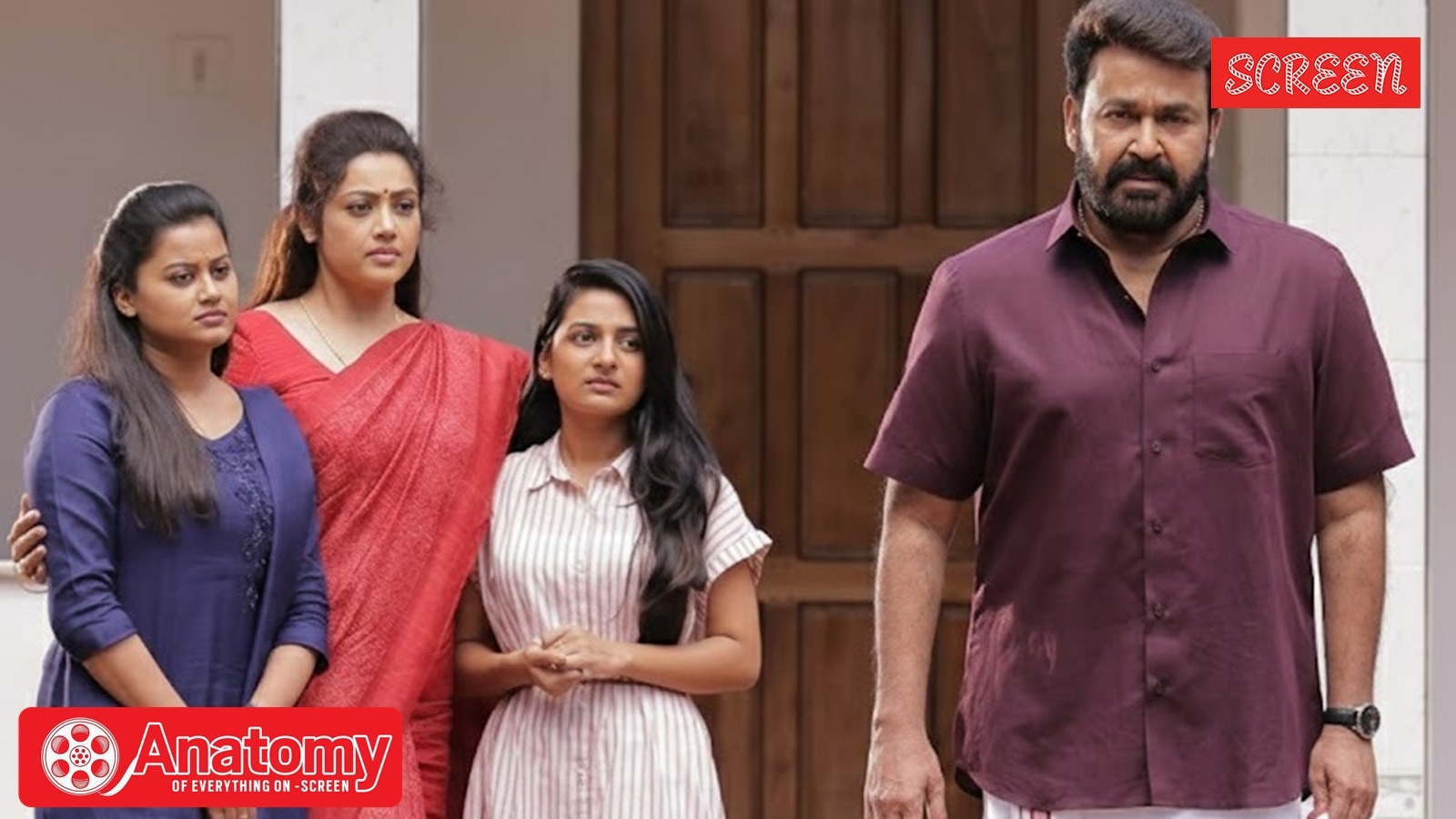
When sitting down to watch Drishyam 2 during the wee hours of February 19, 2021, I was almost certain that it would be a disappointing affair. I mean, Drishyam (2013) was perfect the way it was; well-rounded and complete, despite its flaws. Sure, its ending had ample room for a follow-up, but did we actually need one, particularly since even a slight dip in quality could stain the first film’s image too? Adding to the worry was that director Jeethu Joseph hadn’t delivered a single worthwhile movie since Life of Josutty, and his subsequent films — Oozham, Aadhi, Mr & Ms Rowdy, The Body, and Thambi — were all extremely disappointing. Worse still, even Mohanlal was dropping stinkers one after the other: Neerali, Drama, Odiyan, Ittymaani: Made in China, Kaappaan, and Big Brother, with the only exception being Lucifer.
ARTICLE CONTINUES BELOW VIDEO
But Drishyam 2 had me hooked from the outset, and its biggest draw was its opening, where Jeethu shattered the belief that Georgekutty (Mohanlal) had committed the “perfect crime.” It also gave us an early idea of how the filmmaker had treated the crime thriller this time, which was significantly different from his style in the first instalment. While Drishyam’s ending had us believing that we had seen everything and that we knew everything — things even Georgekutty’s wife Rani (Meena), and their children Anju (Ansiba Hassan) and Anu (Esther Anil) didn’t know — Drishyam 2 began by shocking us into realising that we may not have seen everything, and nor has Georgekutty.

Only in SCREEN | Why everybody loves a good chaos? From Priyadarshan and LJP’s movies to Pennum Porattum, unpacking the ‘ridiculous’ charm of chaotic comedy
At that moment, Jeethu instilled in our minds the feeling that Georgekutty can — not will, but can — get caught. Thereon, Drishyam 2’s script was meticulously crafted, playing on our feelings towards the central family and our knowledge of what Georgekutty did and where he hid Varun Prabhakar’s (Roshan Basheer) body.
Having previously written extensively about Drishyam’s problematic core and how Jeethu’s stories predominantly carry a patriarchal mindset and gaze — frequently using crimes against women as mere narrative devices and then reducing them to just “victims” — I won’t delve into that again here. Instead, this article will mainly examine Drishyam 2’s script and how Jeethu stayed one step ahead of the audience with his clever writing.
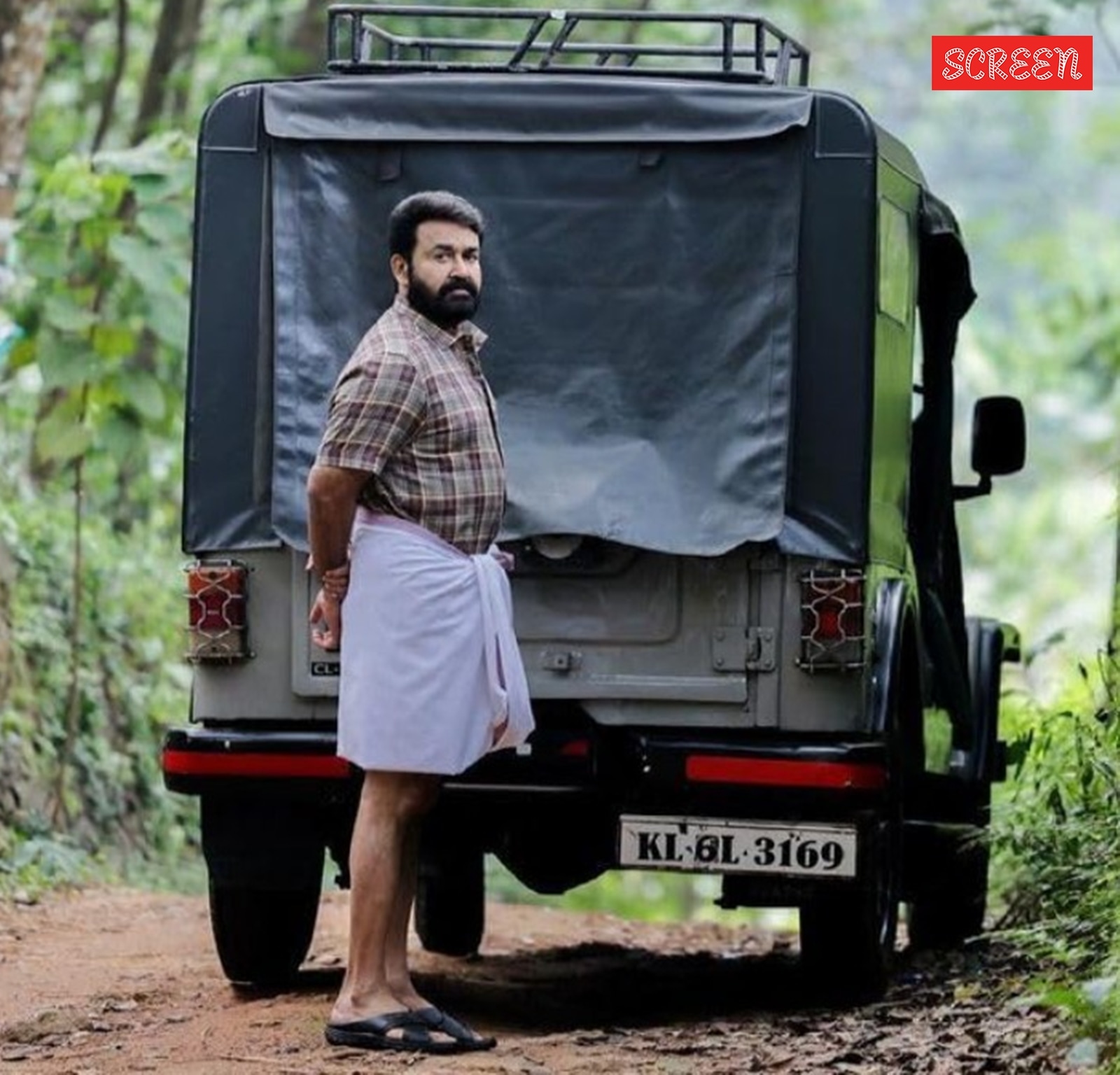 Drishyam 2’s biggest draw was its opening. (Credit: IMDb)
Jeethu’s sharpness lay in making the audience believe that they were the smartest in the room, having seen both Georgekutty’s schemes and the police’s strategies. By masterfully switching between the happenings in the family’s life and IG Thomas Bastin’s (Murali Gopy) efforts to entrap them, Jeethu gave us the impression that we had seen the complete picture and that there was nothing we didn’t know.
But, as it’s said in Now You See Me (2013), “The closer you look, the less you see.” This was one major way in which Jeethu broke the sequel curse. He employed filmmaking techniques in his script to trick us into believing that we didn’t have to think beyond, as we were omnipresent, and this notion eclipsed our vision. What we didn’t realise was that the narrative buildup and treatment of Drishyam 2 were starkly different from those of the first instalment.
Story continues below this ad
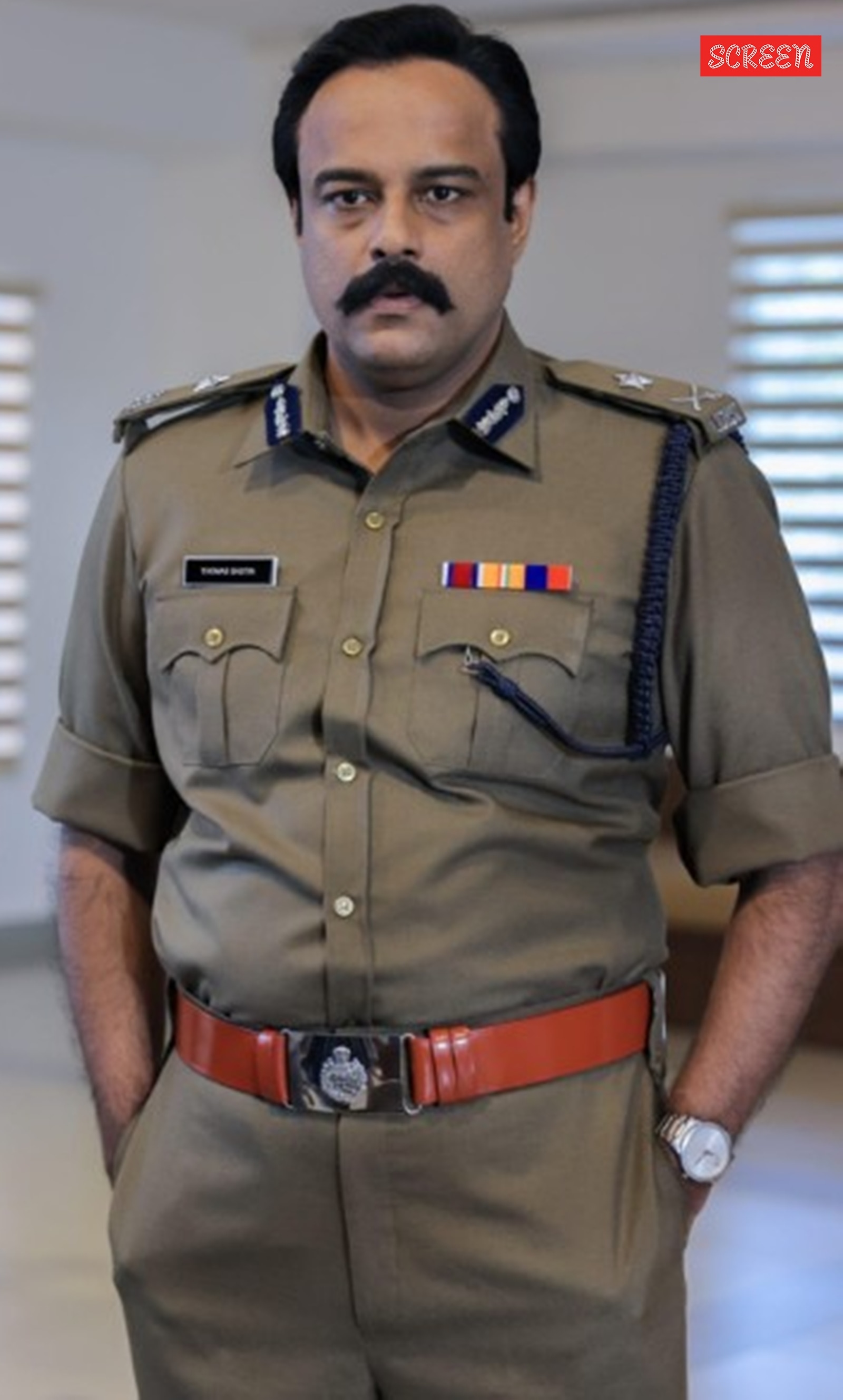 Murali Gopy in Drishyam 2. (Credit: IMDb)
In Drishyam, we were with the family most of the time, almost like an invisible fifth member. The movie rarely took us away or placed us next to others, particularly IG Geetha Prabhakar (Asha Sharath) and her team. Aside from a few moments when the police planned their next move, which gave us an idea of how the movie would proceed, and Geetha finally cracking how Georgekutty created the “August 2 and 3” story, we saw only the family’s actions, their discussions, their tension, and their fear. This is all that Jeethu wanted us to see, so that our sympathy would rest solely with the family. The only thing we didn’t see was Georgekutty exhuming Varun’s body and burying it elsewhere — the only “twist.”
But in Drishyam 2, Jeethu adopted a new style, frequently intercutting the family’s story with Thomas’s and the police’s efforts and strategies. Without making us feel that we were seeing less of Georgekutty’s story, the writer-director kept feeding us the cops’ track too. For this, Jeethu introduced drama into the family’s life through Anu’s teenage rebellion, Anju’s struggles with PTSD, Rani’s sorrow over Georgekutty growing distant, the Saritha-Sabu couple and their story, and Georgekutty’s film aspirations. So, instead of making the family’s track nail-biting, which would have made the audience pay extra attention to the happenings, Jeethu packed it with drama, making us think with our hearts rather than our brains.
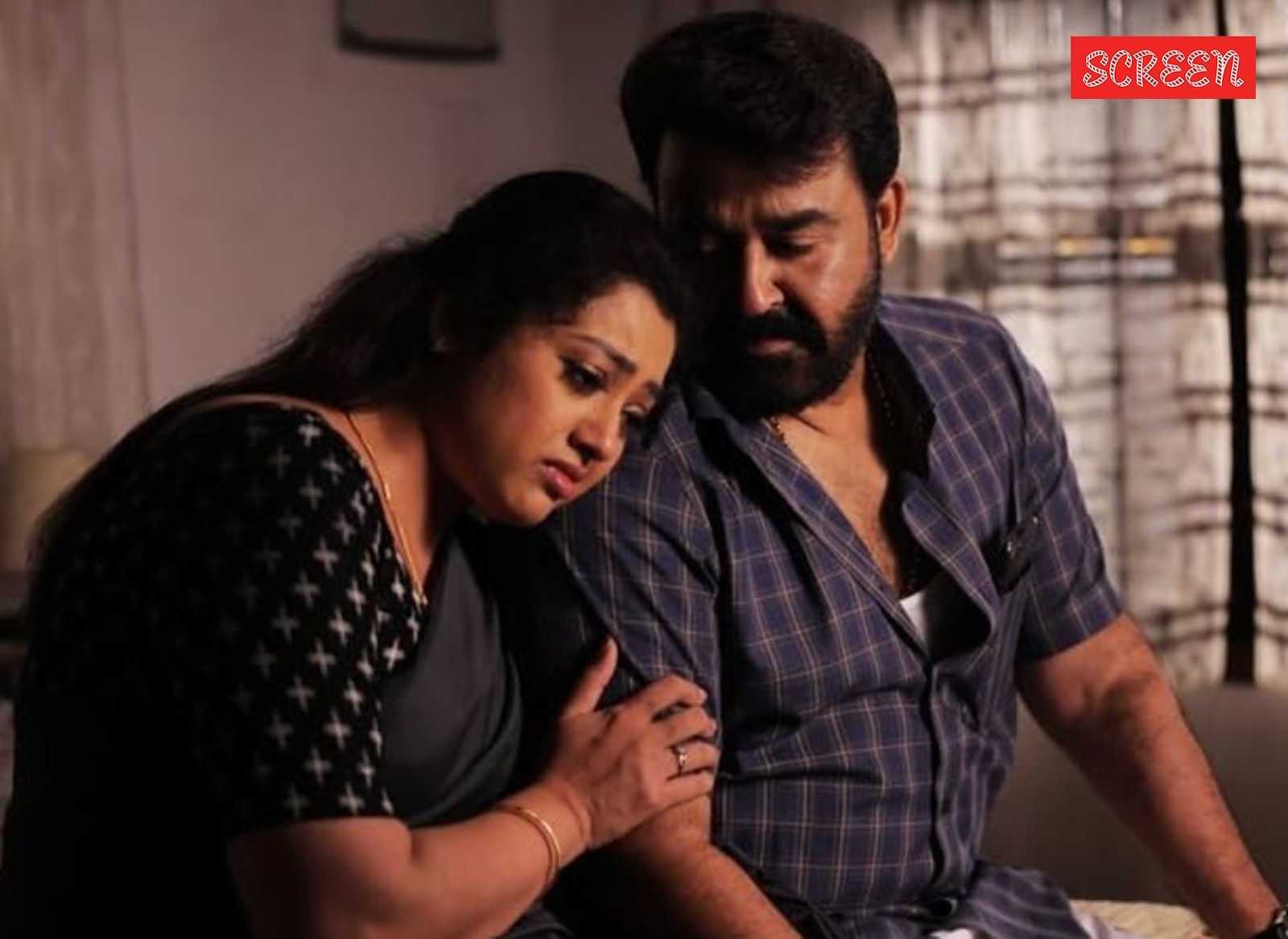 Mohanlal and Meena play the lead roles in Drishyam 2. (Credit: IMDb)
Yet Jeethu didn’t consider the audience inferior and knew we would search for clues and discrepancies, thereby solving the suspense before the actual reveal. Instead, he led us to believe there was no more suspense ahead. He ensured that we didn’t realise we weren’t being shown everything. Even though we saw Pathrose (Jayashankar) and Rajan (Dinesh Prabhakar) in between, we were so busy wondering how the police would find Varun’s corpse from the station that we didn’t imagine that these people in front of us were Georgekutty’s keys to a potential Plan B and that this was foreshadowing.
Jeethu also ensured that the family was portrayed as having somewhat overcome the traumas of past events. The movie opened by showing them as well-off, with Georgekutty even “wasting” lakhs on his movie investments. The writer-director also used Georgekutty’s self-confidence, which we found charming and impressive in Part 1, to un/knowingly subvert our attitude towards him in Part 2, and he achieved this through dialogues.
Story continues below this ad
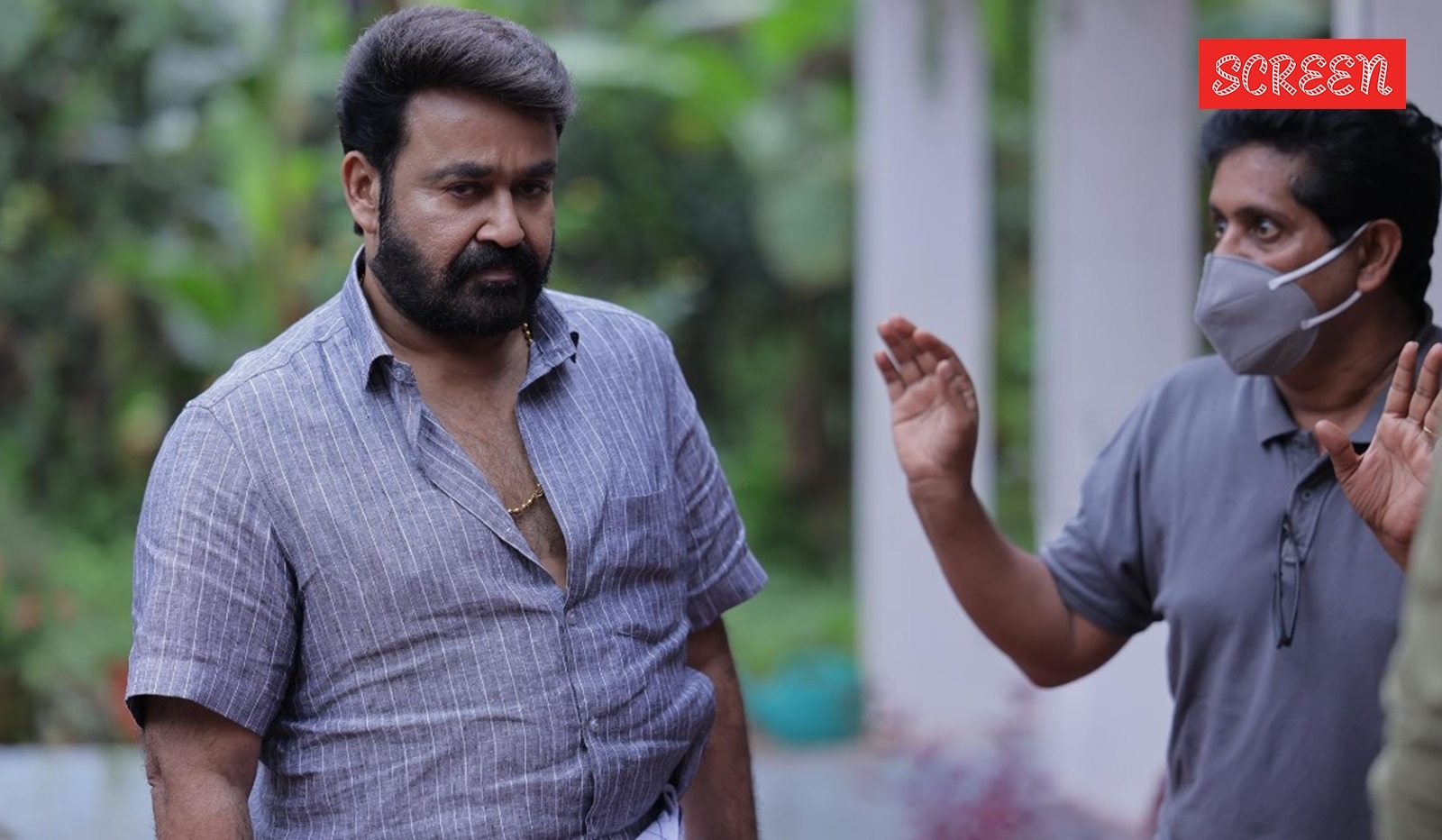 Mohanlal and director Jeethu Joseph on the sets of Drishyam 2. (Credit: IMDb)
“You are seeing my self-confidence as my arrogance,” he says early on to Rani. Subconsciously, such moments contributed to creating a different image of Georgekutty in our heads. Thus, we also kind of became the natives of Rajakkad, no longer blindly supporting the family and slightly envious of their comfortable life. Through Georgekutty’s actions, Jeethu made us root for his downfall on a subconscious level, despite the fact that Mohanlal is the Malayalees’ beloved hero.
Also, in Drishyam, Jeethu garnered support for the family by highlighting the cops’ inherent superiority complex and cunningness. “He is just a villager who hasn’t even completed high school,” Geetha says at one point, looking down on Georgekutty. However, in Drishyam 2, the police were portrayed as ‘fallen warriors’ who had accepted defeat yet continued tirelessly to try to wash away the stain caused by the Varun case, while also striving to ensure that Geetha and Prabhakar received justice.
Watch Drishyam 2 trailer here:
With our limited knowledge about things — which we never realised until the end — when the police finally found the body, we assumed that Georgekutty was done; that the cat out of the bag. We thought that there was nothing he could do anymore because the skeleton was finally in police custody, and it was only a matter of time for the DNA test results to come, which would prove the family’s guilt.
But here, Jeethu introduced certain aspects of forensics we weren’t familiar with, and shattered our belief that we, along with the police, had cracked the case and caught Georgekutty. He also used Vinayachandran (Saikumar), who had been developing a script for Georgekutty’s movie, to shock us further. It was only then that we, too, realised what Georgekutty (and Jeethu) had been cooking all along.
Story continues below this ad
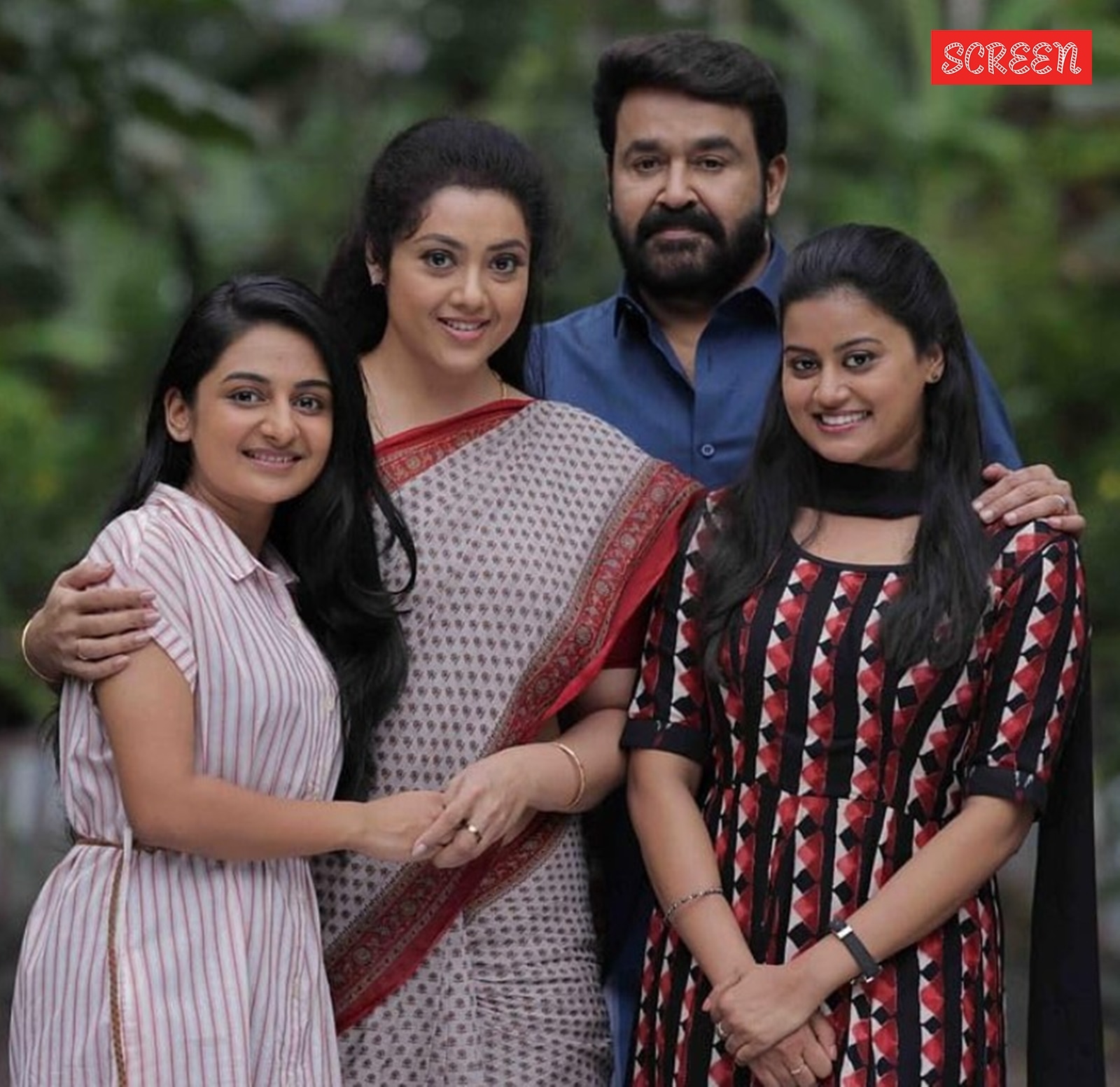 Mohanlal, Meena, Ansiba Hassan, and Esther Anil will reprise their respective roles in Drishyam 3. (Credit: IMDb)
Instead of relying on twists, Jeethu extensively utilised misdirection and selective framing at the writing level itself.Despite Drishyam 2 being a technically mediocre affair, with the only commendable aspect being its music by Anil Johnson, Jeethu impressed the audience again with his screenwriting. But now that we have seen so much, it remains to be seen how he will outsmart us in Drishyam 3, set for release on April 2, 2026.
Cinema cannot exist in a vacuum; it’s all about the discussions that follow. In theCinema Anatomycolumn, we delve into the diverse layers and dimensions of films, aiming to uncover deeper meanings and foster continuous discourses.
